Data Report · July 3, 2026
Padel in the USA: Growth Statistics 2026
Every reliable number on American padel in one place: how many people play, how many courts exist, where they are, and original demand analysis not published anywhere else.
Padel Learning Center
These guides explain the specs and setup choices players actually feel on court: shape, balance, foam, weight, carbon, sweet spot, spin surface, shoes, balls, bags, grips, sweaty hands, wide feet, sandy courts, ball speed, bag sizes, grip comfort, beginner mistakes, and arm comfort.
Start Here
Use these first if you are still translating marketing specs into match decisions.
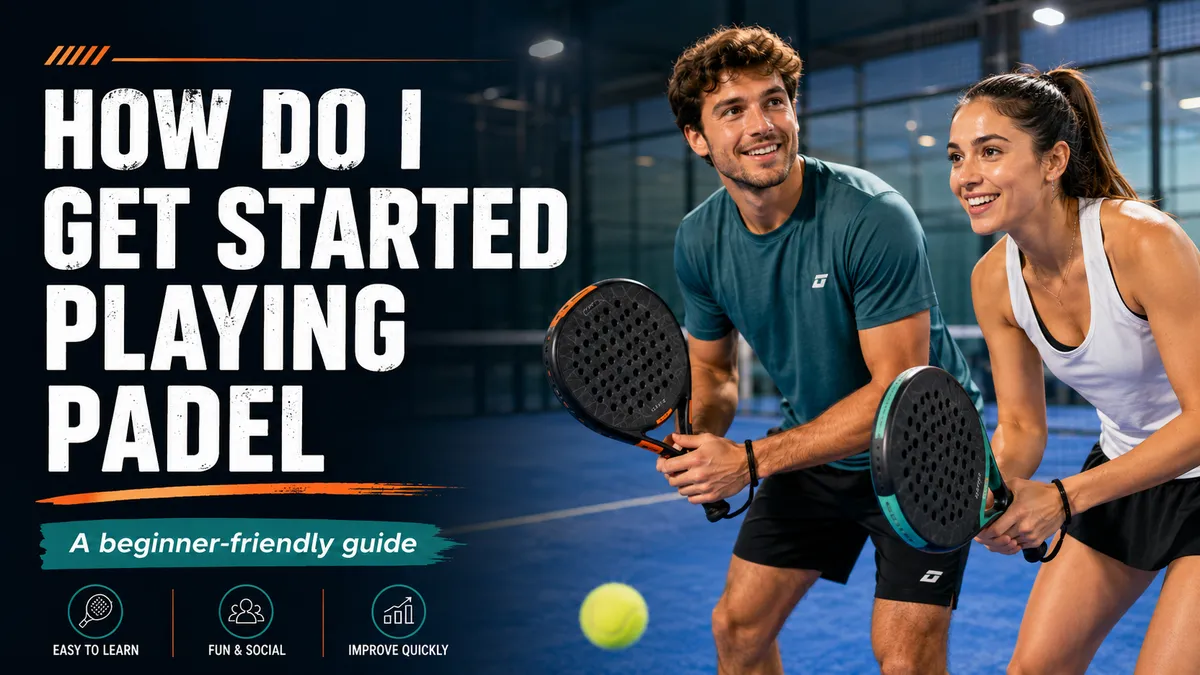 Getting Started How Do I Get Started Playing Padel? A Beginner's Guide for 2026 Find a court, book a beginner clinic, rent a racket, and learn the four rules that matter, plus real US costs and the mistakes that slow most beginners down. Read article
 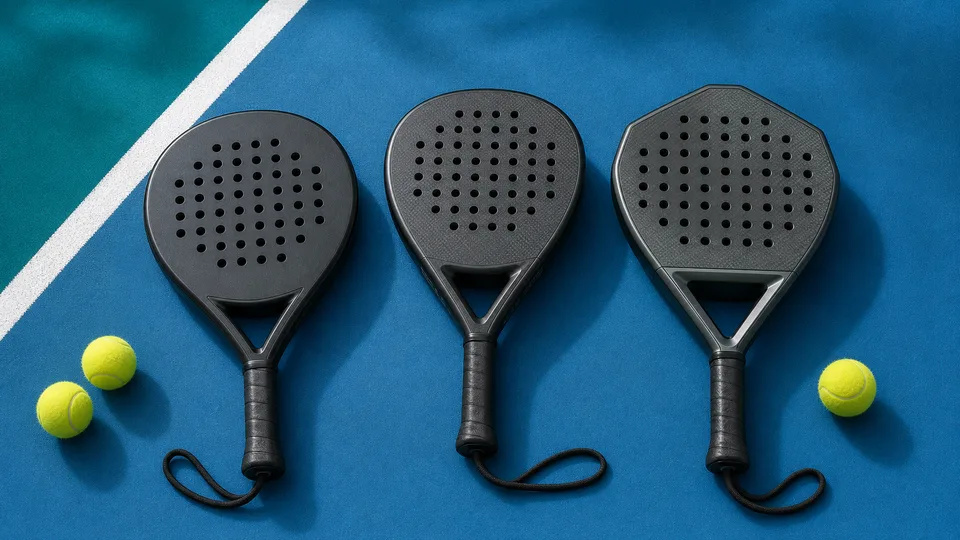 Round vs teardrop vs diamond padel rackets Padel racket shapes explained Most beginners should start with round or forgiving teardrop rackets. Diamond rackets can be excellent, but only when your timing and overhead footwork are already organized. Read article
 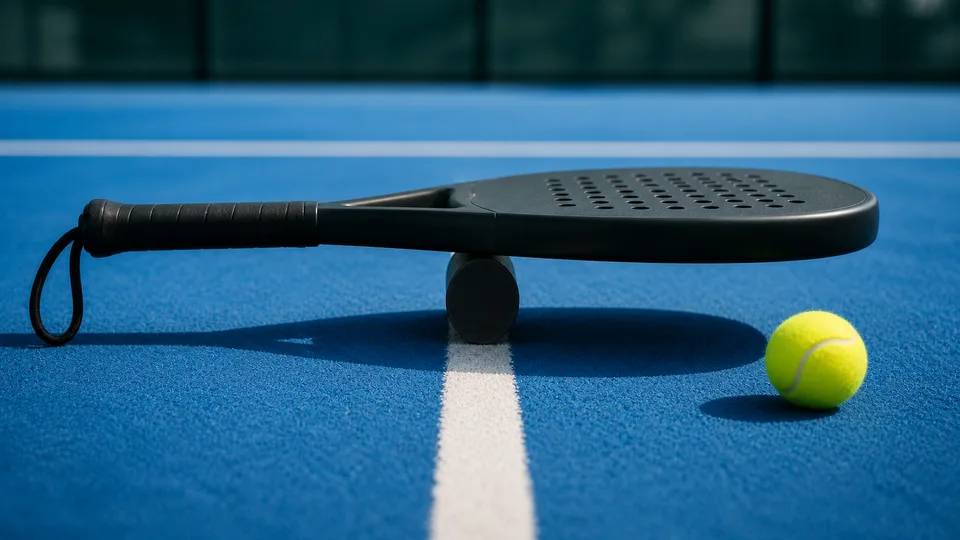 Low balance vs high balance padel racket Padel racket balance explained Low balance helps fast hands and comfort. High balance helps overhead leverage. Medium balance is usually the safest place for improving all-court players. Read article
 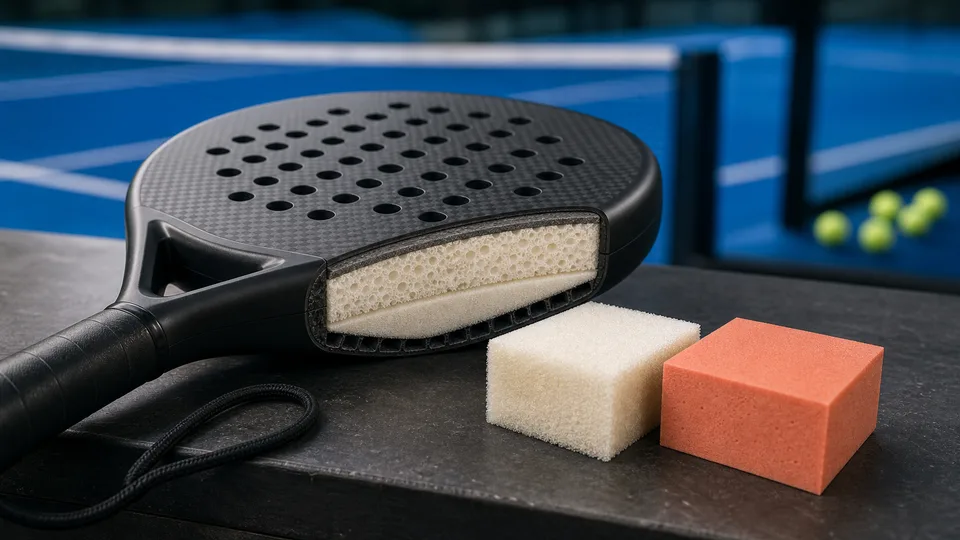 Soft foam vs hard foam padel racket Soft foam vs hard foam padel rackets Soft foam usually helps comfort and easy depth. Hard foam can feel more precise and powerful for fast swings, but it is less forgiving for newer or arm-sensitive players. Read article
 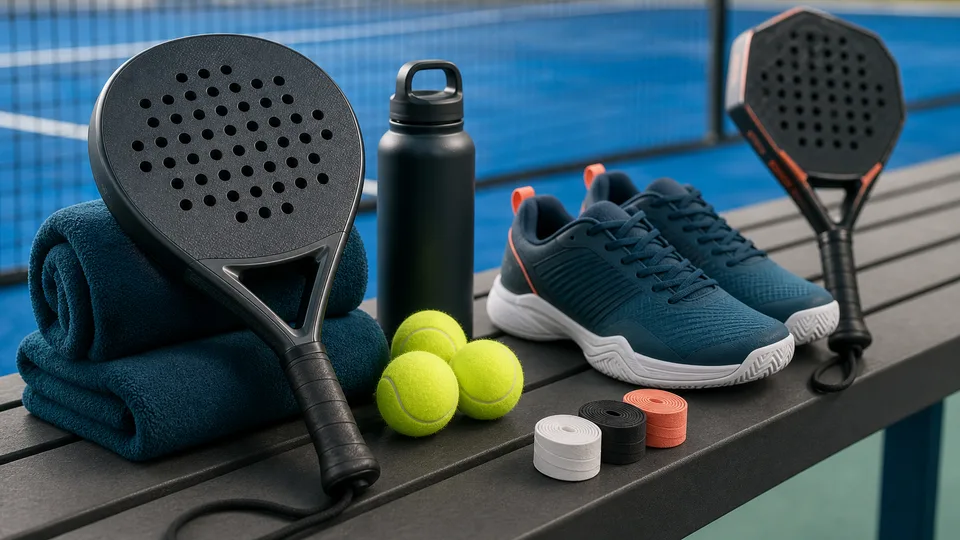 Beginner padel racket mistakes Beginner padel racket mistakes The biggest beginner mistake is buying a demanding power racket too early. Comfort, forgiveness, shoes, balls, and reps usually create faster improvement. Read article
 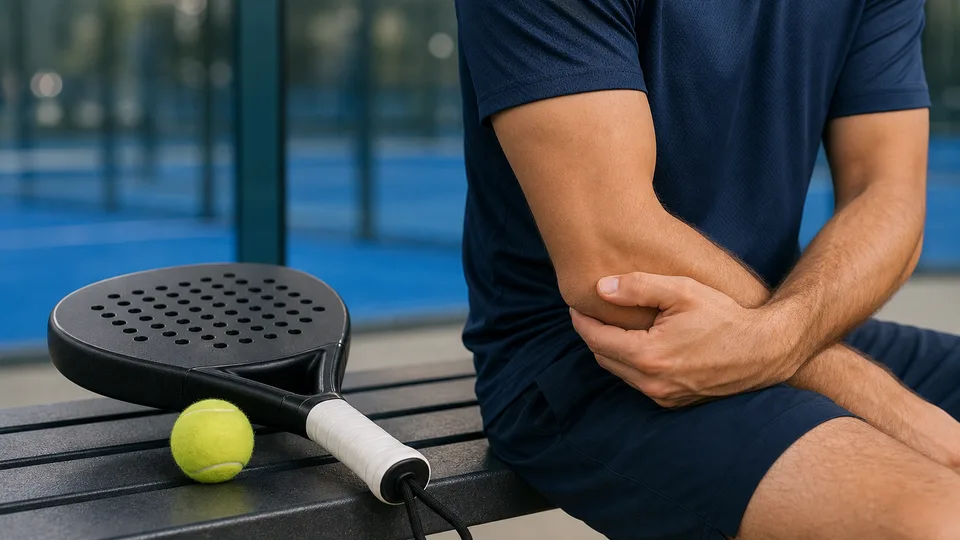 Tennis elbow padel racket Tennis elbow and padel racket choices For arm sensitivity, start with lower balance, manageable weight, softer feel, good grip setup, and reduced painful load. Persistent pain belongs with a qualified clinician. Read article
 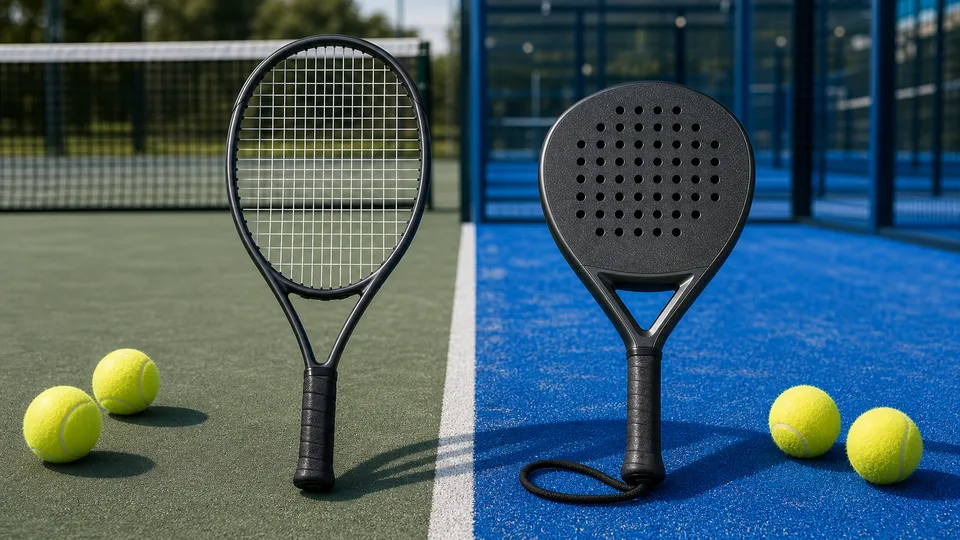 Tennis players switching to padel racket Tennis players switching to padel Most tennis converts should avoid buying the most powerful racket first. A fast, controlled, forgiving racket usually helps them shorten swings and learn the glass faster. Read article
 Data Report
Sourced data and original analysis, free for journalists and researchers to cite with attribution.
Data Report · July 3, 2026
Every reliable number on American padel in one place: how many people play, how many courts exist, where they are, and original demand analysis not published anywhere else.
Data Report · July 3, 2026
The average padel racket costs $254 in the US (median $249, range $59–$560). We priced 67 rackets across major US retailers, full data by brand and price tier.
Decision Table
This table gives the fastest route from a buying question to the article that answers it.
| Buying question | Read this article | Luca's decision cue |
|---|---|---|
| You do not know whether to buy round, teardrop, or diamond | Padel racket shapes explained | Start with forgiveness before chasing power. |
| Two rackets have similar weight but feel totally different | Padel racket balance explained | Compare low, medium, and high balance before buying. |
| You want comfort, easy depth, or a softer impact feel | Soft foam vs hard foam | Match foam feel to swing speed and arm sensitivity. |
| You are buying your first racket | How to choose your first padel racket | Choose a setup that helps rallies, not one highlight shot. |
| You have elbow discomfort or want an arm-friendlier setup | Tennis elbow and padel rackets | Reduce racket demand and seek clinical help for persistent pain. |
| You are unsure whether padel shoes matter | Padel shoes vs tennis shoes | Buy for lateral support and court movement, not just looks. |
| You play different indoor, outdoor, sandy, or low-sand courts | Padel shoe surface guide | Choose outsole and support around the court you actually play. |
| Your handle slips or your hands get sweaty during matches | Sweaty hands padel grip guide | Fix the grip, towel routine, and grip aid before blaming the racket. |
| Most court shoes pinch your forefoot | Wide feet padel shoes guide | Look for room plus midfoot hold instead of simply sizing up. |
| You play on sandy courts or keep slipping in corners | Sanded turf padel shoes guide | Match outsole, support, and court surface before replacing the wrong gear. |
| You are not sure when padel balls are too dead to use | How long do padel balls last? | Use fresh balls for honest matches, drills, and racket testing. |
| You are choosing between fast, durable, and practice balls | Padel ball speed vs durability | Match ball speed and useful life to the session goal. |
| Your bag is messy or you keep forgetting small essentials | What to keep in a padel bag | Pack around fresh balls, spare grips, shoes, towel, and organization. |
| You are choosing between a backpack, compact bag, or tournament bag | Padel bag sizes explained | Let your normal carry list decide the bag size. |
| Your handle feels too slick, too thin, or uncomfortable | Padel grip comfort guide | Fix tack, sweat, size, and squeezing before changing rackets. |
| Your handle slips, your balls are dead, or your bag is chaotic | Beginner accessory checklist | Fix the simple setup items before buying another racket. |
All Articles
Each article includes a table, practical list, related reviews, and links into the tools or comparison pages that fit the topic.
Specs
Round vs teardrop vs diamond padel rackets
Most beginners should start with round or forgiving teardrop rackets. Diamond rackets can be excellent, but only when your timing and overhead footwork are already organized.
Low balance vs high balance padel racket
Low balance helps fast hands and comfort. High balance helps overhead leverage. Medium balance is usually the safest place for improving all-court players.
Soft foam vs hard foam padel racket
Soft foam usually helps comfort and easy depth. Hard foam can feel more precise and powerful for fast swings, but it is less forgiving for newer or arm-sensitive players.
Light vs heavy padel racket
Light rackets help speed and comfort. Heavier rackets help stability and power. Most players should choose the lightest racket that still feels stable against pace.
Carbon vs fiberglass padel racket
Carbon usually feels firmer and more precise. Fiberglass usually feels softer and easier. Hybrid builds try to give improving players a middle ground.
Padel racket sweet spot
Sweet spot location is one of the biggest reasons beginner and advanced rackets feel different. Newer players should pay attention to it before chasing power.
Rough vs smooth padel racket surface
Rough surfaces can help with bite and shaped shots, but shape, balance, foam, and contact quality matter more for most club players.
Beginner
Beginner padel racket mistakes
The biggest beginner mistake is buying a demanding power racket too early. Comfort, forgiveness, shoes, balls, and reps usually create faster improvement.
How to choose first padel racket
Choose a forgiving shape, manageable weight, soft-to-medium feel, and a price that leaves room for shoes, balls, and overgrips.
Padel vs pickleball
Padel is played with solid carbon rackets and a pressurized ball on an enclosed glass-walled court where the walls are part of the game. Pickleball is played with flat paddles and a plastic wiffle ball on a small open court with a no-volley zone. They share exactly two things: an underhand serve and an easy first day.
what is padel
Padel is a doubles racket sport played on an enclosed 20m x 10m glass-and-mesh court where the walls are part of play. It uses solid, stringless rackets, a slightly depressurized tennis ball, an underhand serve, and tennis scoring. Invented in 1969 in Acapulco, Mexico, it's now played by an estimated 25–30 million people in more than 90 countries.
Comfort
Tennis elbow padel racket
For arm sensitivity, start with lower balance, manageable weight, softer feel, good grip setup, and reduced painful load. Persistent pain belongs with a qualified clinician.
Technique
Tennis players switching to padel racket
Most tennis converts should avoid buying the most powerful racket first. A fast, controlled, forgiving racket usually helps them shorten swings and learn the glass faster.
Gear
Padel shoes vs tennis shoes
Tennis shoes can work for an occasional first hit, but regular players should use shoes with lateral support and traction that match padel stops, turns, and court surfaces.
How to choose a padel bag
Choose a backpack for light sessions, a compact bag for one or two rackets plus basics, and a full padel bag if you carry shoes, clothes, balls, grips, and multiple rackets.
Padel balls guide
Use fresh padel balls for real practice and matches. Choose livelier balls for faster match feel, balanced balls for weekly play, and value balls for casual groups.
Padel overgrip guide
Choose tacky grips for a secure feel, absorbent grips for sweat, and replace them before they become slick. Weekly players should keep spares in the bag.
Padel accessory checklist
Beginners should start with fresh balls, spare overgrips, court shoes, water, and a simple bag. Add grip spray or sleeves only when a real problem shows up.
Sweaty hands padel grip
Start with a fresh absorbent or tacky overgrip, carry a towel, keep spare grips in the bag, and add grip spray only if sweat still makes the handle unreliable.
Wide feet padel shoes
Players with wide feet should look for regular-to-roomy court shoes, avoid narrow speed fits, and prioritize a secure midfoot so extra toe room does not become lateral sliding.
Sanded turf padel shoes
For sanded turf, choose padel-specific or clay-style traction with stable lateral support. Avoid worn outsoles, casual trainers, and shoes that feel stuck when you rotate.
How long do padel balls last
For serious matches, use a fresh can. For casual weekly play, one can often lasts one to three sessions, but heat, hard hitting, storage, and court conditions can shorten that quickly.
What to keep in padel bag
Every padel bag should have your racket, fresh balls, spare overgrips, water, a towel, and shoes if you change at the club. Regular players should add clothes, a small accessory pouch, and backup basics.
Padel shoes slipping
Padel shoes usually slip because the outsole is worn, the shoe is wrong for the surface, the fit is loose, the court has uneven sand, or the player is braking late and upright.
Padel shoe surface guide
Indoor and low-sand courts usually need predictable release, while sandy outdoor courts need more bite and stability. Choose the outsole for your main court, then adjust for fit and support.
Padel ball speed durability
Choose fast balls for match tempo, durable balanced balls for weekly groups, and value practice balls when freshness matters more than premium speed.
Padel bag sizes
Choose a backpack for one-racket sessions, a compact bag for weekly essentials, and a tournament bag when shoes, clothes, towels, and multiple rackets are routine.
Padel grip comfort
Choose tacky grips for secure handle feel, absorbent setups for sweat, and comfort-focused grips or slight size build-up when the handle makes you squeeze too hard.
Start with shape, balance, weight, foam, and face material. Those specs explain most of the difference between a forgiving beginner racket and a demanding power racket.
Beginners should read the first racket guide and the beginner mistakes guide first, then use the shape, balance, and foam guides to understand why certain rackets feel easier.
No racket can prevent, diagnose, or cure tennis elbow. A better-matched racket may reduce stress for some players, but persistent elbow pain should be assessed by a qualified health professional.
Each learning guide links to relevant Luca Navarro product reviews, comparison pages, and tools so you can move from the concept to specific rackets without guessing.
Yes. The learning center now includes practical support guides for padel shoes, bags, balls, overgrips, and beginner accessories, with links into the gear review hub.
Yes. The learning center includes problem-aware guides for sweaty hands, wide feet, shoe surfaces, sanded turf, slipping shoes, ball speed, ball durability, padel ball lifespan, bag sizes, grip comfort, and what to keep in a padel bag.