Padel ball buying guide
| Need | Ball direction | Why |
|---|---|---|
| Faster match feel | Livelier premium ball | More rebound and tempo |
| Weekly club play | Balanced padel ball | Predictable bounce without feeling too hot |
| Beginner practice | Fresh value can | Better timing feedback than old balls |
| Group sessions | Multiple fresh cans | Keeps drills consistent across players |
Dead balls make bad practice
When the ball loses internal pressure, lobs drop shorter, wall rebounds become dull, and players start forcing swings. That can make a genuinely good racket feel weak and cheap. Padel balls are pressurized, so they slowly leak air from the moment the can is cracked, which means every ball is on a clock whether you use it or not.
I check balls with basic serves, lobs, and wall rebounds at the start of a session. If those three feel inconsistent, the practice is already compromised, and no amount of technique work will fix feedback that the ball itself is hiding.
- Open fresh balls for serious drilling and any racket comparison.
- Do not evaluate a racket, string tension, or your own timing with tired balls.
- Keep one sealed can in your bag as backup if you play weekly.
- Rotate opened cans: fresh for matches, older ones for warmup only.
Speed is a preference
Some players like a lively, higher-pressure ball because it simulates faster match tempo and rewards clean contact. Others want a more controlled feel for learning and longer rallies. The important part is using a padel ball that gives predictable, repeatable feedback so you can actually trust what your racket and swing are telling you.
There is no single correct ball. A livelier can suits advanced groups and match prep; a balanced can suits mixed-level club nights; a value can is fine for high-repetition drills where freshness matters more than premium rebound.
Padel balls vs tennis balls
Padel balls look almost identical to tennis balls, but they are not interchangeable. A padel ball is slightly smaller and carries a little less internal pressure, which keeps the bounce lower and more controllable inside a walled court. Using a tennis ball on a padel court gives a bounce that sits too high and fast for the enclosed space, and using a flat padel ball for tennis feels dead.
The differences are small on paper but obvious in the hand. If you are buying for padel, buy padel-specific balls and ignore the tennis tube in the garage.
| Property | Padel ball | Tennis ball |
|---|---|---|
| Diameter | About 6.35 to 6.77 cm | About 6.54 to 6.86 cm |
| Internal pressure | Slightly lower (softer bounce) | Higher (livelier bounce) |
| Bounce feel | Lower and more controllable | Higher and faster |
| Best court | Enclosed padel court with glass | Open tennis court |
How pressure, heat, and altitude change the bounce
Because the ball relies on internal pressure, its surroundings matter. A cold ball on an outdoor winter morning bounces lower and feels heavy; the same ball warms up during play and comes alive. Heat does the opposite short-term but ages the ball faster over a session. Altitude also matters: higher-elevation clubs feel the ball fly, which is why some brands sell high-altitude or pressureless options.
None of this means you need lab-grade control. It just explains why the same can feels different on Tuesday night indoors and Saturday morning outdoors.
- Cold weather: expect a lower, duller bounce until the ball warms up.
- Hot weather and direct sun: livelier at first, then dies faster.
- High altitude: the ball flies, so look for high-altitude cans if your club sits above roughly 3,000 feet.
- A ball left in a hot car trunk can lose useful bounce before you ever open it.
The two-minute freshness test
You do not need equipment to judge a ball. Drop a ball from shoulder height onto a hard part of the court and watch the rebound; a healthy padel ball springs back to roughly hip-to-waist height. Then squeeze it: a fresh ball resists, a tired ball feels soft. Finally, listen on the first few serves and wall rebounds, because a dull thud is the clearest sign pressure is fading.
- Shoulder-height drop: fresh balls rebound to about hip or waist height.
- Squeeze test: firm resistance means good pressure; easy give means fading.
- Sound test: crisp pop is fresh, dull thud is dying.
- Compare a new ball from a sealed can side by side if you are unsure.
How many balls you actually need
Most players overthink this. For casual weekly play, one fresh can and a few older warmup balls covers a session. Competitive players open fresh balls per match. If you run drills, a basket of practice balls keeps sessions moving so you are not chasing a single dead ball around the court.
Buy for how you actually play, not for how you imagine you will play. Stockpiling opened cans wastes money because they go flat on the shelf, while a small rotation of fresh cans keeps every session honest. When in doubt, keep one sealed backup can in your bag and buy more only when you are down to it.
| Player type | Fresh cans to keep | Notes |
|---|---|---|
| Once-a-week casual | One fresh can plus warmup balls | One can can stretch one to three sessions |
| Two to three times a week | Two to three cans on rotation | Retire cans to warmup as bounce dulls |
| League or tournament | Fresh can per match | Honest pace matters when points count |
| Coaching or drills | A full basket of practice balls | Value cans are fine here |
Storing balls and pressurizer tubes
An opened can loses pressure over days whether you play or not, but you can slow it down. A ball pressurizer tube re-pressurizes opened balls and keeps them lively for weeks, which pays off if you buy in bulk. At minimum, keep balls out of hot car trunks and freezing garages, since both extremes shorten useful life.
For most club players, the cheap move is simple: buy balls close to when you need them and do not stockpile opened cans.
Related Reviews
These are the reviews I would open next if this guide describes the decision you are trying to make.
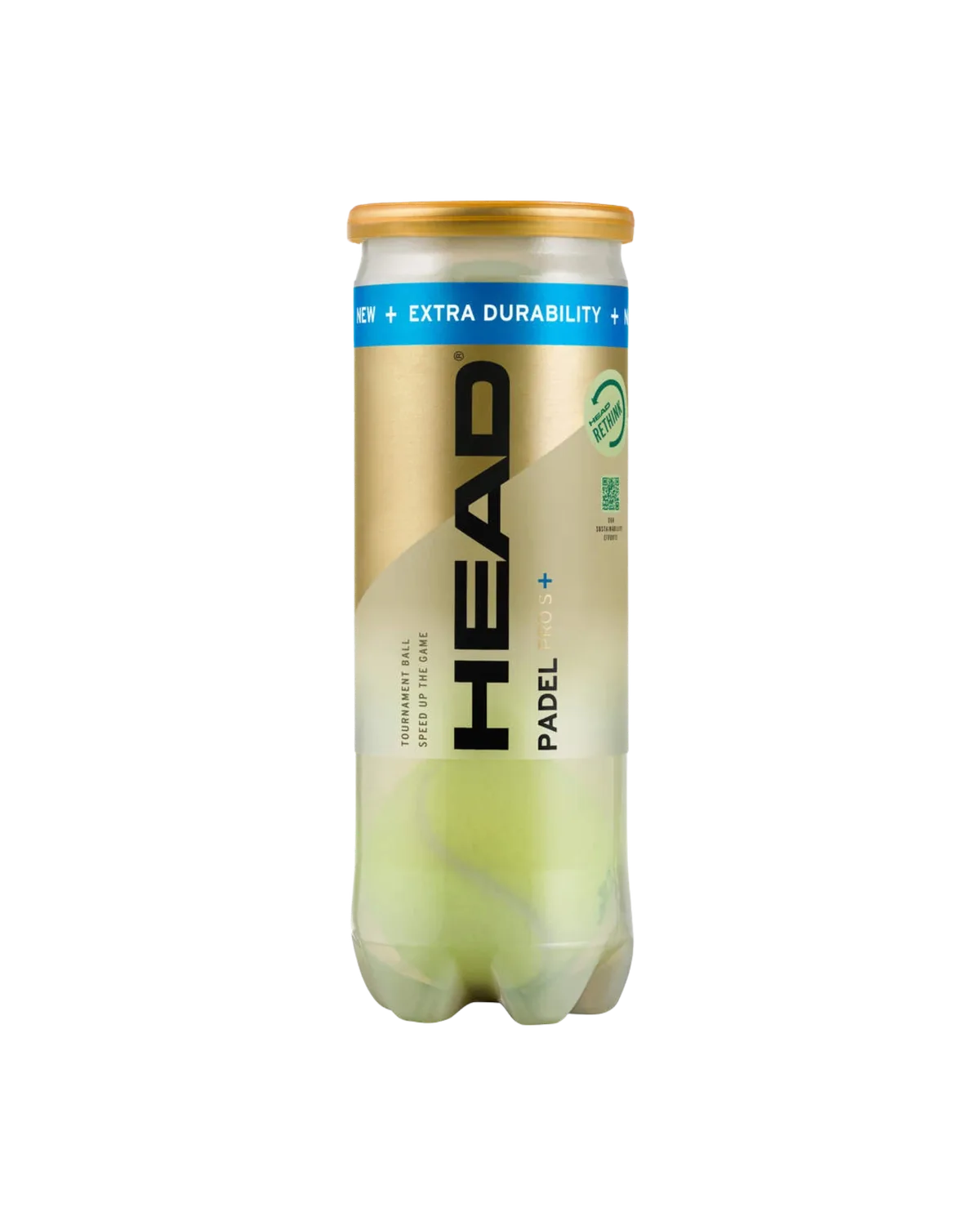
Tool-tested padel ball pick
Head Padel Pro S+ Balls
A livelier ball pick for regular beginner sessions.
- Review
- 8.5/10
- Price
- $7.49
- Best for
- A livelier ball pick for regular beginner sessions.
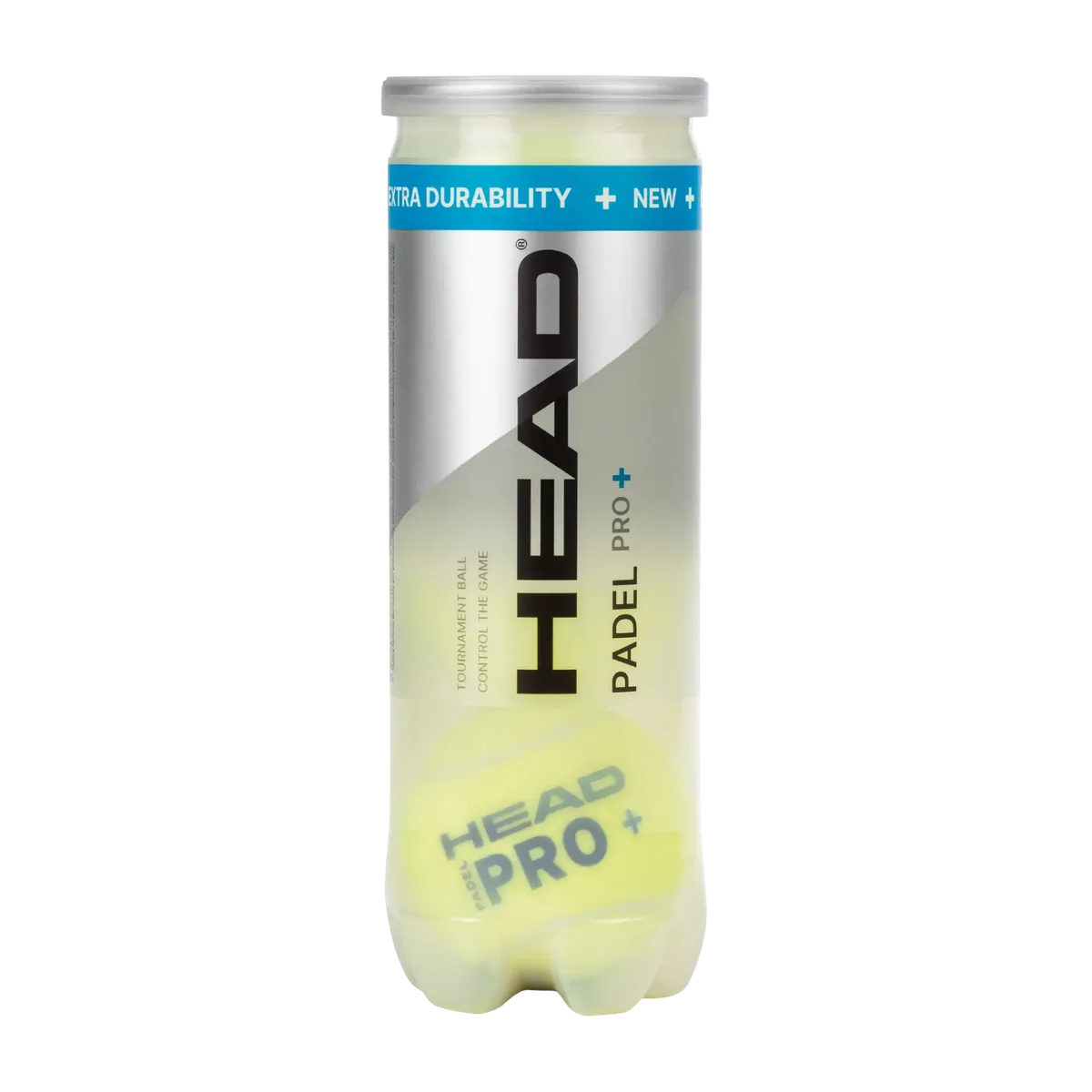
Tool-tested padel ball pick
Head Padel Pro+ Balls
A strong all-around ball choice for practice, clinics, and match play.
- Review
- 8.4/10
- Price
- $7.49
- Best for
- A strong all-around ball choice for practice, clinics, and match play.
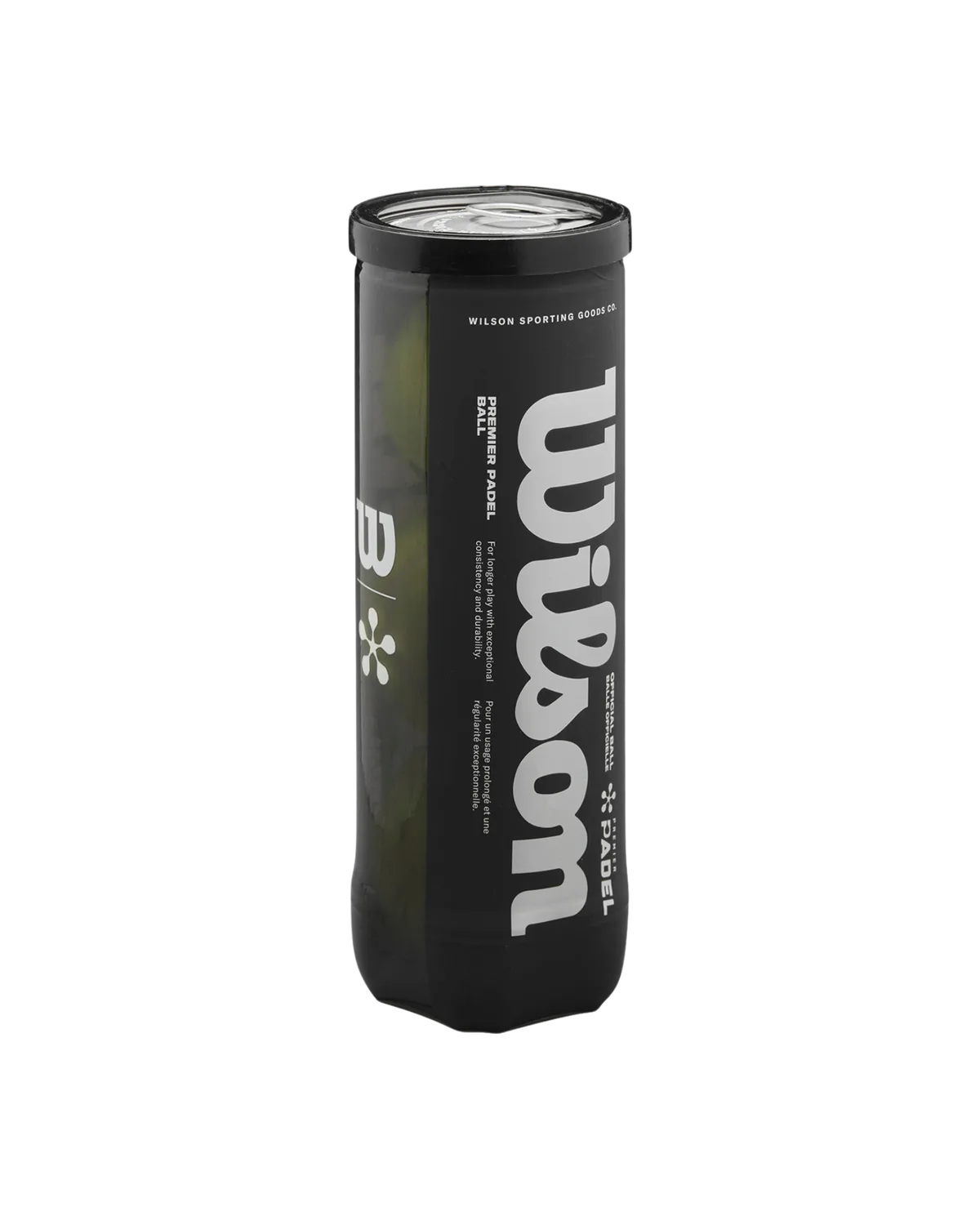
Tool-tested padel ball pick
Wilson Premier Padel Balls
A low-cost can of padel balls for first sessions and casual games.
- Review
- 8.3/10
- Price
- $7.00
- Best for
- A low-cost can of padel balls for first sessions and casual games.
Related Guides and Tools
Next step
Best padel balls
Use this next if you want to turn the guide into a shortlist or a direct product decision.
Next step
How long padel balls last
Use this next if you want to turn the guide into a shortlist or a direct product decision.
Next step
Ball speed vs durability guide
Use this next if you want to turn the guide into a shortlist or a direct product decision.
Next step
Fastest padel balls
Use this next if you want to turn the guide into a shortlist or a direct product decision.
Next step
Best practice padel balls
Use this next if you want to turn the guide into a shortlist or a direct product decision.
Next step
Complete gear checklist
Use this next if you want to turn the guide into a shortlist or a direct product decision.
Next step
Beginner mistakes
Use this next if you want to turn the guide into a shortlist or a direct product decision.
Padel balls guide FAQ
How do I know padel balls are dead?
Padel balls are probably dead when bounce, wall rebound, and sound feel dull enough that players start forcing swings for normal depth.
Should beginners use premium padel balls?
Beginners do not need the most premium ball, but they should use fresh padel balls so practice feedback stays predictable. A fresh value can gives better learning feedback than an old premium can.
Can I use tennis balls for padel?
You should not use tennis balls for padel. A tennis ball is slightly larger and higher-pressure, so it bounces too high and fast inside an enclosed padel court. Padel-specific balls give the lower, controllable bounce the walled game needs.
Why do padel balls feel different in cold weather?
Cold air lowers the effective pressure and stiffens the felt, so a cold ball bounces lower and feels heavy. The ball usually livens up as it warms during play, which is why outdoor winter sessions feel slow at first.
How do I test if a padel ball is still good?
Drop it from shoulder height; a fresh ball rebounds to about hip or waist height. Then squeeze it, since a fresh ball resists and a tired one gives easily, and listen for a crisp pop rather than a dull thud on the first serves.
Are pressurizer tubes worth it?
A ball pressurizer tube is worth it if you play often and buy balls in bulk, since it keeps opened balls lively for weeks. For casual players, buying fresh cans on demand is usually cheaper and simpler.