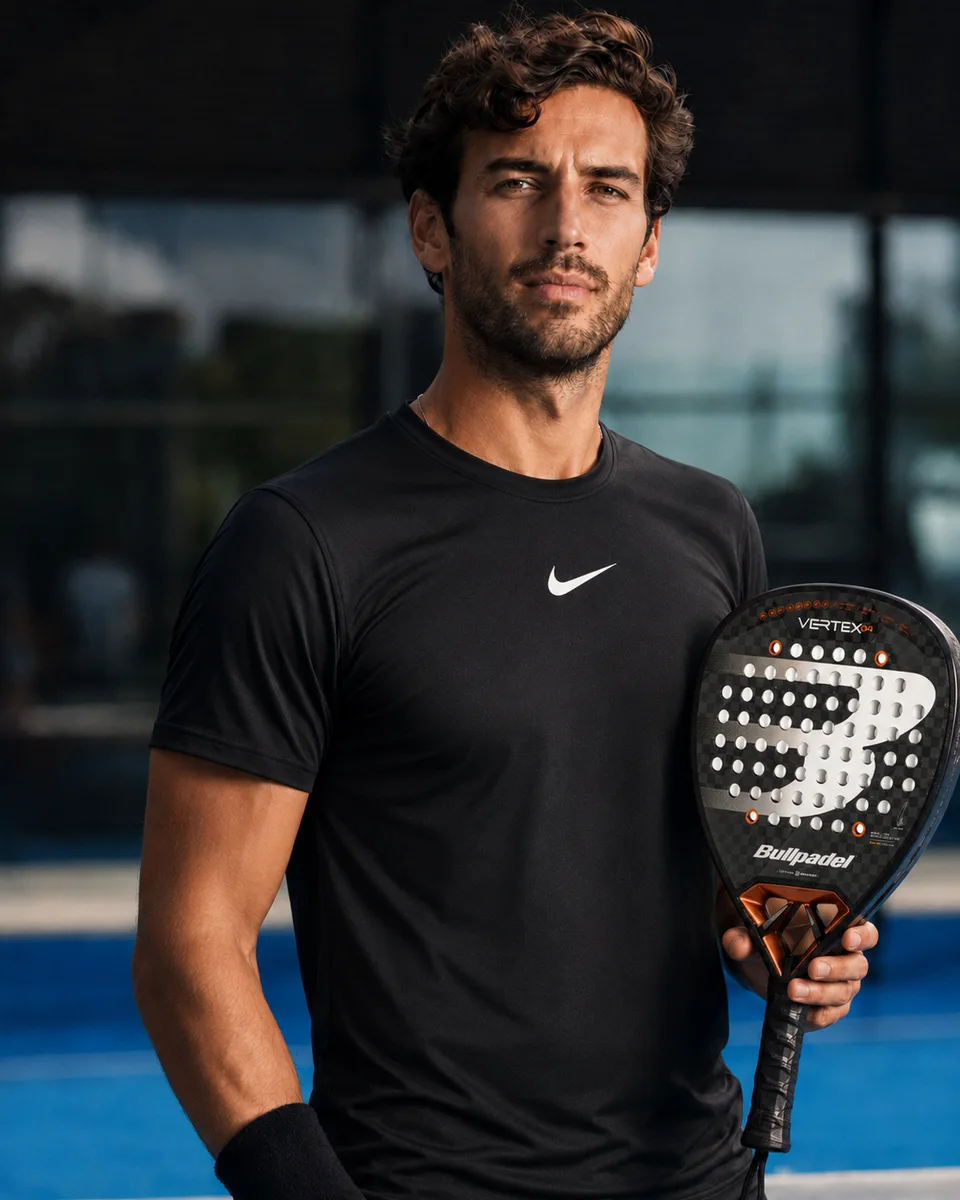
Padel ball speed and durability comparison
| Ball priority | Best use | Trade-off |
|---|---|---|
| Fast and lively | Match simulation and advanced tempo | Can rush beginners |
| Balanced durability | Weekly groups and harder drills | Less hot than speed balls |
| Value practice | Beginner drills and casual sessions | Not the most premium rebound |
| Old opened balls | Warmup only | Poor feedback for real practice |
Fast balls are for tempo
Fast balls make points sharper and rebounds cleaner. They are useful when players want to practice at match speed or test whether a racket still feels controlled under pace.
They are not automatically better for every group. If the ball makes newer players panic, a balanced can can produce better learning.
- Use fast balls for league prep.
- Use balanced balls for mixed-level club groups.
- Use value practice balls for high-repetition drills.
- Avoid old balls when evaluating rackets.
Durability is useful life, not forever life
A durable padel ball still loses pressure. I judge durability by how long the ball keeps useful bounce, wall rebound, and sound for the session goal.
The practical answer for most groups is simple: keep more fresh cans around and stop stretching one dead can too far.
| Search intent | Best page | Why |
|---|---|---|
| I want faster matches | Fastest padel balls | Focuses on liveliness and rebound |
| I want balls that last | Longest-lasting padel balls | Focuses on useful life |
| I need drill balls | Best practice padel balls | Focuses on value and consistency |
What makes a ball fast or slow
Speed comes mostly from internal pressure and the felt. A higher-pressure ball with a thinner, faster nap rebounds harder off the strings and glass, which is what players mean by a fast or lively ball. A ball tuned for control usually runs slightly lower pressure or a thicker felt, so it sits down more and gives longer, more readable rallies.
Neither is objectively better. Speed rewards clean timing and punishes late swings, while a controlled ball is more forgiving for developing players and mixed groups.
| Factor | More speed | More durability |
|---|---|---|
| Internal pressure | Higher pressure, livelier bounce | Balanced pressure holds up longer |
| Felt nap | Thinner, faster felt | Thicker, tougher felt |
| Core rubber | Springy for rebound | Firmer for consistency |
| Best fit | Match tempo and advanced play | Weekly groups and drills |
Match your ball to your level
The single biggest mistake is buying the fastest ball a brand sells because it sounds premium. If you or your group are still building timing, a hot ball just rushes you into late, forced swings. Advanced players who already meet the ball early get the payoff from speed; everyone else usually learns faster with a balanced ball.
Think about the slowest player in your regular group, not the fastest, when you pick a can for shared sessions.
- Beginner: balanced or value ball for readable, learnable bounce.
- Intermediate mixed group: balanced durability ball.
- Advanced or league prep: fast, lively ball for real tempo.
- Coaching or drills: value practice balls, kept fresh.
Heat, cold, and altitude change the equation
Conditions shift how fast a ball plays. Warm indoor courts make a ball feel livelier; cold outdoor mornings make the same ball feel slow and heavy until it warms up. High-altitude US clubs make balls fly, so a slower or high-altitude ball can actually feel just right there while a fast ball feels wild.
If your club plays outdoors through the seasons, do not be surprised when your usual ball feels like a different product in January versus July.
- Hot and indoor: expect livelier, faster bounce.
- Cold and outdoor: slower and heavier until warmed up.
- High altitude: balls fly, so consider high-altitude cans.
- Direct summer sun ages fast balls even quicker.
Getting real value from a can
Durability is really about useful life per dollar, not a ball that never dies. The smart move is to retire balls down a ladder: match-fresh first, then practice, then warmup only. That gets full value from every can and keeps your serious points honest instead of stretching one flat ball across weeks.
Buy for how often you play, keep a couple of cans on rotation, and stop trying to make a single can last a month.
Related Reviews
These are the reviews I would open next if this guide describes the decision you are trying to make.
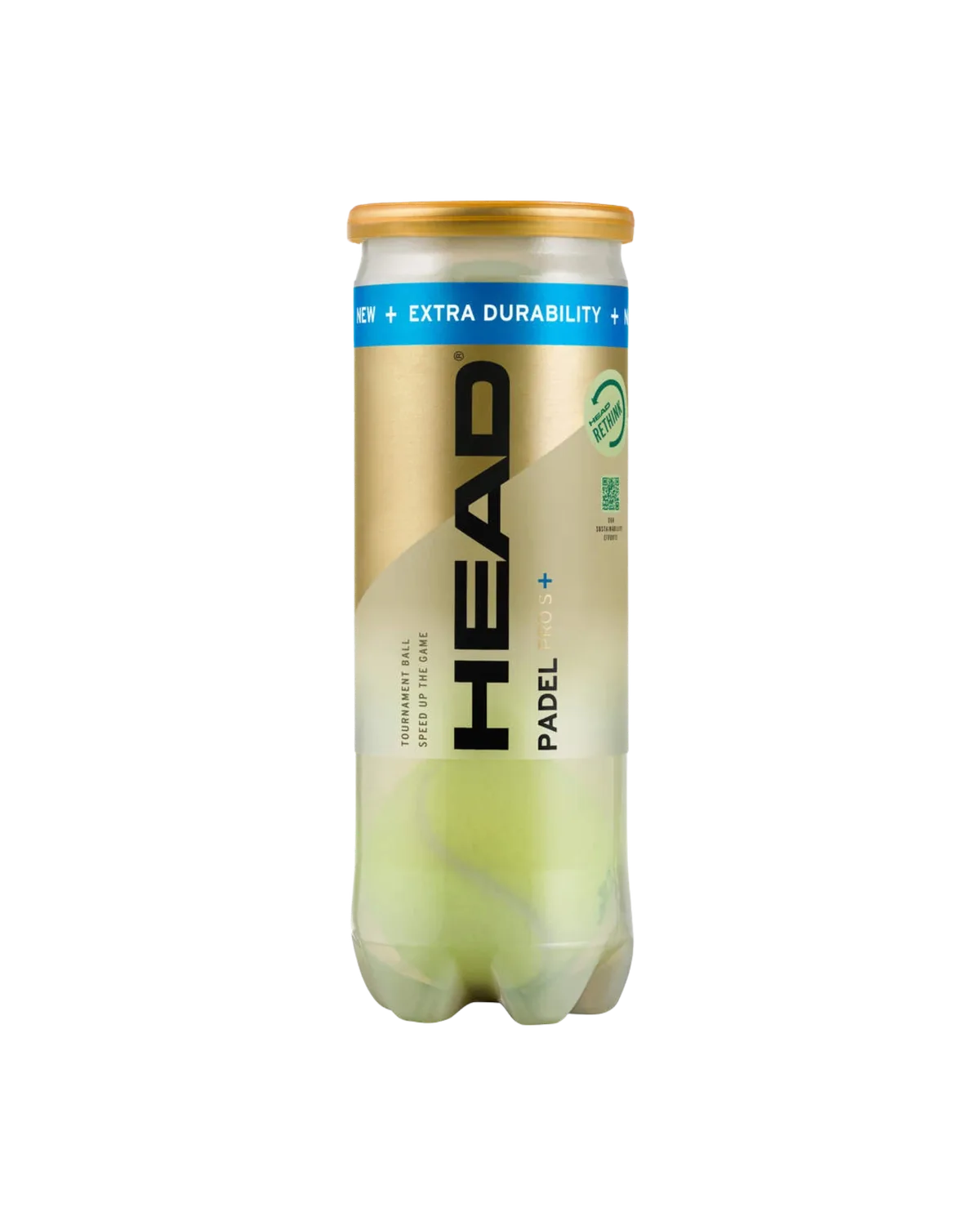
Tool-tested padel ball pick
Head Padel Pro S+ Balls
A livelier ball pick for regular beginner sessions.
- Review
- 8.5/10
- Price
- $7.49
- Best for
- A livelier ball pick for regular beginner sessions.
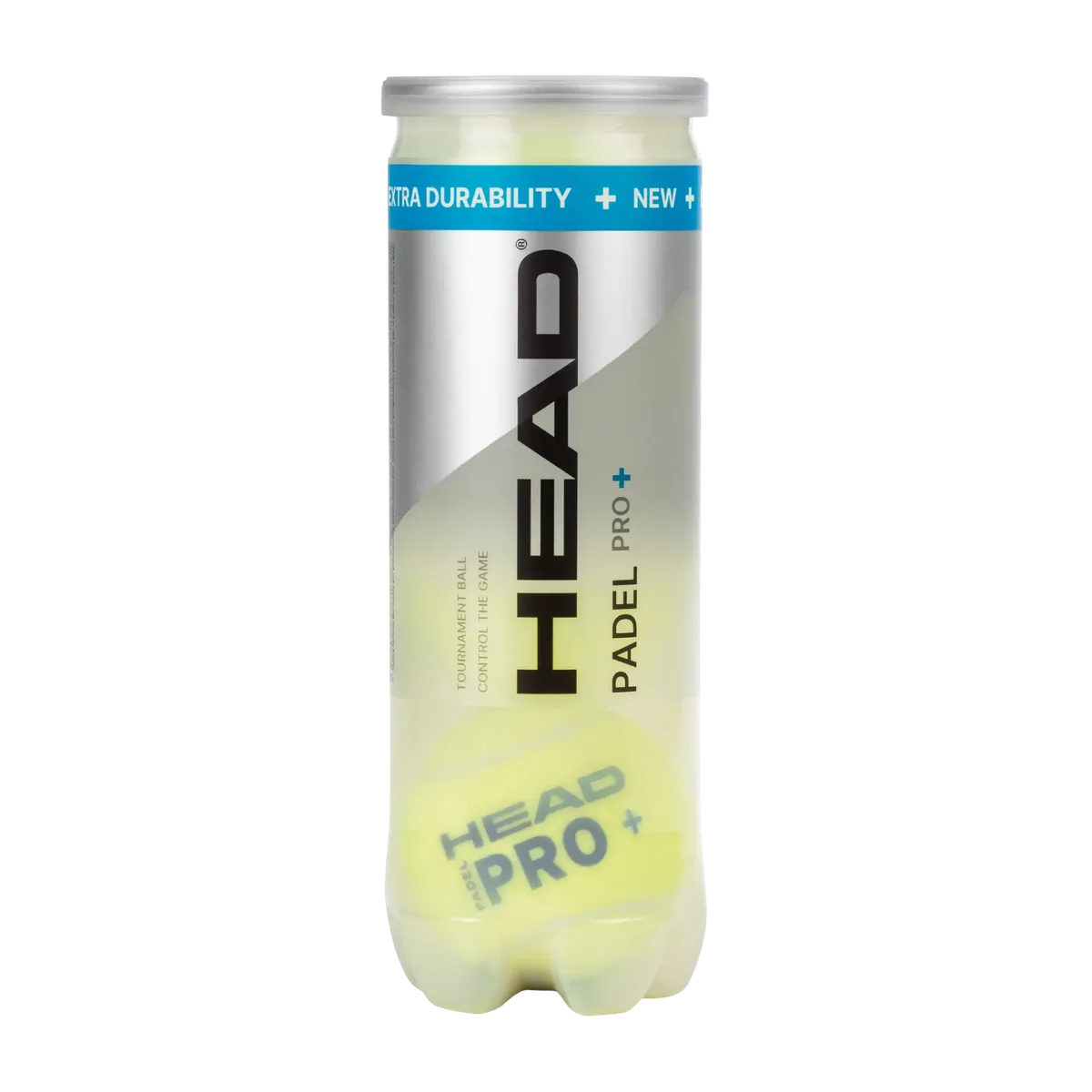
Tool-tested padel ball pick
Head Padel Pro+ Balls
A strong all-around ball choice for practice, clinics, and match play.
- Review
- 8.4/10
- Price
- $7.49
- Best for
- A strong all-around ball choice for practice, clinics, and match play.
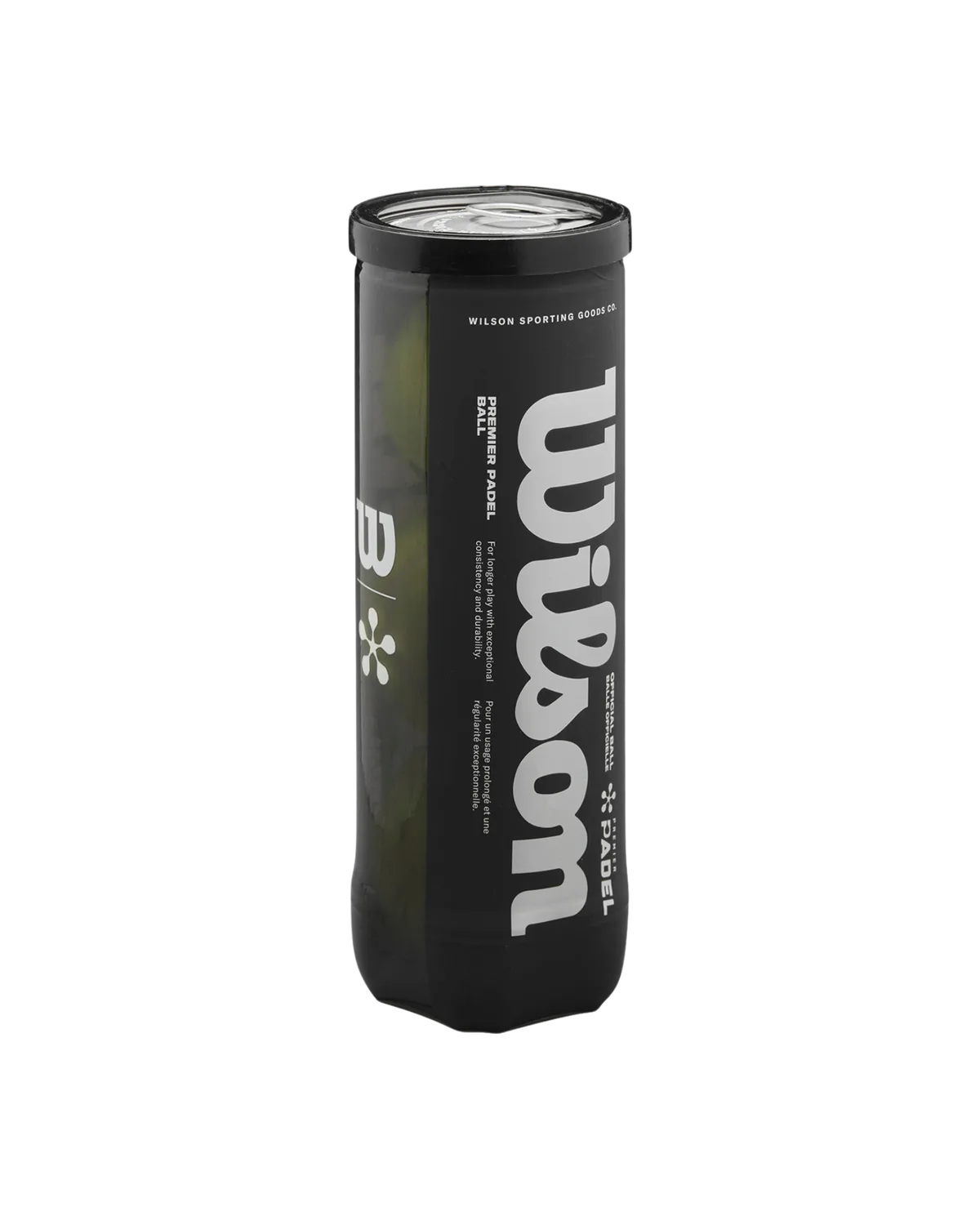
Tool-tested padel ball pick
Wilson Premier Padel Balls
A low-cost can of padel balls for first sessions and casual games.
- Review
- 8.3/10
- Price
- $7.00
- Best for
- A low-cost can of padel balls for first sessions and casual games.
Related Guides and Tools
Next step
Fastest padel balls
Use this next if you want to turn the guide into a shortlist or a direct product decision.
Next step
Longest-lasting padel balls
Use this next if you want to turn the guide into a shortlist or a direct product decision.
Next step
Best practice padel balls
Use this next if you want to turn the guide into a shortlist or a direct product decision.
Padel ball speed vs durability guide FAQ
Are fast padel balls better?
Fast padel balls are better for match tempo and advanced practice, but balanced balls may be better for beginners or mixed-level groups.
Are durable padel balls slower?
Durable or balanced padel balls can feel less lively than speed balls, but that can make practice more controlled and predictable.
What padel balls should I use for practice?
Use fresh, predictable balls for practice. Value cans are fine for drills, while balanced premium balls make sense for harder weekly groups.
What makes one padel ball faster than another?
Speed comes mainly from higher internal pressure and a thinner, faster felt, which rebound harder off the strings and glass. Control-oriented balls run slightly lower pressure or thicker felt so they sit down more and give longer rallies.
Do fast padel balls wear out quicker?
Fast, high-pressure balls can lose their peak liveliness sooner, especially in heat or with heavy hitters. Balanced durability balls hold a consistent bounce longer, which is why they suit weekly groups and drilling.
Which padel ball is best for beginners?
Beginners are usually best with a balanced or value ball rather than the fastest option. A controlled bounce is easier to read and time, so it builds better technique than a hot ball that rushes your swing.