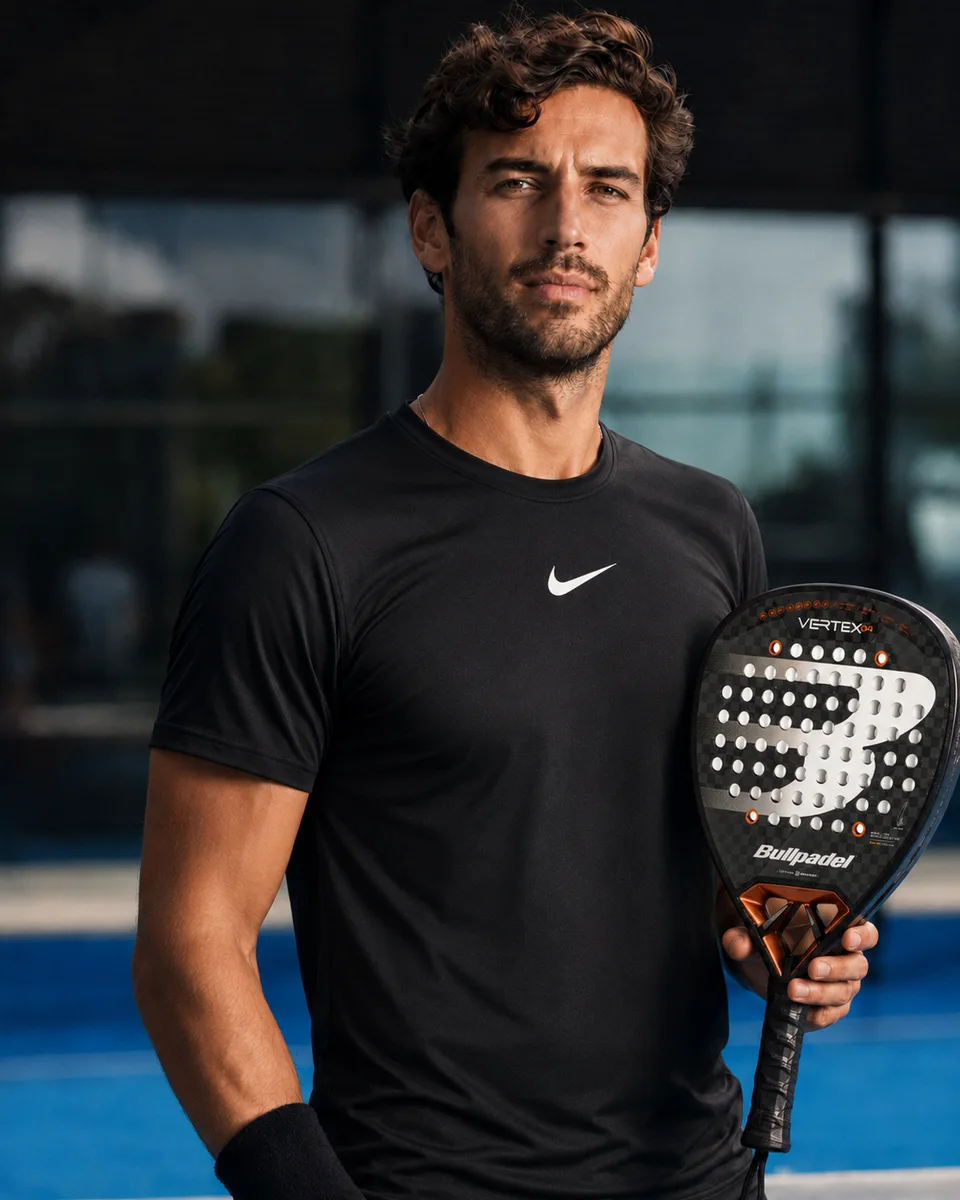
Padel racket weight ranges
| Weight range | Typical feel | Best for | Trade-off |
|---|---|---|---|
| Under 355 g | Very quick and low fatigue | Beginners, juniors, arm-sensitive players | Less stability against heavy balls |
| 355-370 g | Balanced and practical | Most club players | Less specialized |
| 370 g+ | Stable and powerful | Strong advanced players | Slower reactions and more fatigue |
How Luca tests weight
I care less about the scale number and more about whether the racket arrives on time. The key moments are return blocks, body volleys, and emergency defense after the glass, because those are the shots where a racket that is even slightly too heavy shows up as late contact.
A heavier racket can feel great for ten minutes and then become late in the second set. That is when the wrong weight shows up. Warmup power means nothing if you cannot deliver it once your arm has done forty minutes of work.
So my test is deliberately unglamorous: fast hands at net, awkward body balls, and late defense when I am tired. Whatever weight still lets me do those cleanly is the right weight, regardless of what the box promises.
- If you are late on volleys, go lighter or lower balance.
- If your racket twists on blocks, you may need more mass or stability.
- If your arm tires, do not solve it by buying an even heavier power racket.
Weight ranges by level and gender
Padel rackets cluster in a fairly narrow window, usually 350 to 375 grams, with junior and ultralight models dipping below that. The right spot within the range depends on your strength, your level, and how long your matches run rather than any strict rule.
These are starting points, not limits. Plenty of strong players prefer a lighter racket for speed, and some smaller players handle a heavier one just fine. Use the table to place yourself, then let your on-court fatigue and stability tell you whether to shift up or down.
| Player | Suggested weight | Why |
|---|---|---|
| Junior / ultralight need | 340-355 g | Easiest to swing on time, lowest fatigue |
| Adult beginner | 350-360 g | Speed and comfort while learning contact |
| Women, intermediate | 355-365 g | Balanced control without arm strain |
| Men, intermediate | 360-370 g | Stability against pace with manageable fatigue |
| Advanced attacker | 365-375 g | Extra mass for power and blocking stability |
Weight and balance work together
A 360 g high-balance racket can feel more demanding than a 370 g low-balance racket. Always read weight together with balance and shape, because balance decides where that weight is felt in your hand and swing. Our balance guide covers how to measure that spec and tune it with lead tape.
This is why the scale number alone can mislead you. Two rackets at the same weight play differently depending on whether the mass sits near the head or near the grip. A lighter head-heavy racket can tire your arm faster than a heavier head-light one.
The practical shortcut: pick a weight that keeps you on time, then use balance to fine-tune whether you want quicker hands or more overhead leverage. Do not treat weight as the whole story.
Adding weight with lead tape
If a racket feels quick but a little unstable against hard balls, you do not have to buy a heavier frame. A few grams of lead tape lets you add mass exactly where you want it and dial in the feel.
Where you place the tape matters as much as how much you add. Tape high on the head adds power and overhead punch but slows your hands; tape at the sides adds twist stability on blocks with less speed penalty; tape near the grip adds a little stability and comfort while keeping the head quick. Add two to four grams at a time and hit with it before adding more.
This is a cheaper, more precise fix than replacing a racket you mostly like. It is far easier to add a couple of grams than to shed weight from a frame that turned out too heavy, which is another reason to buy on the lighter side when in doubt.
| Tape position | Effect | Good for | Downside |
|---|---|---|---|
| Top of head | Adds power, raises balance | More overhead punch | Slower, more tiring at net |
| Sides of head (3 & 9) | Adds twist stability | Steadier blocks against pace | Slight loss of maneuverability |
| Throat area | Adds mass, near-neutral balance | Stability without much head weight | Less obvious power gain |
| Under the grip | Adds mass, lowers balance | Comfort and fast hands | Little added power |
Weight, fatigue, and comfort
Weight is the spec most tied to how your arm feels the next day. Every gram you swing hundreds of times per match adds up, and a racket that is too heavy is a common thread when players develop elbow or shoulder soreness. If your arm already aches, our tennis elbow gear guide covers the full setup, not just weight.
US club matches often run long, and outdoor heat adds its own fatigue. If you play several times a week or in warm conditions, erring lighter protects your arm and keeps your last games as sharp as your first. Comfort is not a beginner-only concern; it is what lets you keep playing without breaks.
- Long or frequent matches: lean lighter to preserve late-set sharpness.
- Any arm soreness history: choose lighter and lower balance first.
- Hot outdoor play: lighter reduces cumulative fatigue.
- Add stability with a few grams of tape rather than a heavy frame.
Common weight mistakes
The classic mistake is equating heavier with more powerful and buying up the scale to hit harder. If you cannot swing that weight on time for a full match, you lose more in late contact and control than you gain in raw mass. Power you deliver late is not power at all.
The opposite error is going ultralight and then fighting a racket that twists on every hard block. If pace pushes your racket around, add a couple of grams of tape at the sides of the head rather than chasing the lightest frame available. Aim for the lightest weight that still feels stable against pace, and adjust from there.
- Do not buy heavier just to hit harder if you swing late.
- Do not fix a tired arm with a heavier power racket.
- Do not go so light that hard balls twist the head; add tape instead.
- Do not judge weight in warmup; judge it when you are tired.
Related Reviews
These are the reviews I would open next if this guide describes the decision you are trying to make.
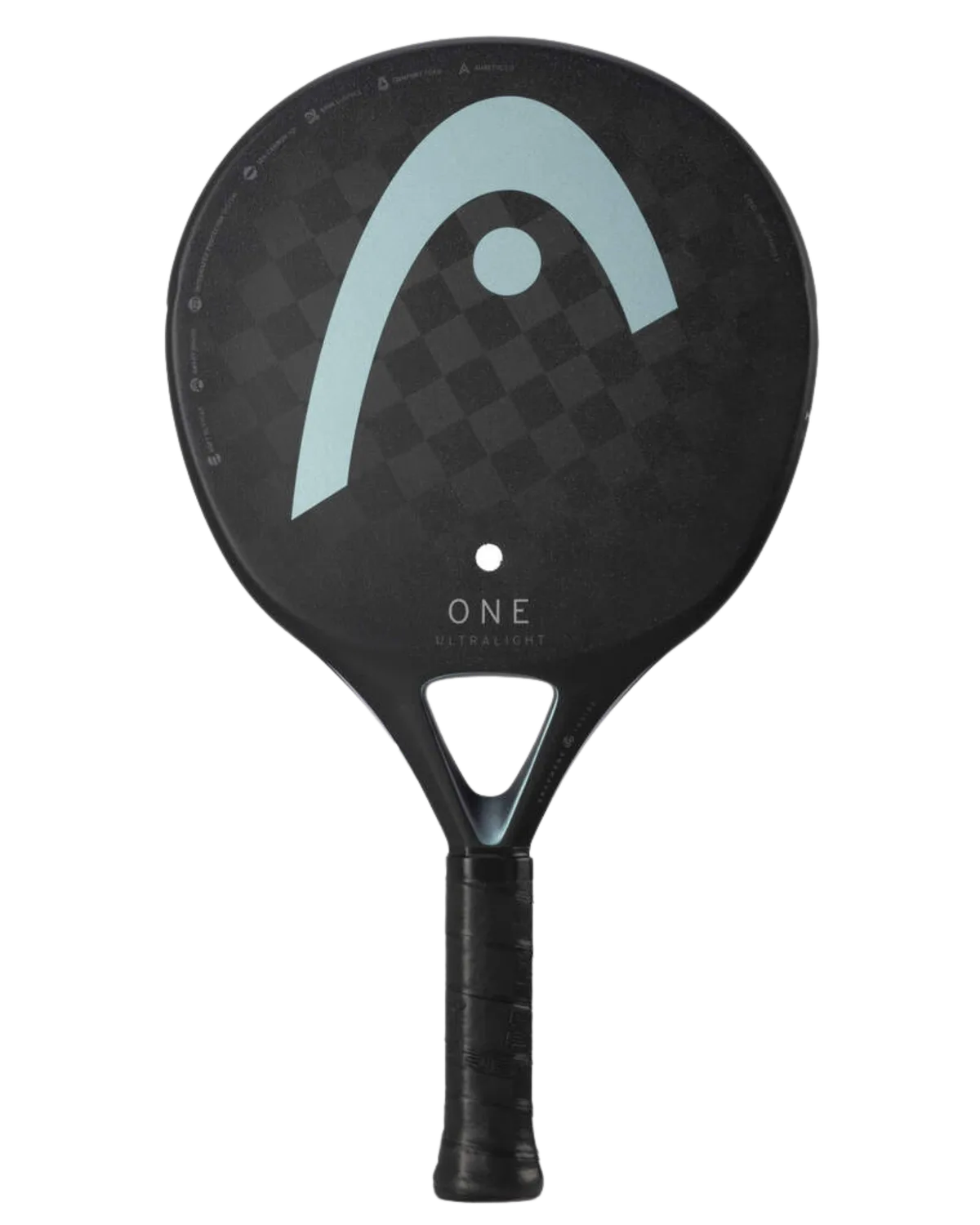
Best ultra-light option
Head One Ultralight Black
A very quick racket for players who want maximum hand speed, easy preparation, and low fatigue.
- Review
- 8.5/10
- Price
- $179.95
- Best for
- Players who get arm fatigue with heavier rackets
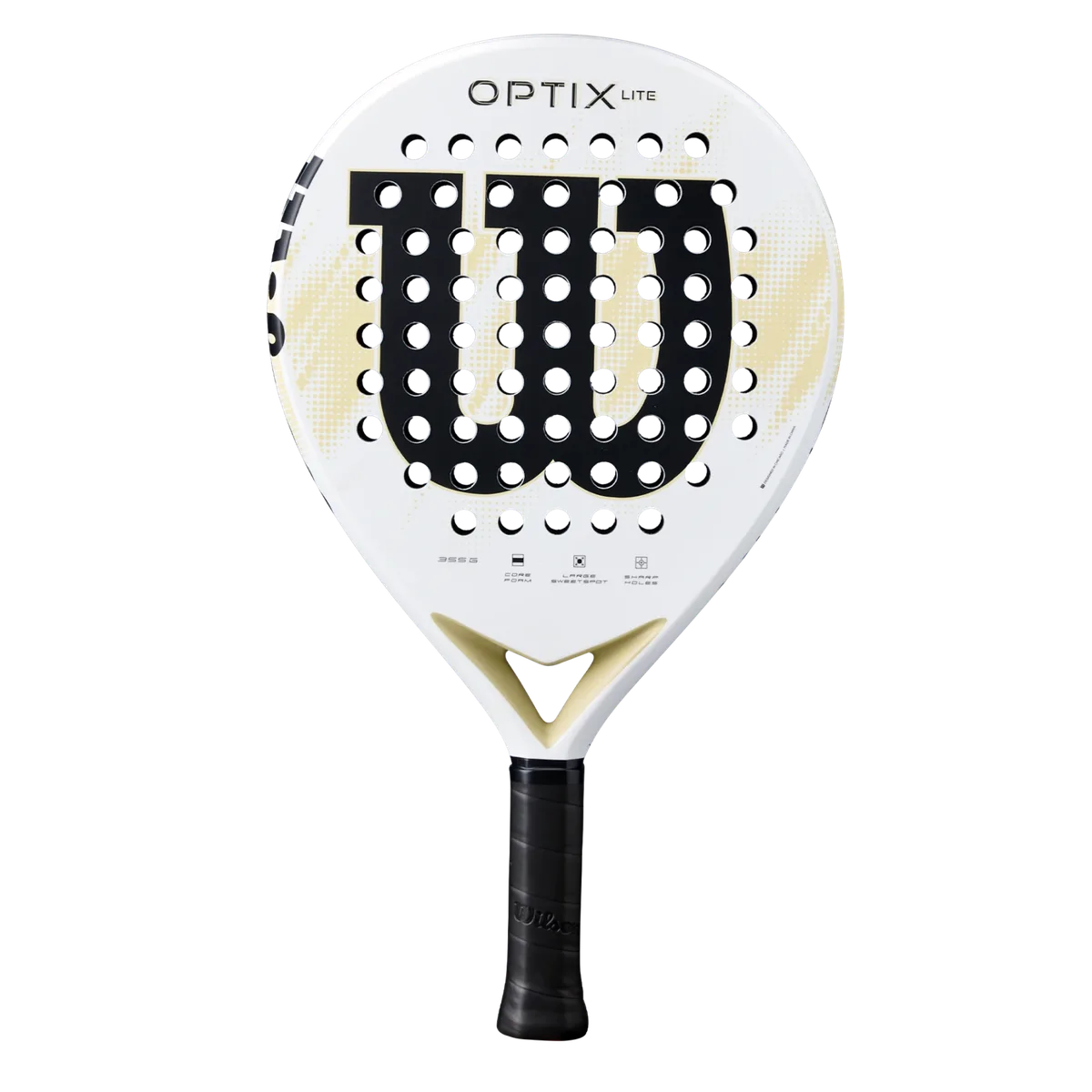
Tool-tested control racket pick
Wilson Optix V2 Lite 2026
A light, control-first beginner racket for cleaner contact and less arm fatigue.
- Review
- 8.2/10
- Price
- $139.00
- Best for
- Beginners and comfort-first players who want easy handling.
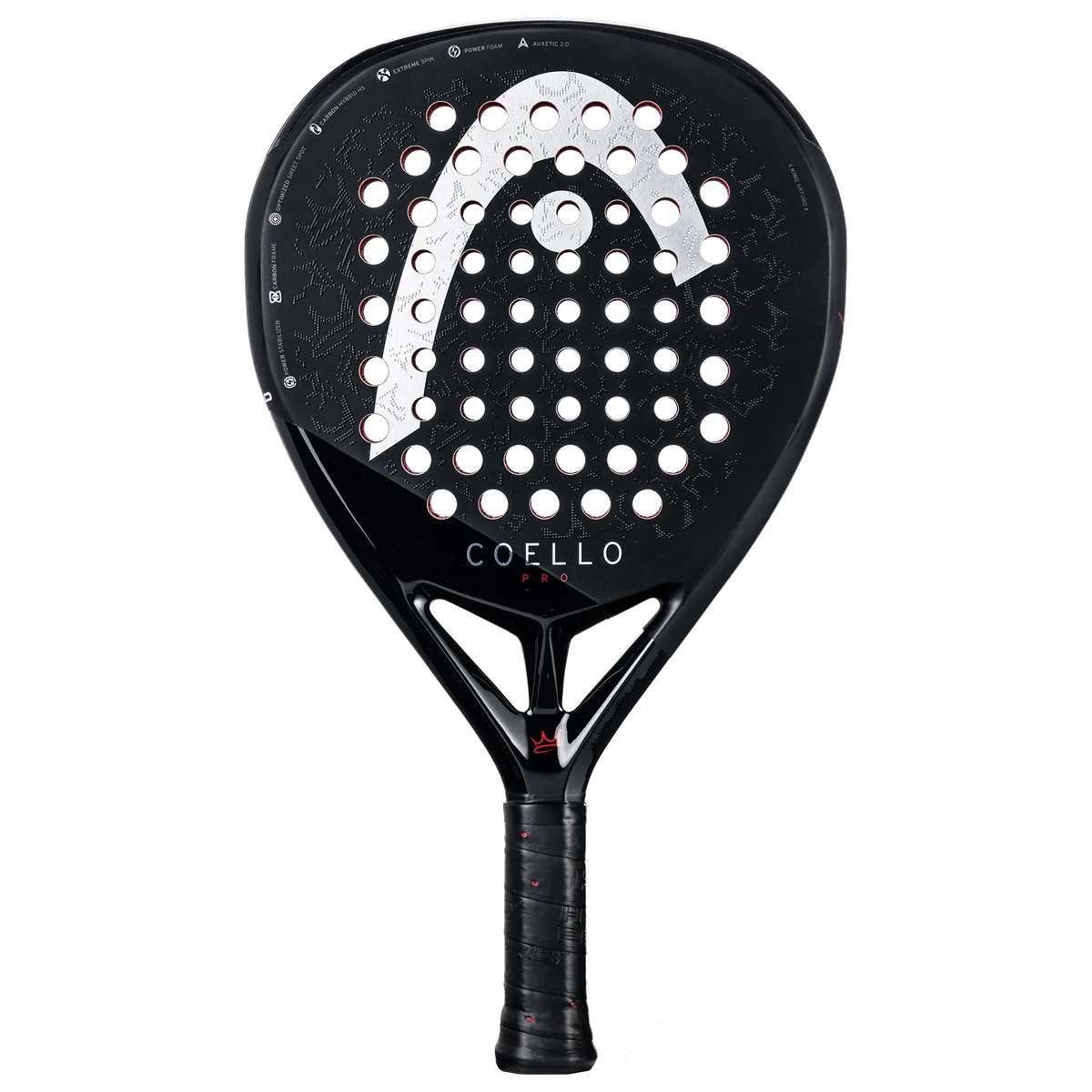
Best heavy finishing power
Head Coello Pro 2025
A pro-style power racket that feels built for players who already attack high balls cleanly.
- Review
- 9.0/10
- Price
- $249.99
- Best for
- Aggressive left-side players who step into overheads
Related Guides and Tools
Next step
Head One Ultralight review
Use this next if you want to turn the guide into a shortlist or a direct product decision.
Next step
Best beginner rackets
Use this next if you want to turn the guide into a shortlist or a direct product decision.
Next step
Balance guide
Use this next if you want to turn the guide into a shortlist or a direct product decision.
Padel racket weight guide FAQ
What is a good padel racket weight for beginners?
Many beginners do well around 350-360 grams because it helps reaction speed and reduces fatigue while learning compact swings. Pick the lightest racket that still feels stable when you block a hard ball, and add a couple of grams of lead tape later if you want more steadiness.
Are heavier padel rackets more powerful?
They can be more stable and generate more power, but only if you can swing them on time for a full match. If a heavier racket makes your volleys late or tires your arm by the second set, the extra weight costs you more in control than it adds in power.
How much do padel rackets weigh?
Most padel rackets fall between 350 and 375 grams, with junior and ultralight models dipping lower. Under 355 g feels very quick and low-fatigue, 355-370 g is the practical middle for most club players, and 370 g and up favors strong advanced players who want stability and power.
Can I add weight to a padel racket?
Yes, lead tape lets you add a few grams exactly where you want them. Tape high on the head adds power, tape on the sides adds twist stability for blocks, and tape near the grip adds comfort without slowing your hands. Add two to four grams at a time and test before adding more.
Does a heavy racket cause arm problems?
A racket that is too heavy for you is a common factor in elbow and shoulder soreness, since you swing it hundreds of times per match. If you have any arm-soreness history or play often in the heat, lean lighter and lower balance, and add stability with tape rather than a heavier frame.
Should women use lighter padel rackets?
Not automatically, but many women intermediates are well served around 355-365 grams for control without arm strain. The real driver is your strength, level, and match length rather than gender, so choose the lightest weight that stays stable against pace and adjust with lead tape if needed.