Padel grip comfort choices
| Grip need | Best direction | Watch out for |
|---|---|---|
| Handle twists | Tacky overgrip | Replace when tack fades |
| Sweaty palm | Absorbent grip plus towel routine | Grip spray is an add-on, not a replacement |
| Handle feels too small | One extra overgrip | Too much build-up reduces feel |
| Forearm feels tense | Fresh comfortable grip and relaxed hold | Persistent pain needs qualified help |
Comfort means relaxed control
A comfortable grip should let your hand stay relaxed while the racket face stays stable. If you squeeze just to keep the handle from moving, the setup is working against you. Comfort is not only about softness; a mushy grip that still lets the handle twist is not comfortable in any meaningful way.
Freshness matters as much as model choice. A worn grip can turn a good handle into a slick, hard surface, and that slickness is what forces the extra grip pressure that tires your hand and forearm. I judge comfort by whether I can hold the racket loosely between shots and only firm up at contact.
- Use tacky grips for secure connection.
- Use absorbent routines for sweat.
- Use one extra overgrip if the handle feels too small.
- Replace grips before they become polished or dirty.
Getting handle size right
Handle size is the most overlooked comfort lever. Padel handles are fairly standard, so most players adjust circumference with overgrips rather than buying different handle sizes. Each overgrip adds roughly 0.5–0.75 mm all around, which changes how your fingers wrap the handle and how hard you have to squeeze.
A quick at-home test: hold the racket in your normal forehand grip and look at the gap between your fingertips and the base of your thumb. If your fingertips dig into your palm, the handle is likely too small and you may be over-squeezing. If you cannot wrap your fingers comfortably, it is too big. A slightly smaller handle allows more wrist snap; a slightly larger one is often calmer for the forearm.
Build the handle up in small steps. Add one overgrip, play a couple of sessions, and only add more if it still feels thin. Chasing softness with three or four stacked grips usually kills feel before it fixes comfort.
- Adjust size in single-overgrip steps.
- Smaller handle: more wrist snap and touch.
- Larger handle: calmer grip pressure for many players.
- Re-check size any time you switch grip brands.
| Symptom | Likely cause | Fix |
|---|---|---|
| Fingertips dig into palm | Handle too small | Add one overgrip or a base build-up |
| Cannot wrap fingers comfortably | Handle too big | Remove a layer or use a thinner overgrip |
| Racket twists on off-center hits | Handle too small or grip worn | Fresh tacky grip, build up slightly |
| Wrist snap feels sluggish | Handle built up too much | Drop back to one overgrip |
Softness, thickness, and feedback
Comfort grips add cushioning that softens the vibration you feel through the handle on hard, off-center hits. That can be welcome for arm-sensitive players and on stiff, powerful rackets. The trade-off is that a very soft, thick grip mutes some feedback, so touch players who rely on feeling the ball may prefer a thinner, firmer wrap.
Think in terms of a spectrum: firm-and-thin for maximum connection and feedback, soft-and-thick for cushioning and reduced sting. Most players land somewhere in the middle with a standard overgrip, and only move toward the cushioned end if their hands or forearm are telling them to.
Care and replacement cadence
Comfort fades with wear. A grip that felt perfect when new goes hard, shiny, and slick as it collects sweat, sunscreen, and court dust. That slickness is what pushes you back into over-squeezing. Treat overgrips as a consumable, not a permanent part of the racket.
As a rough guide, low-sweat players who play weekly get a few weeks per grip, while frequent or heavy-sweat players change theirs every one to two weeks or sooner. Keep a spare in the bag so a dead grip never forces you to play a whole session fighting the handle.
- Replace at the first sign of a shiny, slick surface.
- Wipe the handle down after hot, sweaty sessions.
- Store the racket out of hot car trunks to slow grip hardening.
- Keep at least one spare overgrip in every bag.
Comfort by player type
Grip comfort priorities shift with how you play. Beginners benefit most from a secure, tacky feel and a slightly built-up handle, because it stops the over-squeezing that comes with tense, learning hands. Aggressive players who hit hard, flat smashes often want a firmer, thinner setup for a raw connected feel on the ball.
Touch and control players who live on the wall and rely on soft blocks tend to prefer a grip that gives clear feedback without cushioning it away, while arm-sensitive players lean toward softer, cushioned wraps and a slightly larger handle. Match the grip to your game rather than copying whatever a pro uses.
- Beginner: tacky, slightly built-up handle for security.
- Aggressive smasher: firm, thin wrap for raw feel.
- Touch/control player: feedback-focused grip, minimal cushioning.
- Arm-sensitive player: cushioned grip and slightly larger handle.
Comfort does not replace medical advice
A better grip can reduce slipping and over-squeezing for some players, but it cannot diagnose, prevent, or cure elbow, wrist, or shoulder pain.
If pain persists, get qualified clinical advice and treat gear as only one part of the comfort picture.
| Problem | Best page | Why |
|---|---|---|
| Need more tack | Best tacky padel overgrips | Focuses on secure handle feel |
| Hands sweat | Best grips for sweaty hands | Focuses on sweat and grip aids |
| Handle feels harsh | Best comfort padel overgrips | Focuses on relaxed feel |
| Arm-sensitive setup | Tennis elbow guide | Keeps comfort advice conservative |
Related Reviews
These are the reviews I would open next if this guide describes the decision you are trying to make.
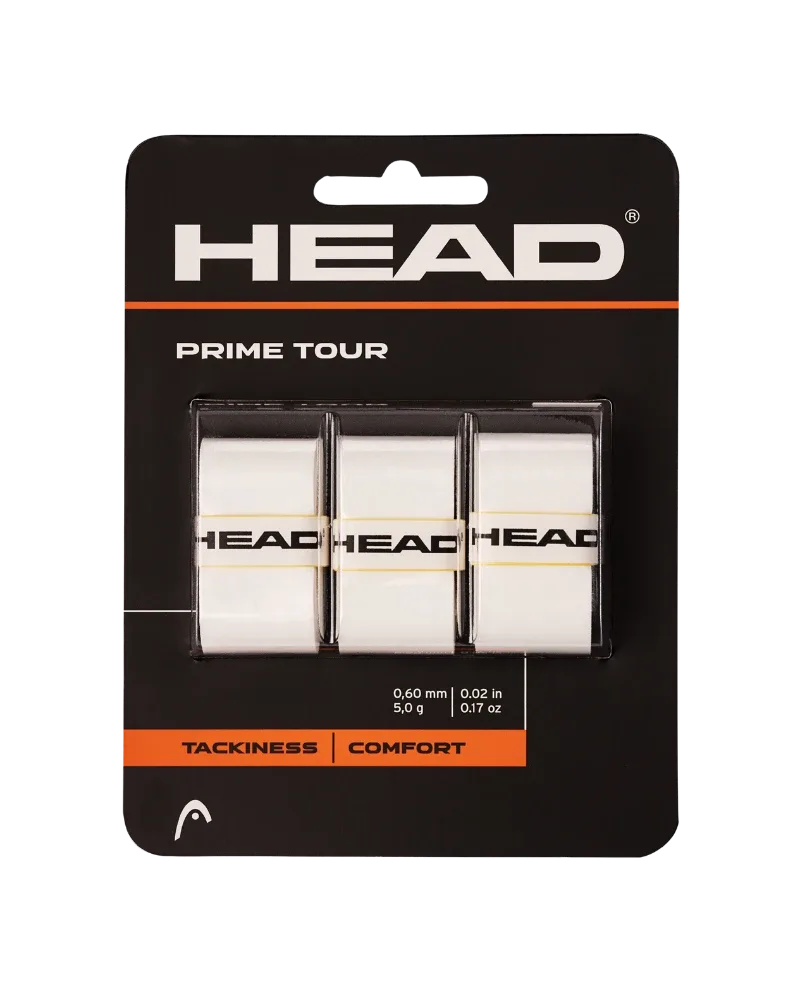
Tool-tested setup accessory pick
Head Prime Tour 3 pcs Pack
A small spare-overgrip pack for fresh feel without buying a bulk roll.
- Review
- 8.3/10
- Price
- $8.50
- Best for
- A small spare-overgrip pack for fresh feel without buying a bulk roll.
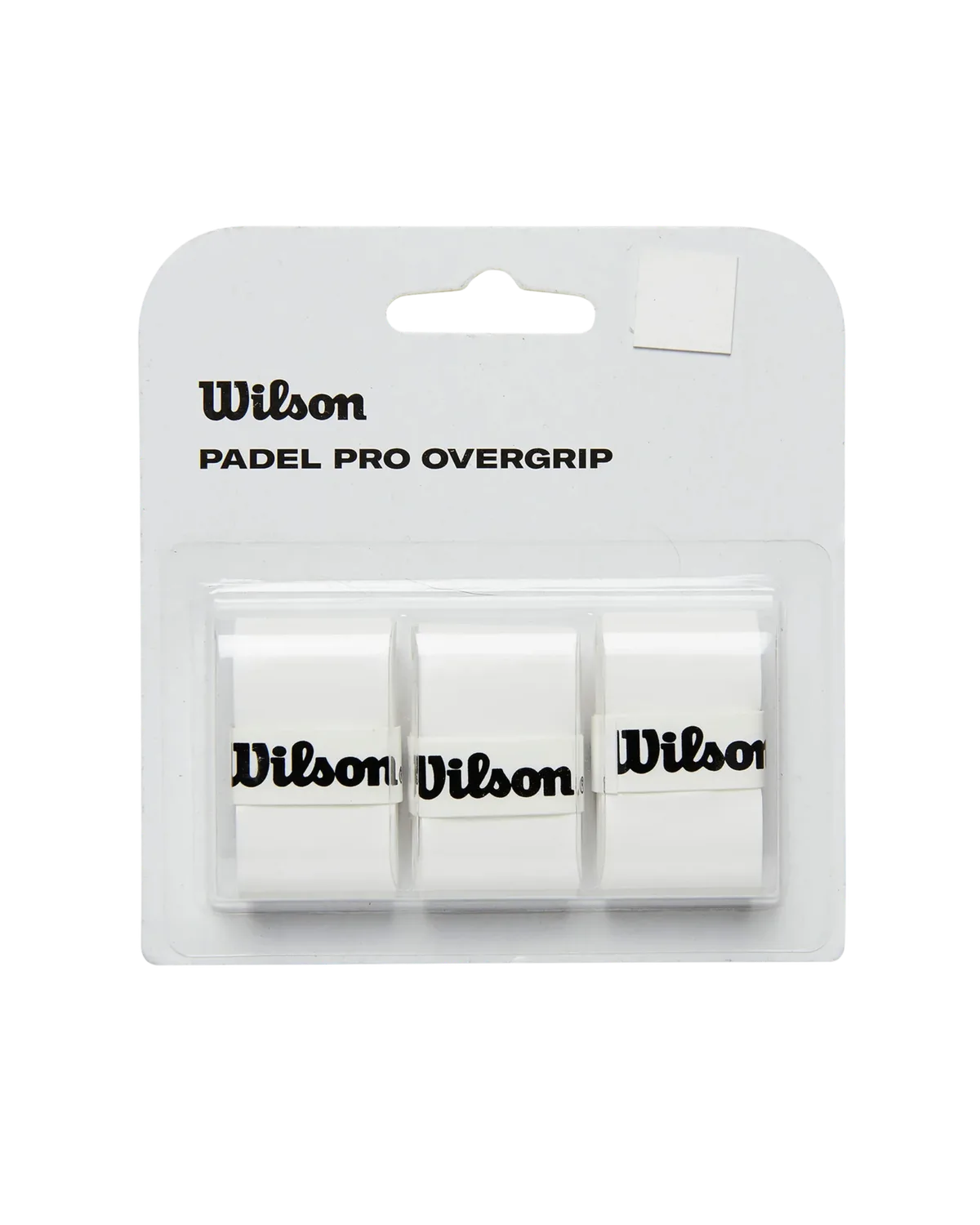
Tool-tested setup accessory pick
Wilson Pro Overgrip 3pcs Pack WH
A beginner-friendly spare overgrip pack for better tack and a cleaner handle feel.
- Review
- 8.2/10
- Price
- $9.00
- Best for
- A beginner-friendly spare overgrip pack for better tack and a cleaner handle feel.
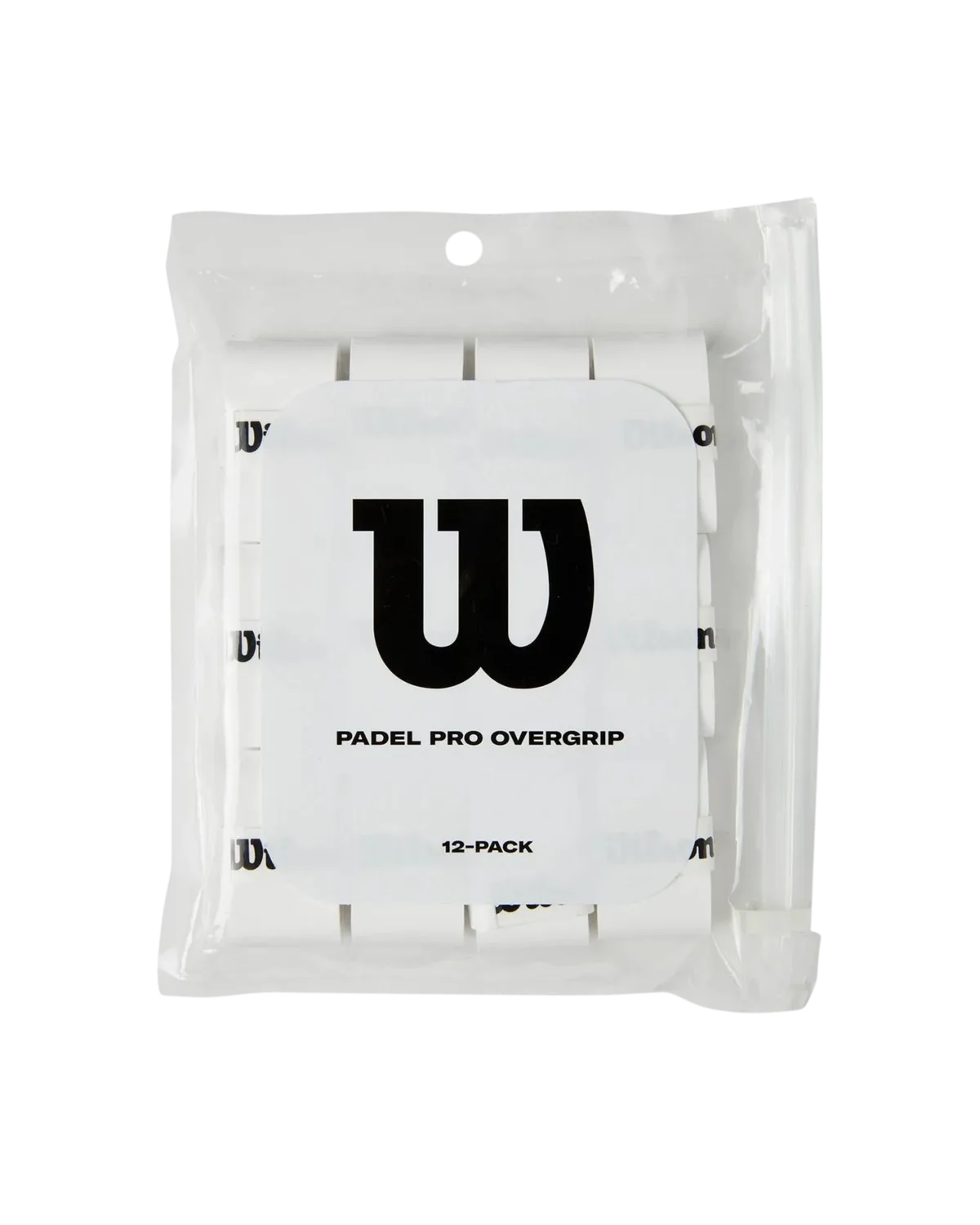
Tool-tested setup accessory pick
Wilson Pro Padel Overgrip White - 12 pack
A bulk overgrip option for players who expect to play often.
- Review
- 8.2/10
- Price
- $27.00
- Best for
- A bulk overgrip option for players who expect to play often.
Related Guides and Tools
Next step
Best comfort padel overgrips
Use this next if you want to turn the guide into a shortlist or a direct product decision.
Next step
Best tacky padel overgrips
Use this next if you want to turn the guide into a shortlist or a direct product decision.
Next step
Best grips for sweaty hands
Use this next if you want to turn the guide into a shortlist or a direct product decision.
Padel grip comfort guide FAQ
What makes a padel grip comfortable?
A comfortable padel grip lets the hand stay relaxed while the racket face stays secure. Freshness, tack, absorption, and handle size all matter.
Should I use a thicker padel grip?
Use one extra overgrip if the handle feels too small, but avoid building the handle so much that feel and maneuverability suffer.
Can a padel grip fix elbow pain?
No. A better grip can reduce slipping and over-squeezing for some players, but persistent elbow pain should be assessed by a qualified professional.
How do I know if my padel handle is the wrong size?
Hold your normal forehand grip and check your fingertips: if they dig into your palm, the handle is likely too small; if you cannot wrap them comfortably, it is too big. A too-small handle often makes players over-squeeze, which reduces comfort.
Do softer grips reduce vibration in padel?
A soft, cushioned overgrip absorbs some of the sting you feel on hard, off-center hits, which can help arm-sensitive players and stiff rackets. The trade-off is slightly muted feedback, so touch players may prefer a thinner, firmer wrap.
How often should I replace a grip for comfort?
Replace an overgrip as soon as it feels shiny, slick, or hard, since that is when it pushes you back into over-squeezing. Weekly low-sweat players get a few weeks per grip, while heavy sweaters may change theirs every one to two weeks.