Padel bag size guide
| Bag type | Best for | What to check |
|---|---|---|
| Backpack | One racket and light essentials | Racket sleeve, bottle space, small accessory pocket |
| Compact padel bag | Weekly players who keep gear simple | Room for balls, grips, towel, and one or two rackets |
| Full padel bag | League nights and tournaments | Shoe space, racket protection, carry comfort |
| Starter bundle bag | New players starting from zero | Whether the included bag fits your actual routine |
Start with what you carry
If you bring shoes, a towel, spare clothes, overgrips, balls, and water, a tiny bag will become annoying quickly. If you only carry one racket to casual sessions, a full bag may be unnecessary.
The best bag is the one that keeps the clean items, sweaty items, and fragile items from fighting each other.
- Choose a shoe compartment if you change footwear at the club.
- Choose structure if your racket rides in a car trunk or shared storage.
- Choose compact size if you walk or bike to courts.
Organization beats raw capacity
A bag can be large and still frustrating if balls, grips, keys, and accessories all end up in the same pocket. Useful compartments matter more than empty liters.
Bag types and capacity
Padel bags fall into three broad families. A backpack (roughly 25 to 35 liters) holds one or two rackets in a padded sleeve plus a bottle and small essentials. A compact or medium bag (about 35 to 55 liters) adds room for balls, a towel, and light clothes. A full racket bag or tournament paletero (55 liters and up, often with two main compartments) swallows multiple rackets, shoes, and a change of clothes.
Capacity is only half the story. A well-divided 40-liter bag beats a cavernous 60-liter bag with one giant pocket, because organization is what actually saves you time before a match.
| Type | Rough capacity | Fits | Best for |
|---|---|---|---|
| Backpack | 25 to 35 L | 1 to 2 rackets, bottle, small pocket | Commuters and light sessions |
| Compact bag | 35 to 45 L | 2 rackets, balls, towel, grips | Weekly players |
| Full racket bag | 45 to 55 L | 2 to 3 rackets, shoes, clothes | League nights |
| Tournament paletero | 55 L and up | Multiple rackets, full kit | Frequent competitors |
Racket protection and thermal lining
The main job of a padel bag is protecting the frame. Look for a padded, structured racket sleeve rather than a loose pocket where the head can knock around. Many bags add a thermal-lined compartment, which slows heat transfer and is genuinely useful in the US, where a car trunk in summer can cook a racket's foam and any balls inside.
Thermal lining is not magic and will not keep gear cold for hours, but it buys you protection during short stops. The bigger habit is simply not leaving your bag baking in the car between sessions.
- Padded, structured racket sleeve to stop frame knocks.
- Thermal compartment if your gear rides in a hot trunk.
- A stiff base or panel so the bag stands and protects contents.
- Water-resistant fabric if you play outdoors in variable weather.
Carry comfort and durability
If you walk, bike, or take transit to the club, carry comfort matters as much as capacity. Padded, adjustable backpack straps and a breathable back panel make a loaded bag bearable. Check the zippers and seams too, since those are the first things to fail on a bag that gets thrown in a trunk several times a week.
A slightly more expensive bag with solid zippers and straps usually outlasts two cheap bags, so buy once if you play regularly.
- Padded backpack straps for walking or transit commutes.
- Chunky, smooth zippers that survive frequent use.
- Reinforced base and handles for trunk loading.
- Ventilated shoe or wet-gear pocket to cut odor.
Choose your bag in five minutes
You do not need to overthink this. Empty your current kit onto a table, sort it into rackets, wet or sweaty items, and small accessories, then buy the smallest bag that keeps those three groups separated. If shoes travel with you, a shoe compartment or a full bag jumps to the top of the list.
Match the bag to your real routine, not the routine you imagine having, and you will pack faster and forget less.
Related Reviews
These are the reviews I would open next if this guide describes the decision you are trying to make.
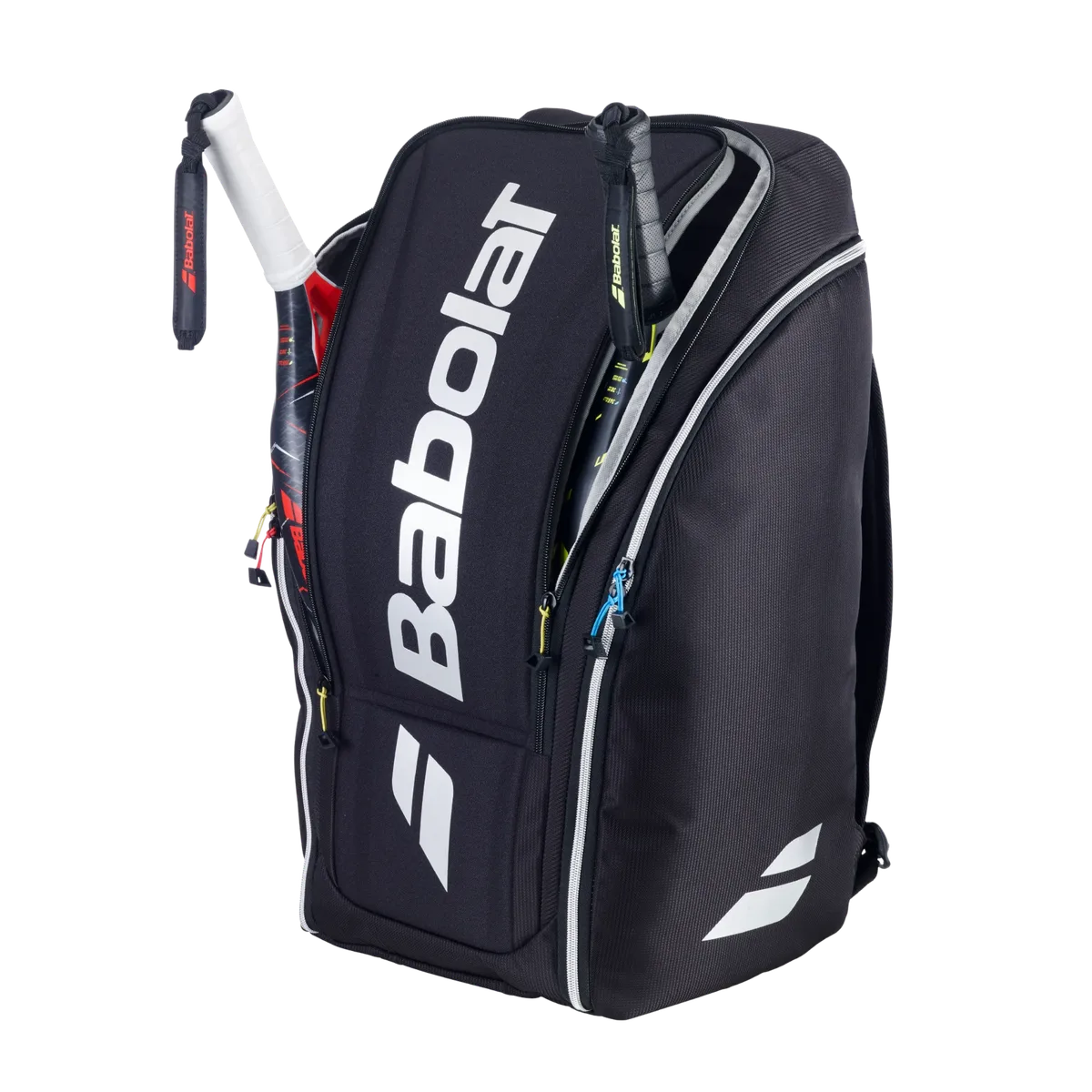
Tool-tested padel bag pick
Babolat RH PERF PADEL 2nd Gen
A fuller bag for players carrying shoes, a towel, extra balls, and accessories.
- Review
- 8.3/10
- Price
- $109.95
- Best for
- A fuller bag for players carrying shoes, a towel, extra balls, and accessories.
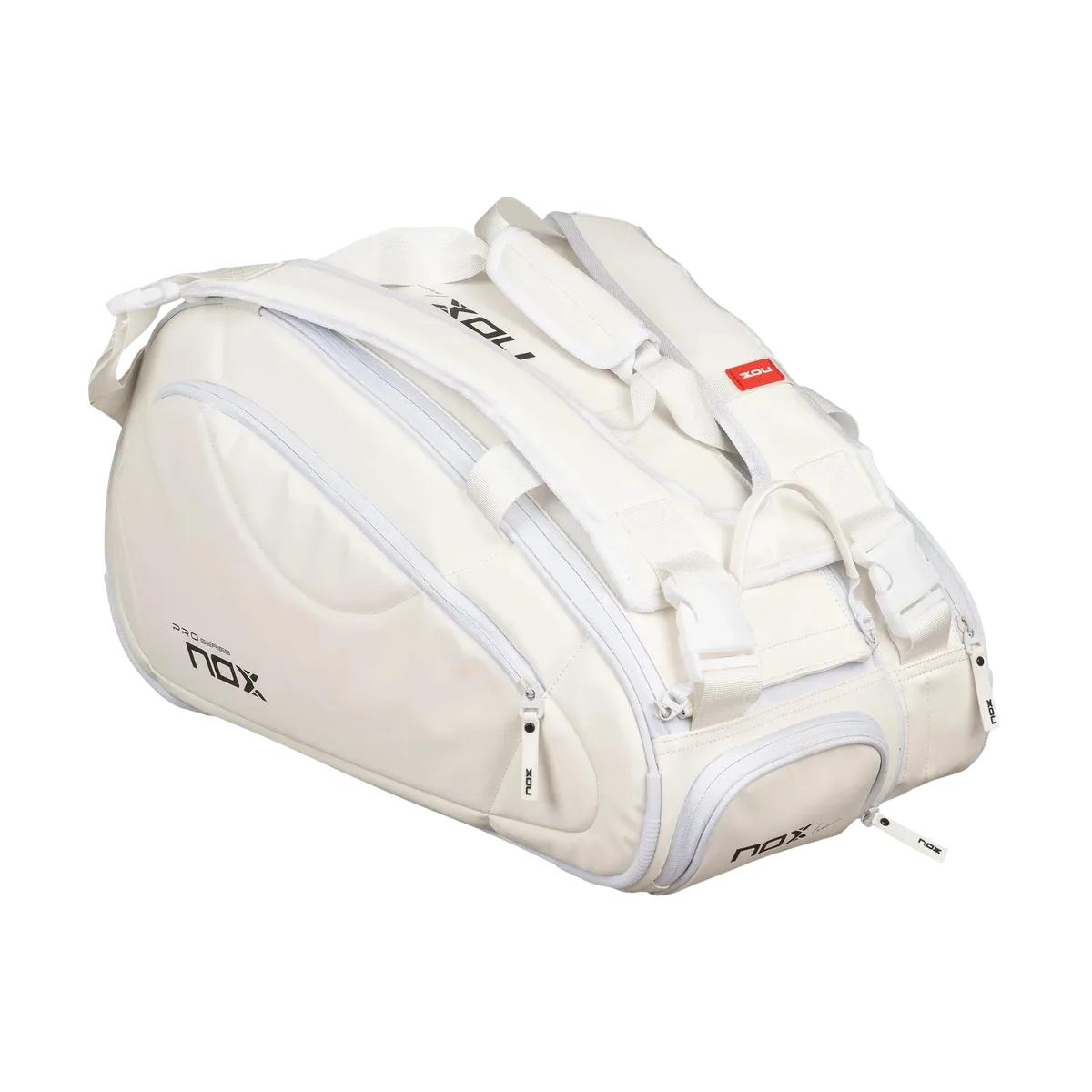
Tool-tested padel bag pick
Nox Pro Series Padel Bag
A bigger premium bag when you want room to grow into a regular routine.
- Review
- 8.3/10
- Price
- $129.00
- Best for
- A bigger premium bag when you want room to grow into a regular routine.
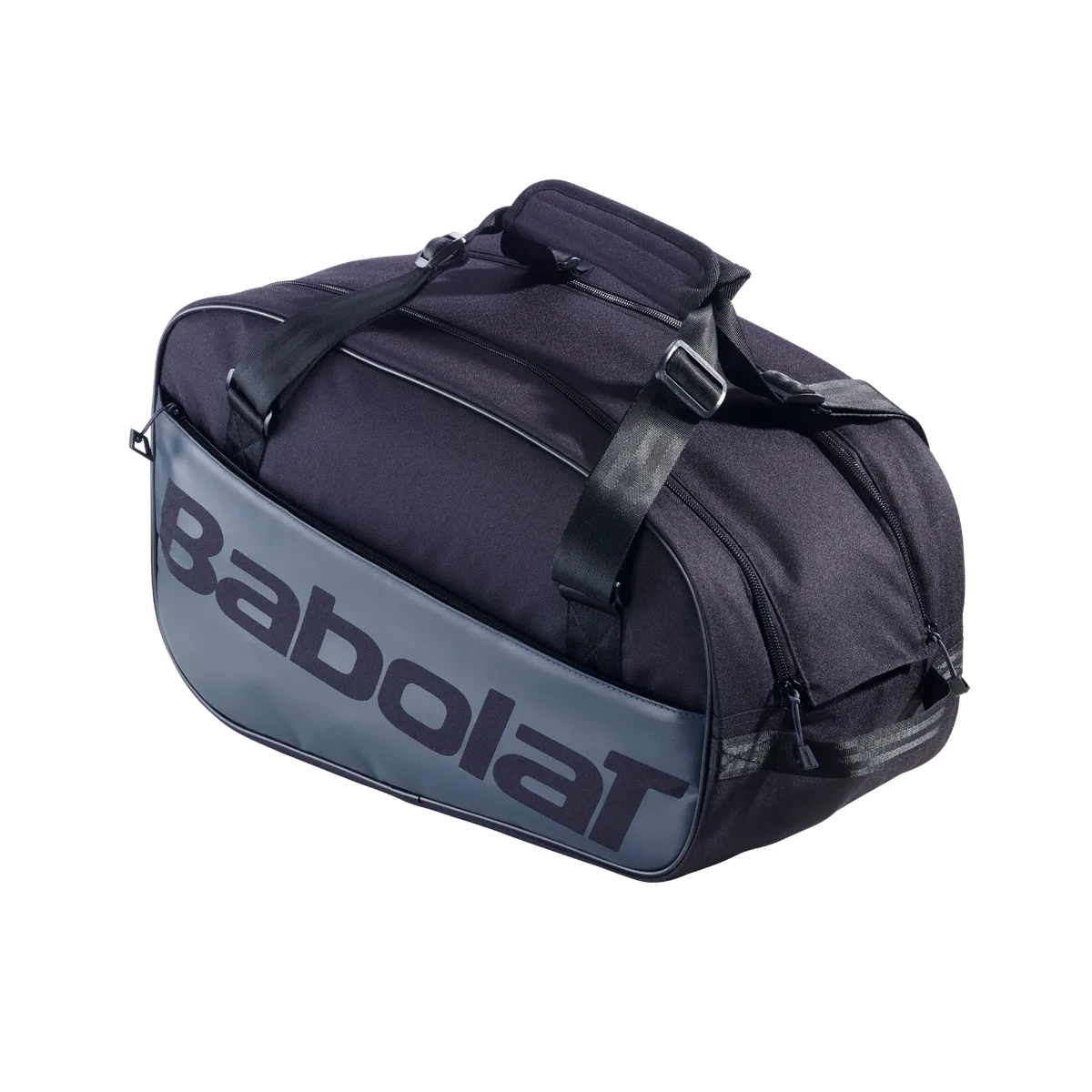
Tool-tested padel bag pick
Babolat COURT S Padel Bag
A compact racket bag that keeps the starter setup organized without overbuying.
- Review
- 8.3/10
- Price
- $84.95
- Best for
- A compact racket bag that keeps the starter setup organized without overbuying.
Related Guides and Tools
Next step
Best padel bags
Use this next if you want to turn the guide into a shortlist or a direct product decision.
Next step
What to keep in a padel bag
Use this next if you want to turn the guide into a shortlist or a direct product decision.
Next step
Padel bag sizes guide
Use this next if you want to turn the guide into a shortlist or a direct product decision.
Next step
Best compact padel bags
Use this next if you want to turn the guide into a shortlist or a direct product decision.
Next step
Complete gear checklist
Use this next if you want to turn the guide into a shortlist or a direct product decision.
Next step
Beginner setup builder
Use this next if you want to turn the guide into a shortlist or a direct product decision.
How to choose a padel bag FAQ
Is a padel backpack enough?
A padel backpack is enough if you carry one racket and light essentials. It becomes limiting when you regularly carry shoes, clothes, towels, balls, and spare accessories.
Should a padel bag have thermal racket protection?
Thermal protection can be useful if your bag sits in heat or cold, but size, organization, and shoe separation matter more for most club players. It slows heat transfer during short stops but will not keep gear cool for hours in a hot trunk.
What size padel bag do I need?
Match the size to your kit: a backpack around 25 to 35 liters for one or two rackets and essentials, a compact bag of 35 to 45 liters for weekly gear, or a full bag of 45 liters and up if shoes and clothes travel with you.
Do I need a shoe compartment?
A shoe compartment is worth it if you change footwear at the club, because it keeps sweaty soles away from grips, towels, and clean clothes. If you always arrive in your court shoes, you can skip it and choose a smaller bag.
How many rackets should a padel bag hold?
Most players are fine with a bag that protects one or two rackets. Carry a two- or three-racket bag only if you genuinely rotate frames or want a backup on hand for league nights and tournaments.
Is an expensive padel bag worth it?
If you play weekly, a sturdier bag with solid zippers, padded straps, and a structured racket sleeve usually outlasts two cheap bags. For occasional players, a simple backpack is plenty.