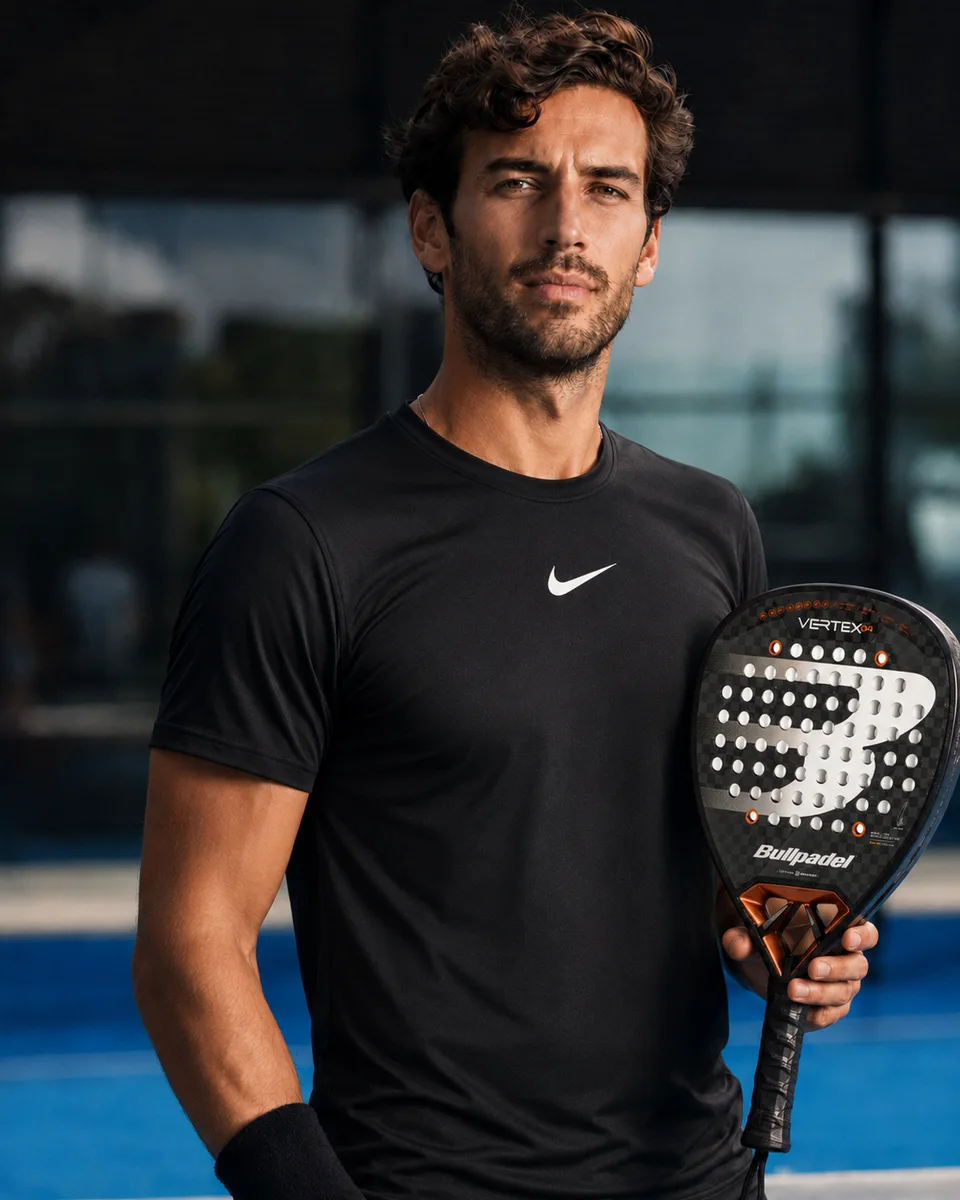
Padel racket foam comparison
| Foam feel | Best at | Who it helps | Watch out for |
|---|---|---|---|
| Soft | Comfort and easy rebound | Beginners, slower swings, arm-sensitive players | Can launch too much under hard swings |
| Medium | Balanced response | Most intermediates | Not the plushest or most explosive |
| Hard | Direct response and fast-swing precision | Advanced players | Less forgiving and more arm-demanding |
Why foam changes the same shot
A soft core can help the ball leave the racket with less effort. That is useful on lobs, blocks, and beginner rallies where clean acceleration is not always there. The foam compresses more on contact, stores energy, and gives it back, so you get depth without swinging out of your shoes.
A hard core usually gives less free rebound. Strong players may like that because the racket stays more predictable at high swing speed, and the ball goes exactly where the swing sends it rather than springing off. The trade-off is that a slow swing into hard foam can feel dead and short.
So the same block, lob, or drive behaves differently depending on foam because the core decides how much of the work the racket does versus how much you do. Match that to your swing speed and your goal on the shot. Foam also interacts with the racket's shape and sweet spot, so read them together.
- Choose soft foam if you need help with depth or comfort.
- Choose medium foam if you want the safest all-court answer.
- Choose hard foam if you already swing fast and want a direct response.
EVA vs FOAM cores
Two core materials dominate the market: EVA rubber and polyethylene FOAM (often labeled just "FOAM" or "soft"). They are not the same thing, and the label on the box tells you a lot about how the racket will play before you ever hit with it.
EVA is denser and more consistent. It comes in soft, medium, and hard densities, holds its feel over more sessions, and is what most control and pro-level rackets use. FOAM cores are softer and more elastic by nature, which gives easy pop and comfort but tends to feel less precise and to break down a little faster.
Neither is better in the abstract. A hard EVA suits an advanced attacker; a FOAM or soft-EVA core suits a beginner or an arm-sensitive player who wants easy depth and a plush impact.
| Core type | Feel | Rebound | Best for |
|---|---|---|---|
| Soft EVA | Cushioned, forgiving | Medium-high | Improvers wanting comfort with EVA consistency |
| Medium EVA | Balanced | Medium | All-court intermediates |
| Hard EVA | Firm, direct, precise | Lower, controlled | Advanced fast swingers |
| Polyethylene FOAM | Very soft, springy | High and easy | Beginners and arm-sensitive players |
Temperature: soft, medium, and hard in cold vs hot weather
Foam is not a fixed feel; it changes with court temperature, and this catches a lot of US players out when they move between a chilly winter indoor session and a hot summer outdoor court. Cold makes foam stiffer and firmer; heat makes it softer and springier.
That means a hard-EVA racket that feels precise in July can feel harsh and boardy on a cold January morning, and a soft or FOAM racket that feels lively in summer can feel a touch too springy in the heat. If you play year-round in a big temperature swing, medium EVA is the most stable choice because it drifts less at both ends.
A practical move is to keep your racket at room temperature before you play. Ten minutes out of a freezing car trunk lets a cold, stiff core return to its normal feel and reduces the harsh shock that a cold hard core can send into your arm.
- Cold courts: foam firms up, hard cores feel harsher and less comfortable.
- Hot courts: foam softens, soft and FOAM cores feel springier and can over-launch.
- Big seasonal swings: medium EVA stays most consistent year-round.
- Let a cold racket warm to room temperature before your first serve.
How foam ages and softens over time
Foam does not last forever. Every impact compresses the core a little, and over months of regular play the foam gradually softens and loses some of its original rebound and precision. This is normal wear, not a defect.
FOAM and soft-EVA cores show it first, often feeling noticeably mushier and less lively after heavy use. Hard EVA holds its feel longer, which is one reason it is popular with players who practice a lot. If your once-crisp racket now feels dead, short, or vague, the core has likely aged rather than your technique falling apart.
Heat accelerates the process. A racket repeatedly cooked in a hot car trunk ages faster than one stored at room temperature, so how you look after the racket directly affects how long the foam feel lasts. If your arm is already sensitive, our tennis elbow gear guide covers foam alongside other comfort factors.
Foam works with shape, balance, and surface
A soft diamond is not automatically easy, and a hard round racket is not automatically impossible. Foam works with balance, face material, surface texture, and your swing speed. Read the whole recipe, not one ingredient.
The most forgiving combination on the market is a soft or FOAM core in a round, low-balance frame. The most demanding is a hard EVA core in a high-balance diamond with a stiff carbon face. Most rackets live sensibly between those poles, so use foam to fine-tune comfort once shape and balance have set the character.
- Soft core + round + low balance = maximum comfort and depth.
- Medium core + teardrop + medium balance = safest all-court blend.
- Hard core + diamond + high balance = maximum power, least forgiveness.
Common foam mistakes
The biggest mistake is buying hard EVA for power when your swing is not fast enough to load it. Slow swings into hard foam feel dead and short, so you actually lose depth. Power comes from the core giving energy back, and only a fast swing gets that from a hard core.
The second mistake is chasing the softest possible feel and then framing shots because the ball sits on the strings too long and launches unpredictably. If your fast drives sail long, a slightly firmer core will settle them. Match foam density to how hard and how cleanly you actually swing, not to how comfortable it feels on a gentle warmup tap.
- Do not buy hard foam for power if your swing is slow; it will feel dead.
- Do not chase the softest core if your drives already sail long.
- Do not judge foam cold; let the racket reach normal temperature first.
- Do not blame your technique before checking whether an old core has softened.
Related Reviews
These are the reviews I would open next if this guide describes the decision you are trying to make.
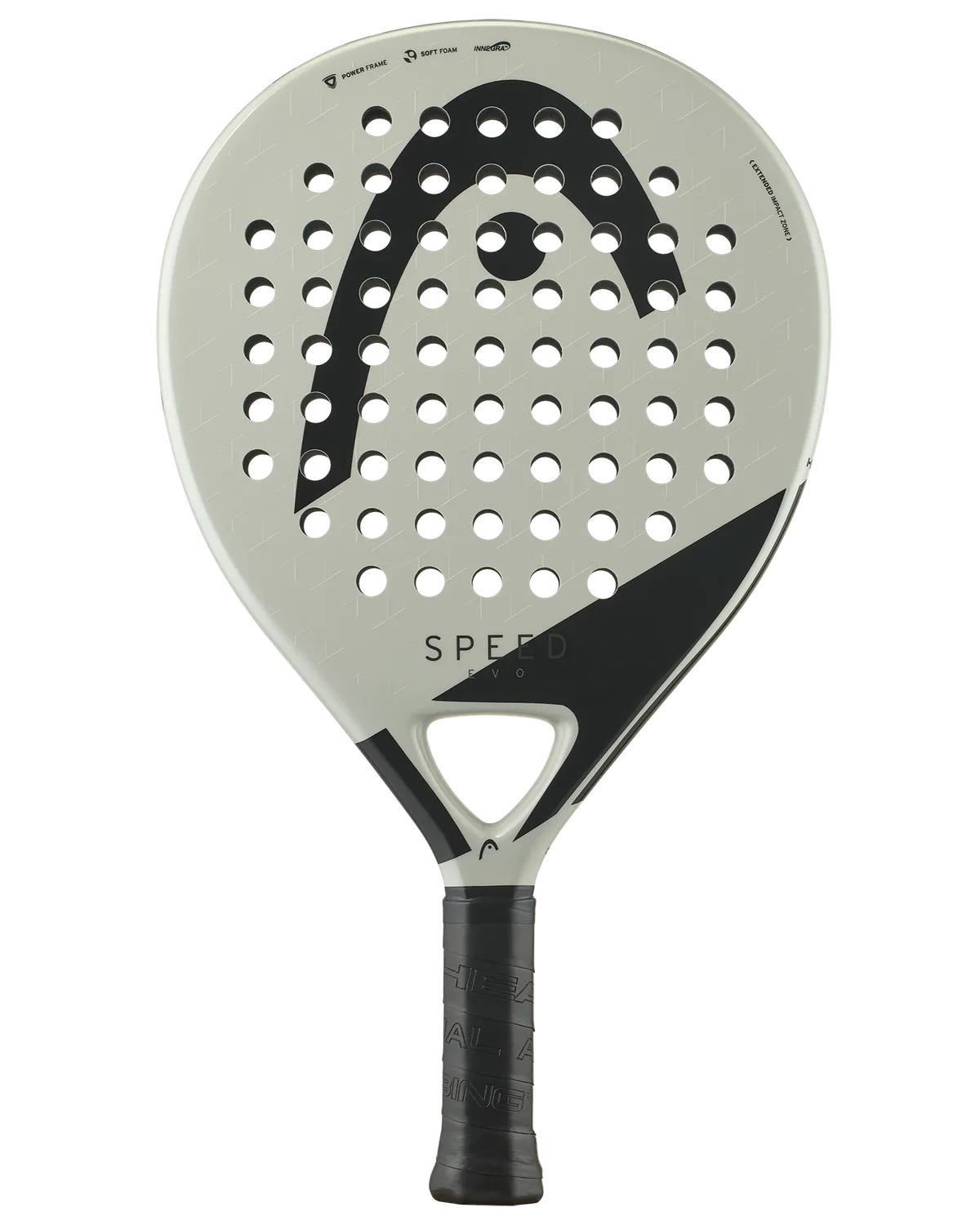
Best beginner value
Head Evo Speed
An affordable, easy-launching racket that helps new players learn padel patterns without punishing every late contact.
- Review
- 8.6/10
- Price
- $99.95
- Best for
- First racket buyers who want a real padel frame under $150
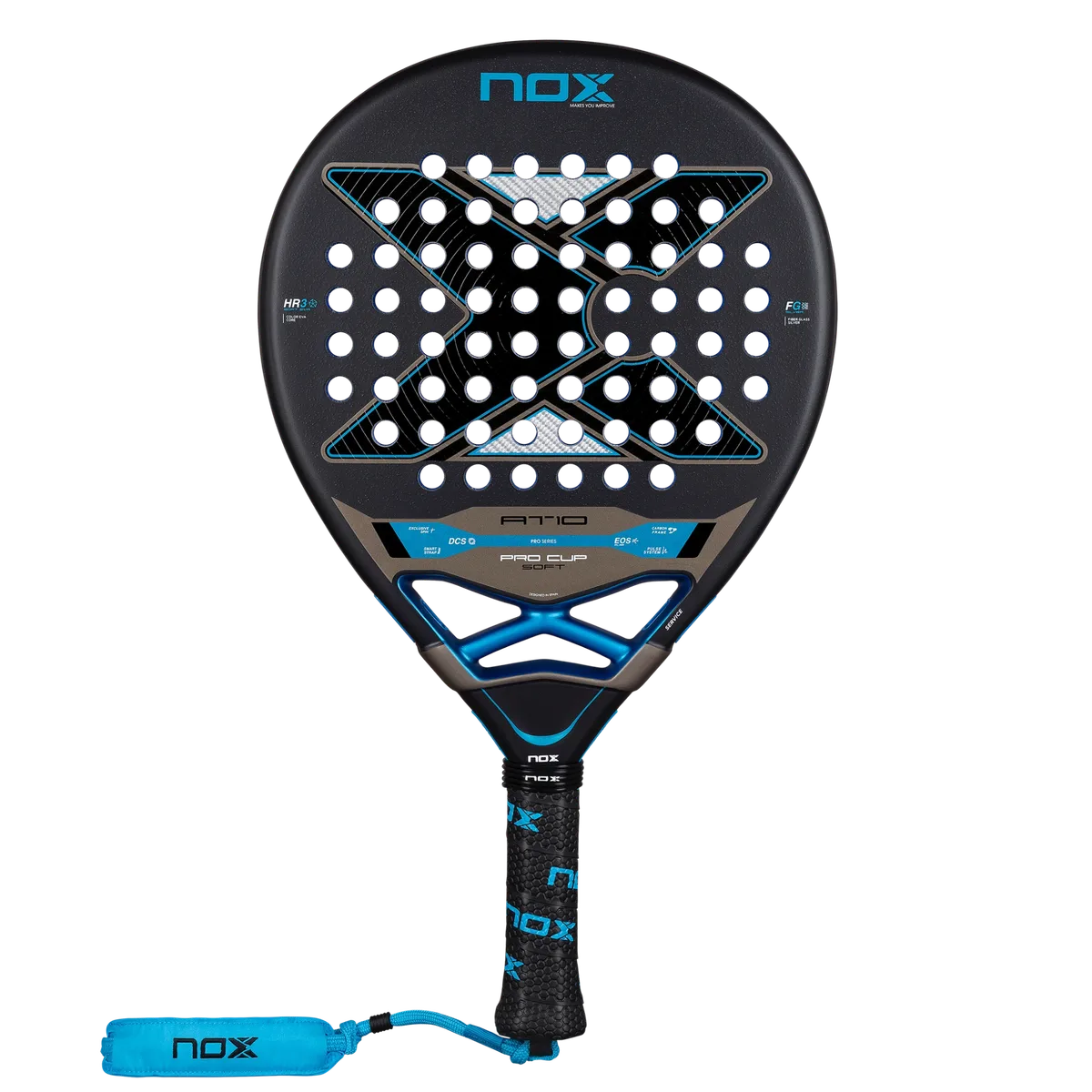
Tool-tested control racket pick
Nox AT10 Pro Cup Soft
Nox AT10 Pro Cup Soft is a smart fit when you want a teardrop padel racket with all court control behavior rather than a random catalog pick.
- Review
- 7.8/10
- Price
- $245.00
- Best for
- All-court players who want control, comfort, and enough power to finish points.
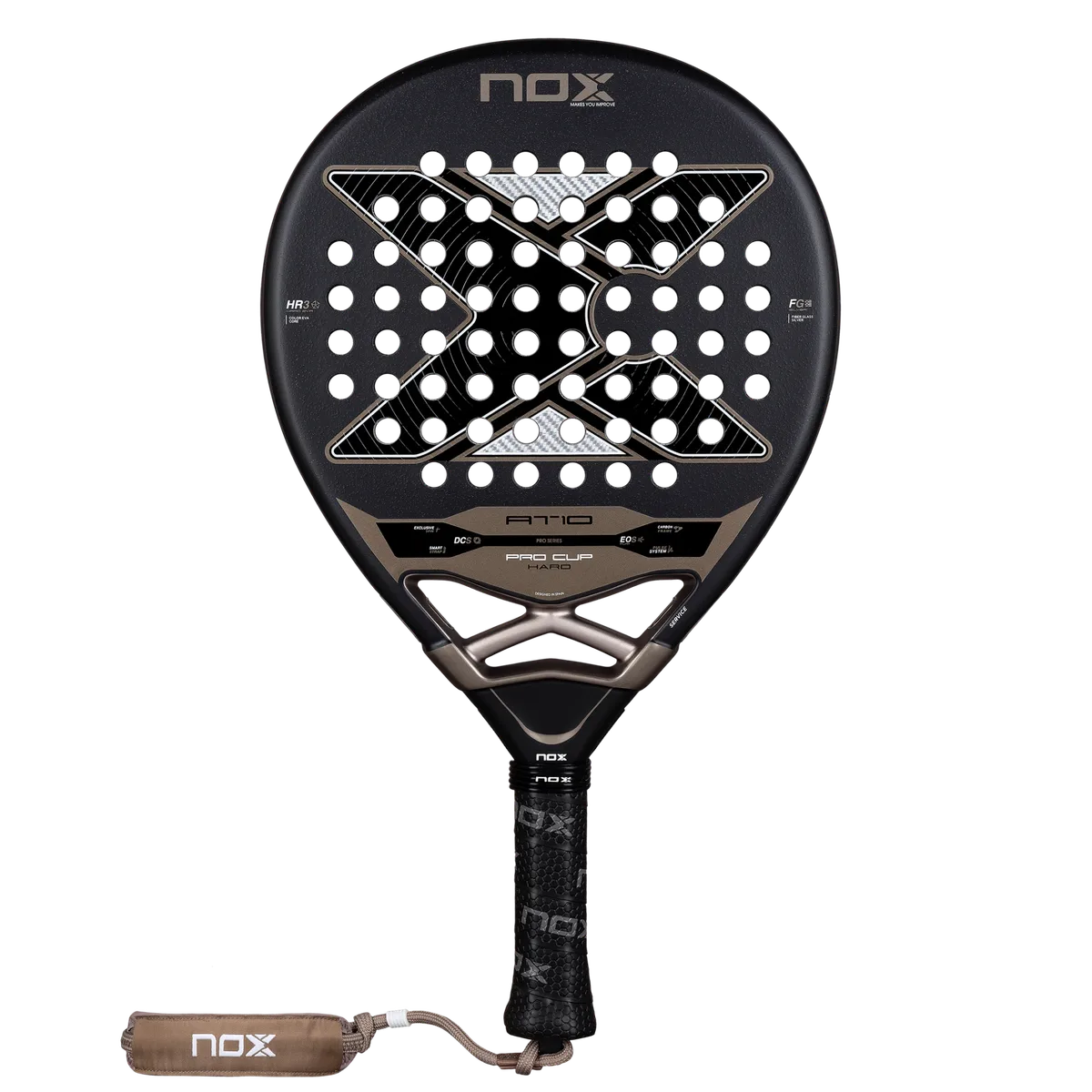
Tool-tested power racket pick
Nox AT10 Pro Cup Hard
Nox AT10 Pro Cup Hard is a smart fit when you want a teardrop padel racket with firmer all court behavior rather than a random catalog pick.
- Review
- 7.6/10
- Price
- $245.00
- Best for
- Players who like the AT10 shape but want a firmer, more direct response.
Related Guides and Tools
Next step
Nox brand hub
Use this next if you want to turn the guide into a shortlist or a direct product decision.
Next step
Best beginner rackets
Use this next if you want to turn the guide into a shortlist or a direct product decision.
Next step
Tennis elbow gear guide
Use this next if you want to turn the guide into a shortlist or a direct product decision.
Soft foam vs hard foam padel rackets FAQ
Is soft foam better for beginners?
Soft foam is usually easier for beginners because it compresses more on contact and gives back easy depth with less effort, plus a more comfortable impact. That said, the full racket shape and balance still matter, so pair a soft or FOAM core with a round, low-balance frame for the friendliest setup.
Do hard foam rackets have more power?
They can for advanced players with fast swings, because a hard core returns energy sharply when you load it properly. For slower swings, hard foam often feels less powerful and even dead, since a gentle swing cannot compress the core enough to get that rebound back.
What is the difference between EVA and FOAM cores?
EVA is a denser rubber that comes in soft, medium, and hard densities, holds its feel longer, and is common in control and pro rackets. Polyethylene FOAM is softer and springier by nature, giving easy pop and comfort but usually feeling less precise and breaking down a little faster.
Does cold weather change how racket foam feels?
Yes. Cold stiffens foam, so a hard core feels harsher and can sting the arm, while heat softens foam and makes soft cores springier. If you play in big seasonal swings, medium EVA stays most consistent, and letting a cold racket warm to room temperature before playing helps a lot.
Does padel racket foam wear out?
Yes. Every impact compresses the core slightly, so over months of play the foam softens and loses rebound and precision. FOAM and soft-EVA show it first, while hard EVA lasts longer. Heat speeds it up, so storing the racket at room temperature rather than a hot car helps preserve the feel.
How do I choose foam if I have a sensitive elbow?
Lean toward a softer core in a lower-balance, round frame, which cushions impact and reduces the shock that travels into your arm. Avoid firm hard-EVA diamonds, warm a cold racket before playing, and replace a core that has aged into a harsh, dead feel, since old foam can get less comfortable too.