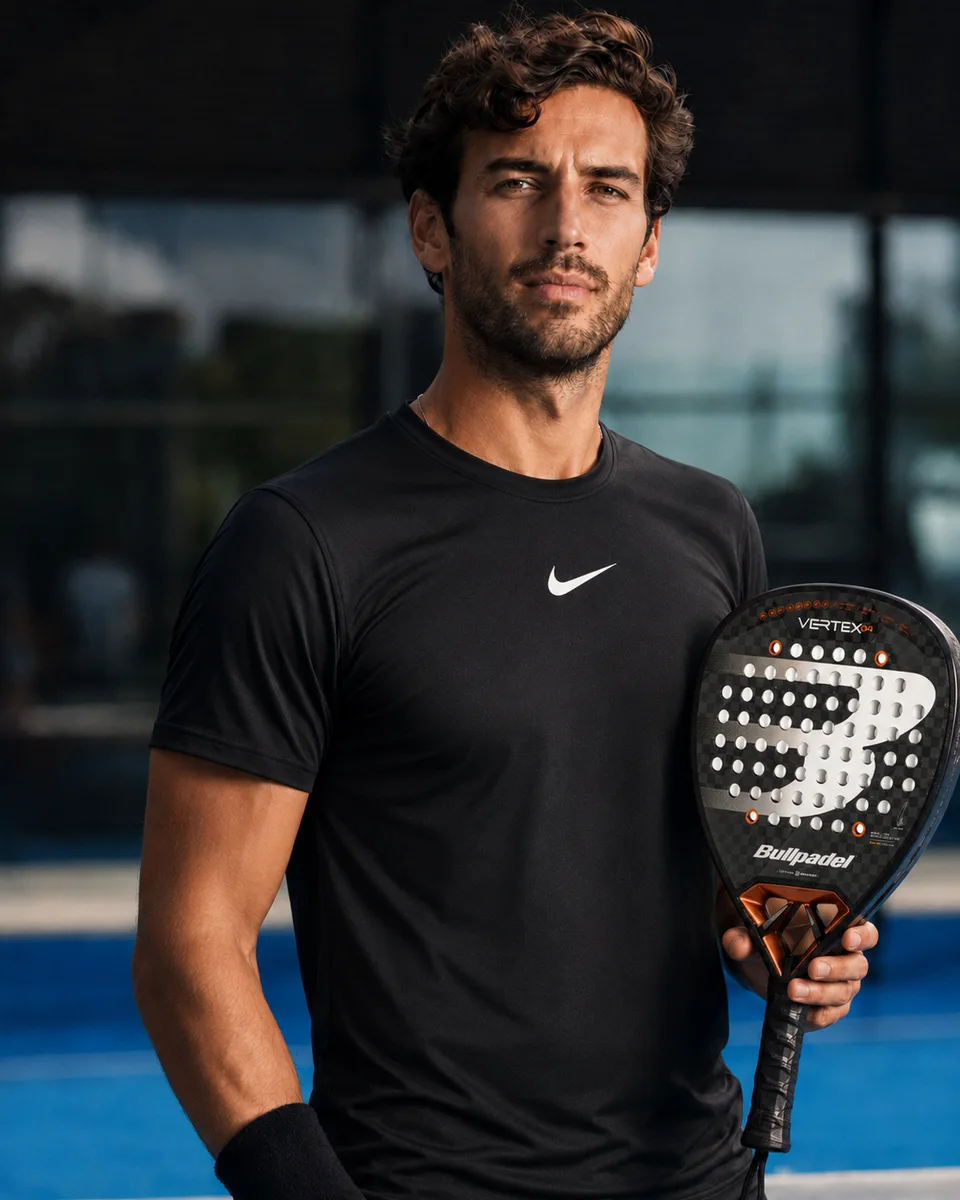
Arm-friendly padel racket priorities
| Factor | Usually safer direction | Why it matters |
|---|---|---|
| Balance | Low to medium | Less tip weight to manage on late contact |
| Weight | Light-to-medium | Lower fatigue and easier reactions |
| Foam | Soft or medium | Less harsh feedback for many players |
| Face | Forgiving or hybrid | Avoids overly stiff impact too early |
| Grip | Comfortable size and fresh overgrip | Reduces squeezing and slipping |
Start with the non-negotiable
This is not medical advice. Tennis elbow can involve pain around the outside of the elbow and can be linked with repeated wrist and arm motions. If rest, ice, and basic self-care do not ease pain, or pain affects daily activities, seek care from a qualified health professional.
For padel buying decisions, Luca treats elbow sensitivity as a reason to reduce racket demand, not a reason to search for a miracle product. Gear can lower the load on an irritated arm, but no frame replaces rest, sensible workload, and, when needed, professional care.
- Do not keep testing stiff rackets through sharp pain.
- Avoid sudden jumps in match volume, heavy balls, or hard foam power frames.
- Use fresh overgrips so you do not squeeze the handle harder than needed.
- Ask a clinician or physical therapist before pushing through persistent symptoms.
Racket specs that can affect arm stress
High balance, hard foam, very firm carbon faces, and heavy swing weight can all make late contact more demanding. That does not mean they cause elbow pain by themselves, but they can make an already irritated arm work harder.
The friendlier direction is usually a lower-balance racket with soft-to-medium response and enough stability that the frame does not twist constantly. Twist on off-center contact forces you to grip harder, and that extra squeeze is exactly what a sore forearm does not need.
Vibration matters too. A very stiff face transmits more of the impact straight up the arm, while a slightly more flexible face with softer foam takes some of that edge off. If you feel a sharp buzz in the forearm after a mishit, that is the frame telling you it may be too firm for your current comfort needs. See our foam guide and sweet spot guide for how those specs affect impact shock.
An arm-friendly spec sheet with numbers
It helps to turn 'softer and lighter' into ranges you can actually shop for. The values below are practical starting points, not medical prescriptions, and every arm is different. Use them to narrow the field, then confirm comfort with a demo.
Read the ranges as directions rather than hard rules. A round frame at 358 g with low balance and soft foam is a gentler place to start than a 375 g diamond with a stiff carbon face, but the only test that counts is how your own arm feels after a full session.
The theme across every row is the same: reduce how hard the frame makes your arm work on ordinary contact, especially late and off-center contact near the net.
| Spec | Gentler starting range | Tends to be harsher |
|---|---|---|
| Shape | Round or forgiving teardrop | Diamond with high tip weight |
| Weight | ~355–365 g | 375 g+ swung all match |
| Balance | Low-to-medium (~255–260 mm) | High balance (~270 mm+) |
| Foam | Soft to medium EVA | Hard EVA power foam |
| Face | Fiberglass or soft carbon | Very stiff full carbon |
Grip, overgrip, and dampening
The grip is the cheapest comfort upgrade you own. A handle that is too small makes you clench, and a slick, worn overgrip makes you clench harder still. Both add avoidable tension to the forearm during a long match.
Build up the handle with an overgrip until it fills your hand without forcing your fingers to strangle it, and replace the overgrip once it goes hard or shiny. Some players also add a little handle tape or use a softer overgrip to take the edge off impact. None of this cures anything, but it can stop you from squeezing more than the shot requires. Our overgrip guide and sweaty hands grip guide cover setup in more detail.
- Choose a handle size that fills the hand without over-gripping.
- Add an overgrip and replace it when it turns hard or slick.
- A slightly tackier overgrip can reduce how tightly you hold.
- Fresh, lively balls beat dead balls, which force harder swings.
Manage workload and warm up
Gear choices matter, but load management usually matters more. Sudden jumps in how often or how long you play tend to irritate an arm faster than any single spec. Increase match volume gradually and give the arm real rest days rather than playing through sharp pain.
A short warm-up before you hit hard helps too: easy shoulder and forearm movement, a few gentle mini-tennis rallies, then build up pace. Cooling down and easy stretching afterward is a sensible habit. If a specific exercise program is recommended by a clinician, follow theirs over anything generic.
- Ramp match volume up gradually, not all at once.
- Warm up the shoulder and forearm before hitting hard.
- Take genuine rest days when the arm is sore.
- Stop and reassess if a session brings sharp or worsening pain.
When to see a professional
Gear is not a substitute for care. If pain persists despite rest and sensible adjustments, if it interferes with everyday tasks like lifting a cup or shaking hands, or if it keeps returning whenever you play, it is time to consult a qualified health professional.
A clinician or physical therapist can assess what is actually going on and give you a plan suited to you. Treat this article as gear guidance that sits alongside professional advice, never in place of it.
Related Reviews
These are the reviews I would open next if this guide describes the decision you are trying to make.
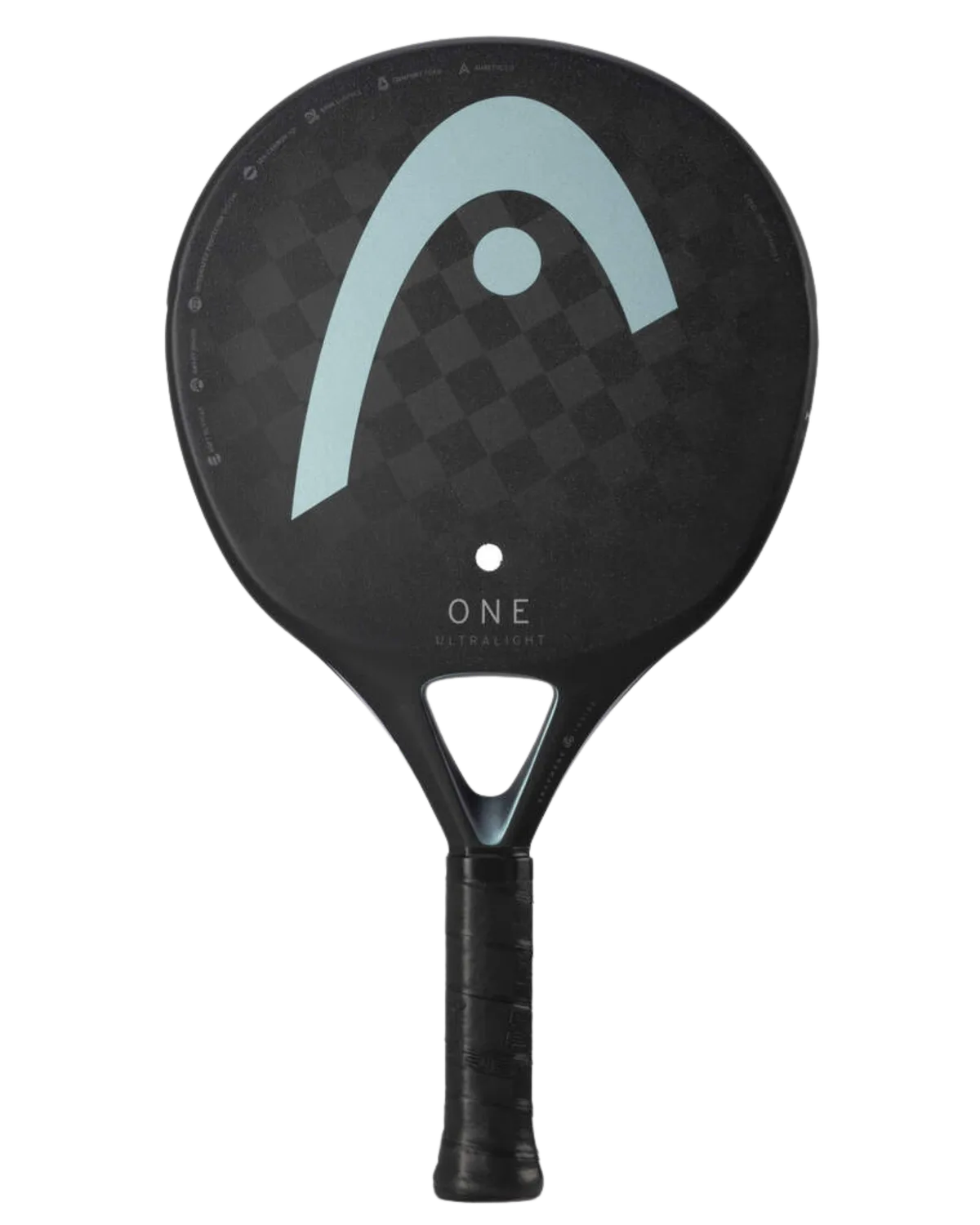
Best ultra-light option
Head One Ultralight Black
A very quick racket for players who want maximum hand speed, easy preparation, and low fatigue.
- Review
- 8.5/10
- Price
- $179.95
- Best for
- Players who get arm fatigue with heavier rackets
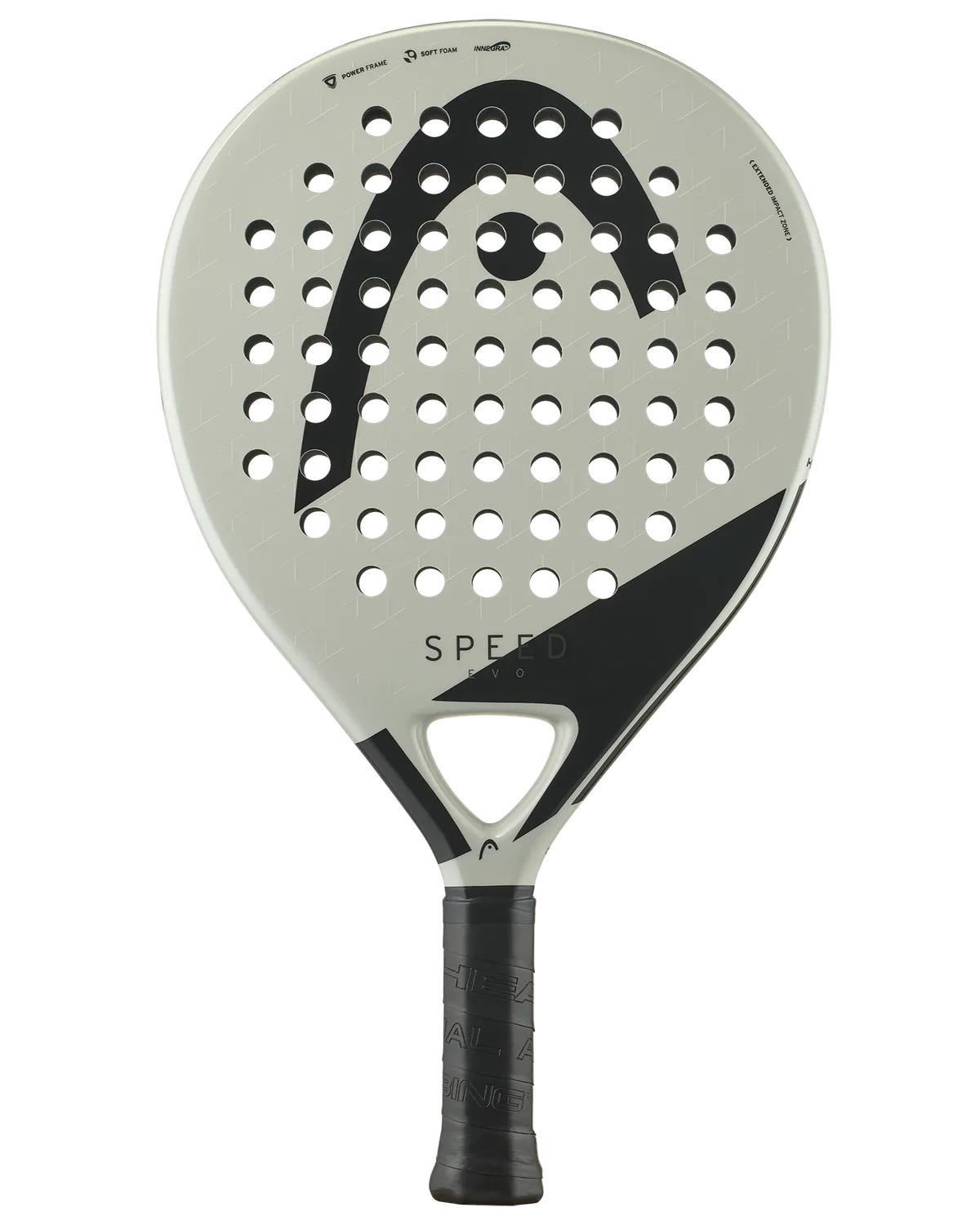
Best beginner value
Head Evo Speed
An affordable, easy-launching racket that helps new players learn padel patterns without punishing every late contact.
- Review
- 8.6/10
- Price
- $99.95
- Best for
- First racket buyers who want a real padel frame under $150
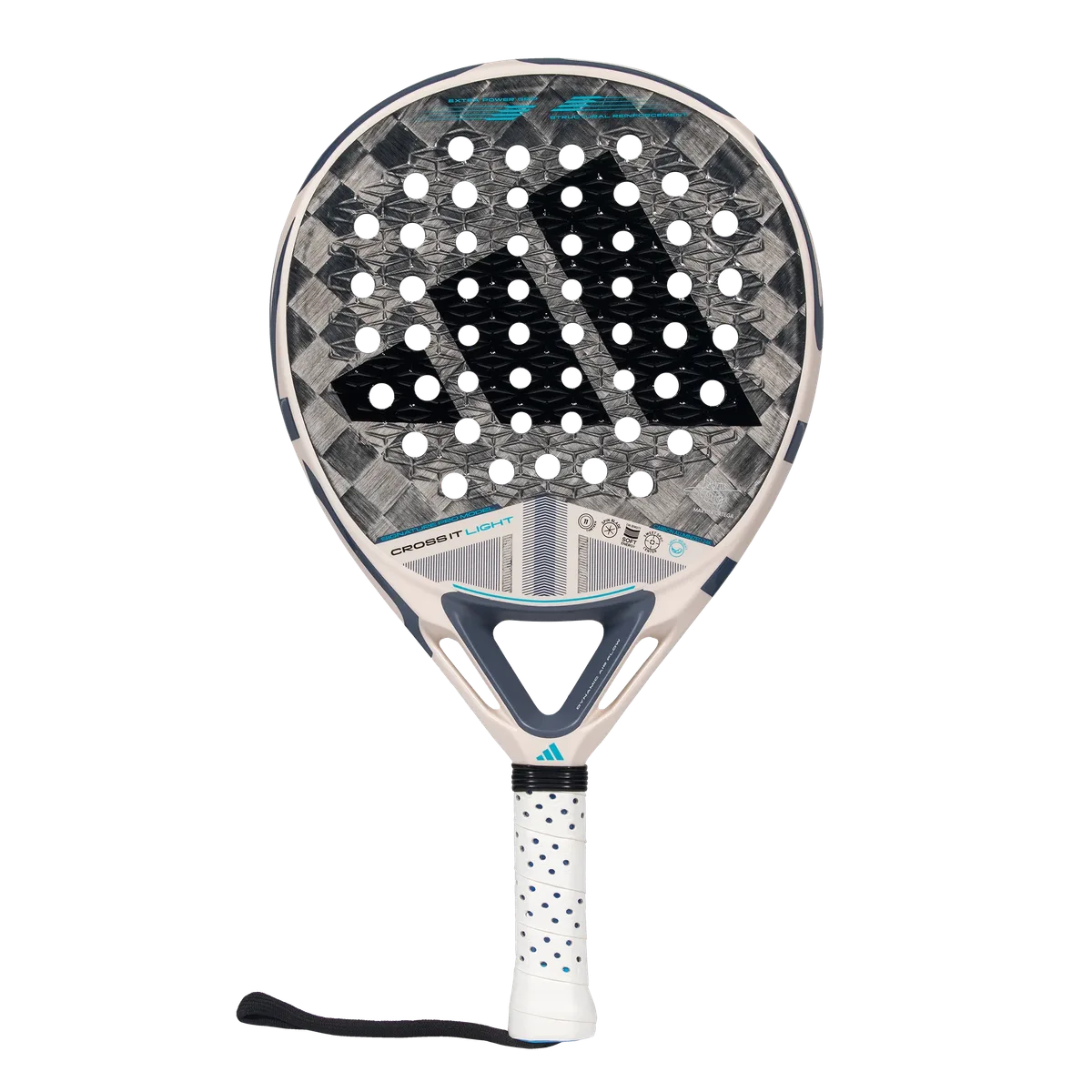
Best lightweight control racket
Adidas Cross It Light 3.4 2025
A fast, precise round racket for players who want advanced touch without fighting the head weight.
- Review
- 9.1/10
- Price
- $288.75
- Best for
- Control players who defend with the glass and reset rallies
Related Guides and Tools
Next step
Weight guide
Use this next if you want to turn the guide into a shortlist or a direct product decision.
Next step
Foam guide
Use this next if you want to turn the guide into a shortlist or a direct product decision.
Next step
Racket finder quiz
Use this next if you want to turn the guide into a shortlist or a direct product decision.
Sources Used
For health-related context, I checked clinical sources and kept the buying advice conservative. This page is not medical advice.
- Mayo Clinic: Tennis elbow symptoms and causes
- Mayo Clinic: Tennis elbow diagnosis and treatment
- AAOS OrthoInfo: Epicondylitis therapeutic exercise program
- NHS Inform: Exercises for tennis elbow
Tennis elbow and padel racket choices FAQ
Can a padel racket fix tennis elbow?
No racket can diagnose or cure tennis elbow. A better-matched racket may reduce stress on the arm, but persistent elbow pain should be assessed by a qualified health professional. Treat gear changes as one small part of a plan that also includes rest and, when needed, professional care.
What padel racket specs are usually better for elbow comfort?
Many arm-sensitive players do better with lower balance, light-to-medium weight around 355–365 g, soft-to-medium foam, and a grip setup that does not require squeezing. A round or forgiving teardrop shape with a fiberglass or soft-carbon face tends to feel gentler than a stiff, high-balance diamond. These are starting points, not guarantees, so confirm comfort with a demo.
Does grip size affect elbow comfort in padel?
It can. A handle that is too small often makes you clench harder, and a worn, slick overgrip makes you squeeze more to keep control. Building the handle up with a fresh overgrip so it fills your hand comfortably can reduce unnecessary forearm tension.
Should I use soft or hard foam if my arm is sore?
Most arm-sensitive players find soft-to-medium EVA foam more comfortable because it gives less harsh feedback at impact. Hard power foam and very stiff faces tend to feel harsher, especially on late or off-center contact. Feel is personal, so test before committing if you can.
How can I reduce arm stress without buying a new racket?
Wrap a fresh overgrip, keep your grip pressure relaxed, and play with lively balls so you don't force your swing. Warm up before hitting hard, increase your playing volume gradually, and take real rest days. These free habits often matter as much as the racket itself.
When should I see a doctor for padel elbow pain?
See a qualified health professional if pain persists despite rest and sensible adjustments, interferes with daily activities, or keeps returning whenever you play. A clinician or physical therapist can assess the cause and give you a plan suited to you. This article is gear guidance, not a substitute for medical advice.