Sanded turf shoe guide
| Court condition | Shoe direction | Why |
|---|---|---|
| Loose visible sand | Padel-specific or clay-style outsole | Finds grip without sudden stops |
| Mixed sand levels | Predictable all-court padel outsole | Handles changing patches better |
| Outdoor court | Stable upper and durable toe area | Supports braking and low recoveries |
| Slippery corners | Fresh outsole with lateral support | Old tread can feel vague under pressure |
| Hot dry surface | Durable rubber compound | Soft compounds wear fast on abrasive sand |
Why sanded turf feels different
On sanded turf, the shoe has to move through a thin layer of sand before it finds the court. Too little grip feels unsafe; too much grip can make pivots feel sticky. The sand acts like tiny ball bearings between the outsole and the turf, so the pattern has to bite through it consistently rather than skate across the top.
I want a shoe that lets me brake into the glass, recover, and split again without thinking about my feet. That means predictable release matters as much as raw grip: a shoe that suddenly catches on a rotation loads the knee and ankle far more than a clean, controlled slide. If slipping is already a problem, see our guide on why padel shoes slip.
- Use court shoes with lateral support, not running shoes.
- Check the outsole before blaming the court.
- Expect different grip from indoor low-sand and outdoor sanded courts.
- Replace shoes when the outsole feels polished or inconsistent.
Sand level changes everything
US clubs sand their outdoor courts to different depths, and the level under your feet changes what outsole works. A freshly sanded or heavily sanded court behaves like loose clay: you want a pattern with many contact edges so grip builds gradually. A low-sand or well-worn court is closer to a clean indoor surface, where an aggressive lug pattern can grab too hard and feel sticky on turns.
If you play across several clubs, do not chase the extreme end of either. A balanced padel outsole that reads the surface is more useful than a specialist pattern that is only right on one court. Our shoe surface guide covers indoor and mixed courts in more depth.
| Sand level | Feel | Best outsole direction |
|---|---|---|
| Heavy / freshly sanded | Loose, shifts underfoot | Clay-style, many edges, controlled slide |
| Medium sanded | Balanced grip and release | Padel-specific all-court |
| Low sand / worn in | Firmer, closer to indoor | Mixed-surface, less aggressive lugs |
| Uneven patches | Grip changes step to step | Predictable all-court, fresh tread |
Sanded court buying cues
A padel-specific stability shoe is the safest place to start. Clay-style traction can also work well because it gives many contact edges without one huge sticky lug pattern. That combination of edges is what lets you brake progressively instead of snapping to a halt.
If you play across sanded and low-sand courts, choose a mixed-surface padel shoe rather than the most extreme grip pattern. And pay attention to the rubber compound: abrasive sand chews through very soft outsoles quickly, so a slightly firmer, durable compound often lasts a full season better outdoors.
| Outsole cue | Best for | Concern |
|---|---|---|
| Clay-style traction | Loose sand and outdoor courts | May feel too grippy on some indoor courts |
| Padel-specific all-court | Mixed court schedules | Less specialized on heavy sand |
| Worn smooth tread | Nothing | Unpredictable braking |
| Running shoe tread | Off-court use | Poor lateral support for padel |
Keep grip alive: cleaning and care
Sand packs into the tread and kills grip long before the rubber is actually worn out. A packed outsole feels vague and slick, and most players blame the court or the shoe when a thirty-second clean would fix it. Tap the soles together after each match and scrub the tread with a stiff brush and water when it looks clogged.
Store shoes somewhere dry, not baking in a car trunk, because heat hardens rubber and shortens outsole life. Keeping a dedicated pair for outdoor sand also protects them: dragging your padel shoes across concrete parking lots polishes the exact edges you rely on.
- Tap and brush sand out of the tread after each session.
- Rinse and air-dry rather than leaving shoes in a hot trunk.
- Keep court shoes off concrete to protect the edges.
- Track outer-forefoot wear as your replacement signal.
Match the shoe to how you play
Your role on court changes what you want from a sanded-turf shoe. A defensive player who lives at the back and slides into late glass defense wants controlled release and a durable toe area, because they drag and brake constantly through loose sand. An attacking player who steps in at the net wants a quicker, more planted feel so the first volley and the split step feel sharp rather than mushy.
Left and right side players load slightly differently too, with the player covering the middle making more explosive diagonal moves. None of this outweighs traction and fit, but once you have a shoe that grips your court, biasing toward stability or quickness based on your role is a real second-set advantage.
- Defensive / back-court: controlled release, durable toe, stable base.
- Attacking / net: quicker, planted feel for the first volley.
- Middle coverage: prioritize explosive diagonal support.
- All-rounders: a balanced all-court padel outsole.
When to replace for sandy courts
Sand is abrasive, so outdoor shoes wear faster than indoor ones. The clearest signal is the tread going smooth in the braking and pivot zones, usually the outer forefoot and toe. When those edges polish flat, grip becomes a guess, and guessing on a hard stop is how ankles roll.
I also replace when the shoe starts to feel inconsistent from one corner to the next even after cleaning. Predictability is the whole point on sand; a shoe you cannot trust is done regardless of how much rubber is left. In a hot, dry US summer the rubber also hardens over months, so an old pair that lived in a car trunk can feel slick long before the tread looks worn.
Related Reviews
These are the reviews I would open next if this guide describes the decision you are trying to make.
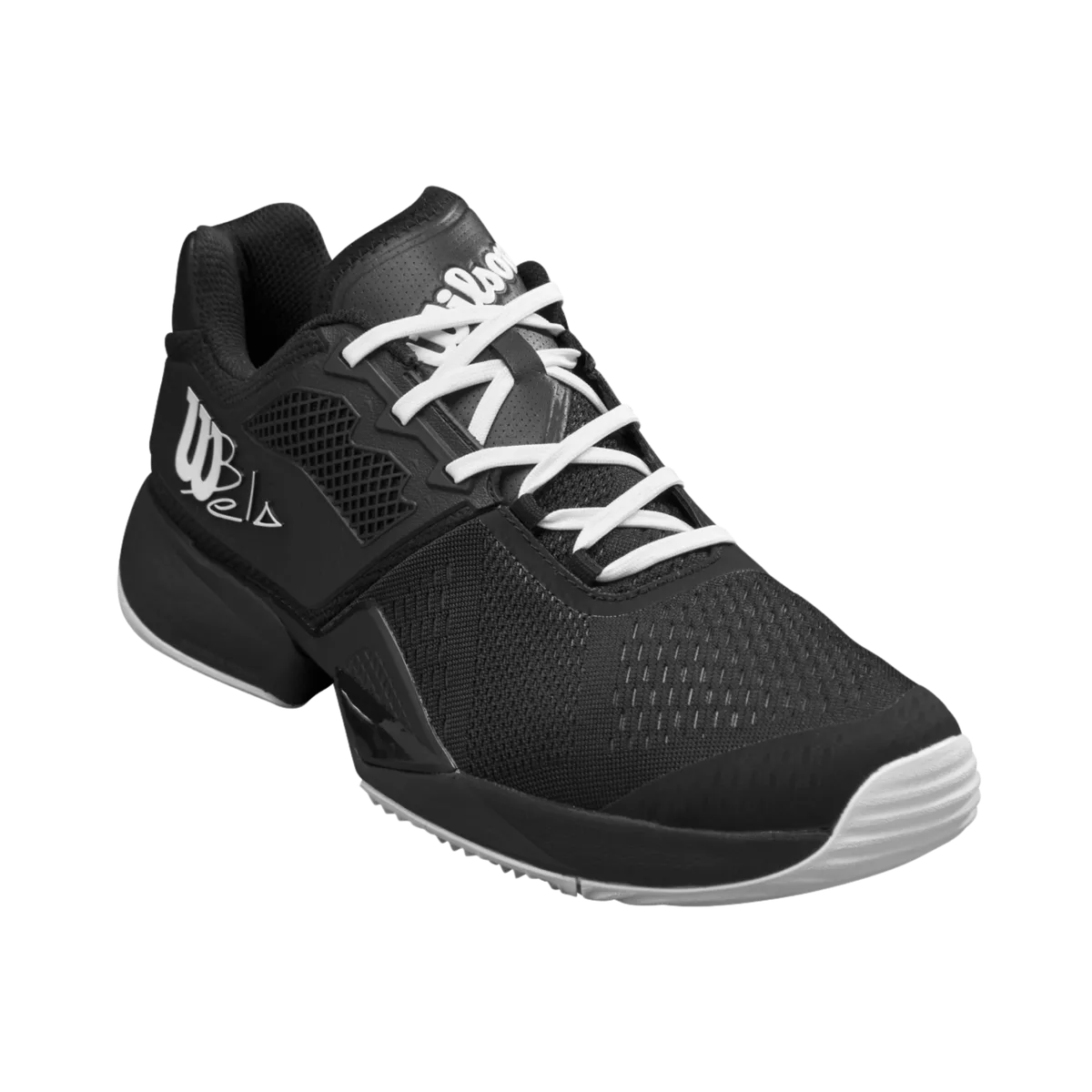
Best stability shoe
Wilson Bela Tour Men's Padel Shoes
A stable padel-specific shoe for players who cut hard, defend corners, and need lateral confidence more than a featherweight feel.
- Review
- 8.9/10
- Price
- $159.00
- Best for
- Players who slide, stop, and recover hard in the corners
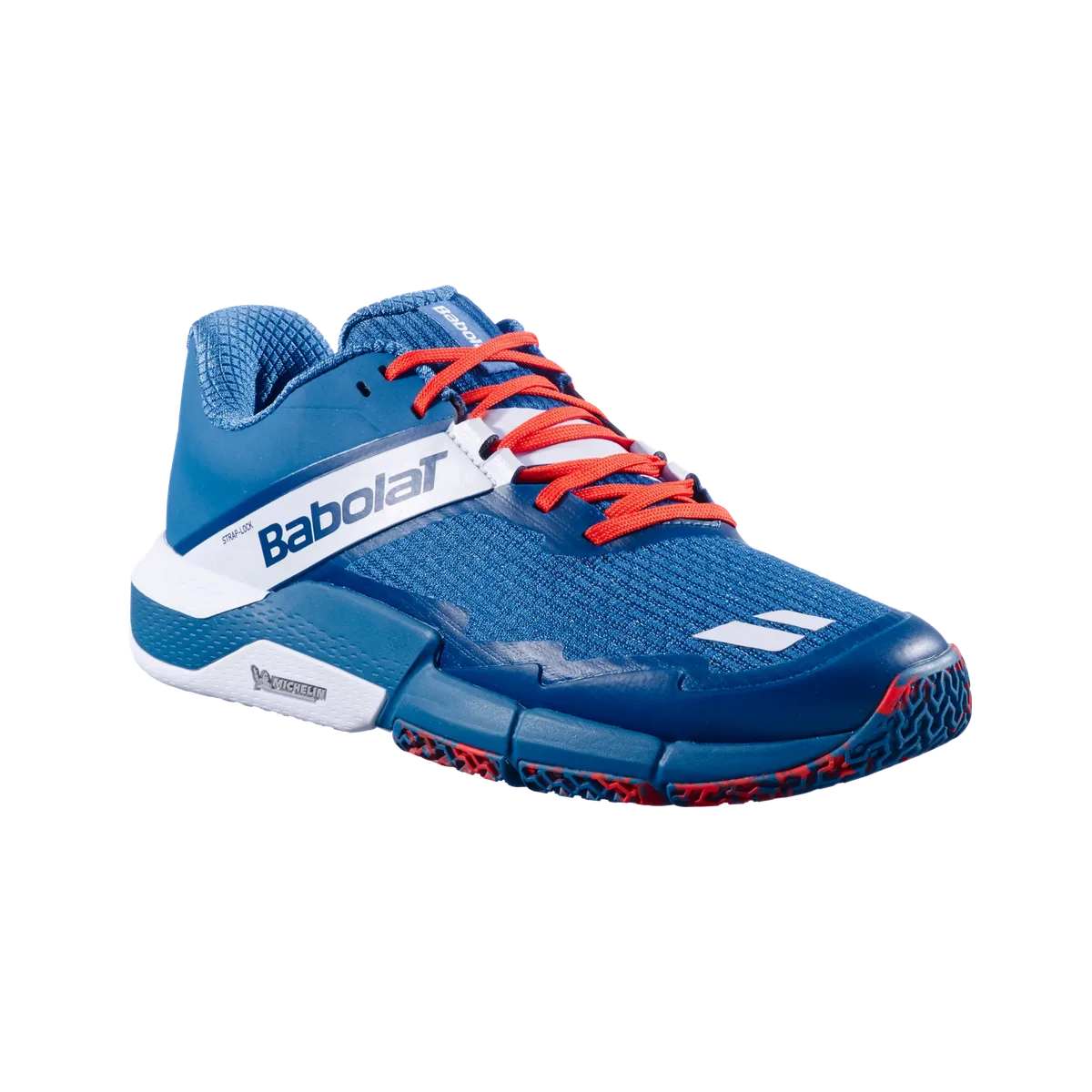
Tool-tested stability shoe pick
Babolat Jet Movea 2 Men's Padel Shoes 2025
A durable men's padel shoe for beginners who want a more planted feel.
- Review
- 8.4/10
- Price
- $149.00
- Best for
- A durable men's padel shoe for beginners who want a more planted feel.
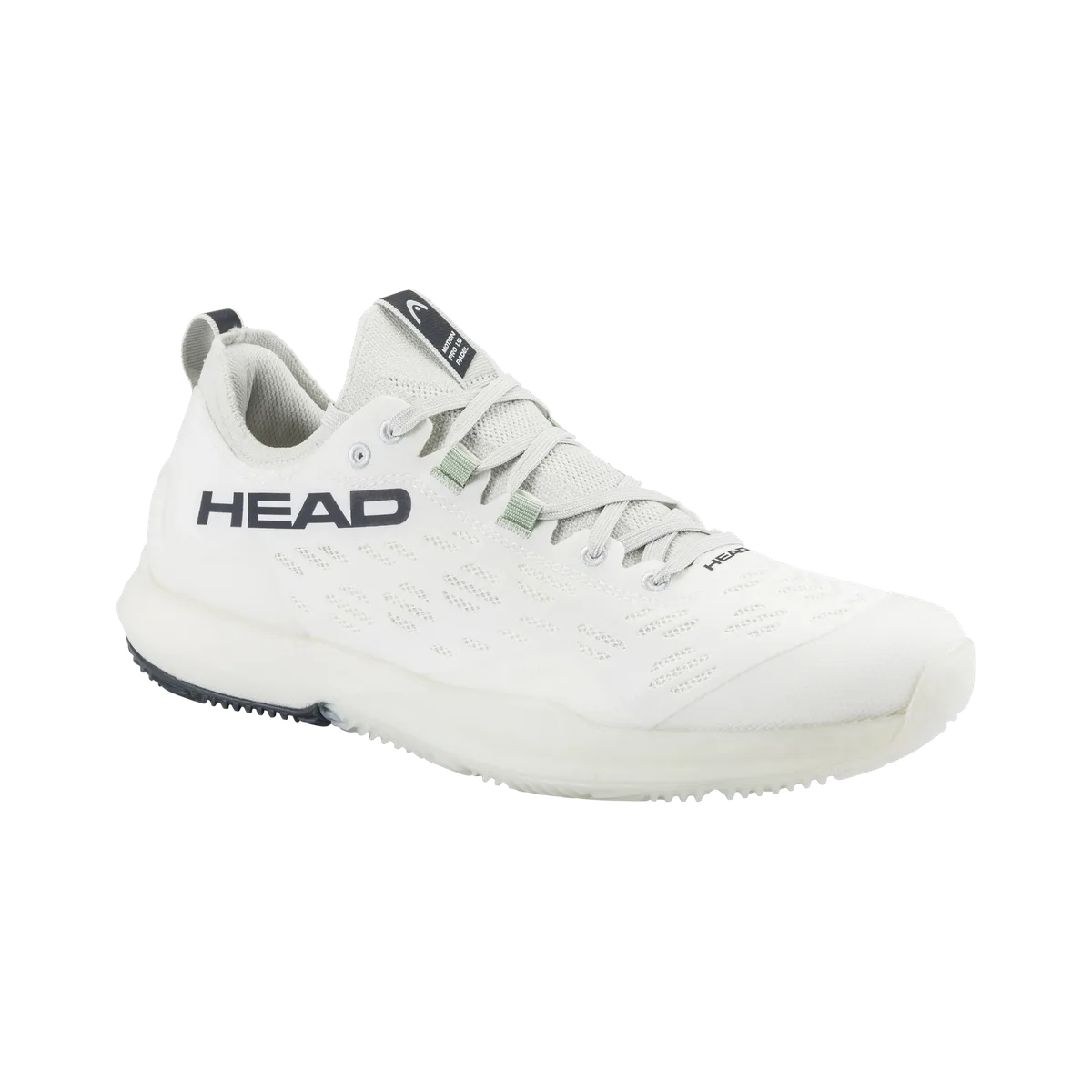
Tool-tested stability shoe pick
Head Motion PRO 1.5 Men Padel Shoes
A balanced men's padel shoe pick when stability and comfort matter.
- Review
- 8.4/10
- Price
- $129.00
- Best for
- A balanced men's padel shoe pick when stability and comfort matter.
Related Guides and Tools
Next step
Best padel shoes for sanded turf
Use this next if you want to turn the guide into a shortlist or a direct product decision.
Next step
Padel shoes vs tennis shoes
Use this next if you want to turn the guide into a shortlist or a direct product decision.
Next step
Shoe finder quiz
Use this next if you want to turn the guide into a shortlist or a direct product decision.
Sanded turf padel shoes guide FAQ
What shoes are best for sanded padel courts?
Padel-specific shoes or clay-style court shoes with lateral support are usually best for sanded padel courts because they grip through loose sand without feeling like running shoes.
Why do I slip on sanded turf padel courts?
You may slip because the outsole is worn, the shoe is not built for lateral court movement, the court has uneven sand, or your foot is sliding inside a loose shoe.
Can tennis shoes work on sanded padel courts?
Some clay-court tennis shoes can work, but padel-specific shoes are usually safer for regular players because they are built around padel stops, turns, and glass recoveries.
Does the amount of sand on the court matter?
Yes. Heavily sanded courts play loose like clay and reward a clay-style pattern with many edges, while low-sand or worn courts play firmer and pair better with a less aggressive mixed-surface outsole. If you switch clubs often, choose a balanced all-court shoe.
How do I stop sand from ruining my grip?
Sand packs into the tread and makes a good shoe feel slick. Tap the soles together after each match, brush the tread with water when it clogs, and store the shoes somewhere dry so heat does not harden the rubber prematurely.
How long do padel shoes last on sanded courts?
Abrasive sand wears outsoles faster than indoor play, so expect shorter life outdoors. Replace them when the tread polishes smooth in the braking and pivot zones or when grip feels inconsistent from corner to corner even after cleaning.