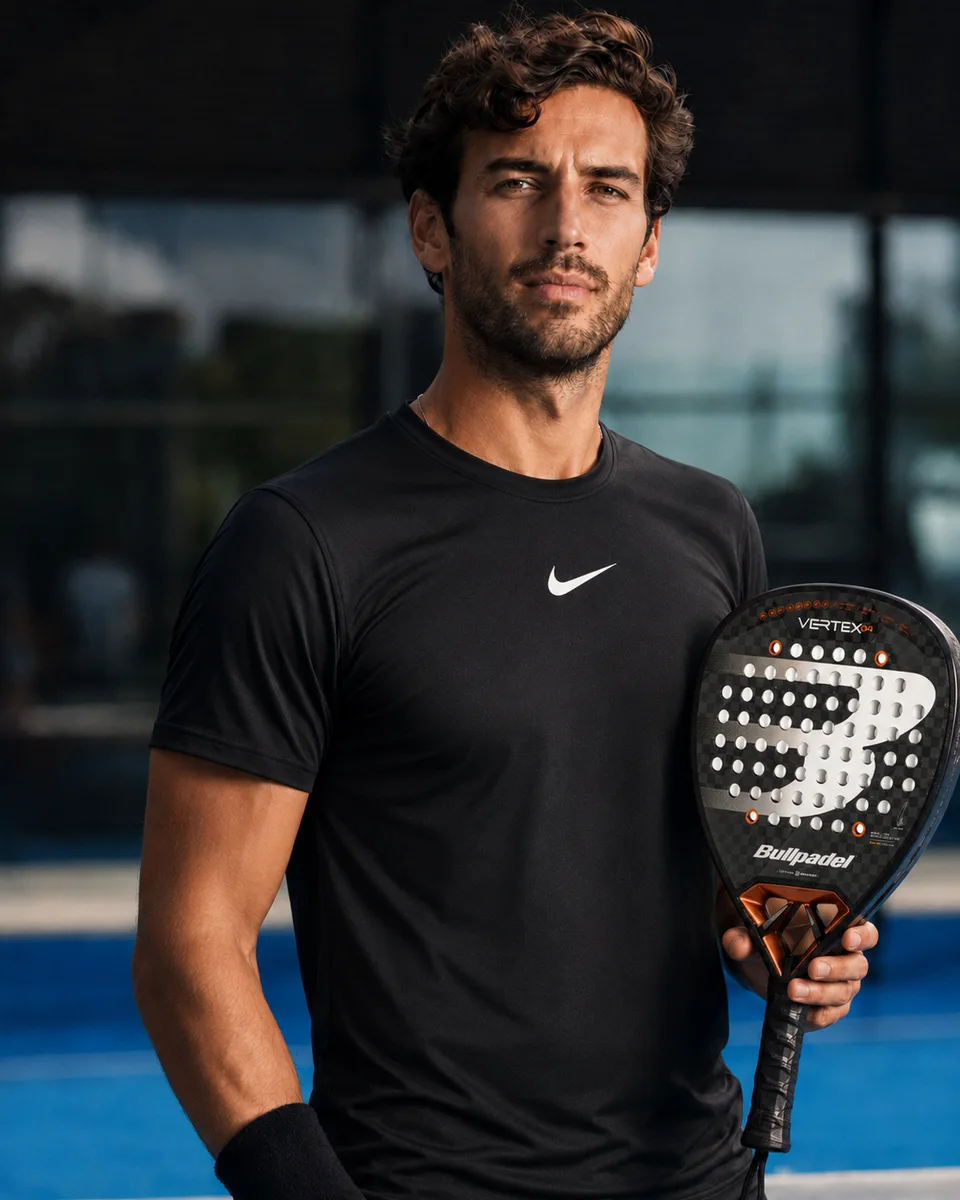
Common beginner buying mistakes
| Mistake | Why it hurts | Better move |
|---|---|---|
| Buying a pro diamond first | Late contact gets punished | Start round or forgiving teardrop |
| Ignoring shoes | Movement stays unstable | Buy padel shoes before another racket upgrade |
| Choosing only by brand | Fit gets ignored | Choose by level, shape, balance, and comfort |
| Overpaying before you know your style | Money goes into the wrong spec | Use a starter or mid-range racket first |
| Playing dead balls | Practice feels inconsistent | Keep fresh padel balls in the bag |
| Chasing a heavy racket | Arm tires and contact drops late in the second set | Stay near 355–365 g while you build strokes |
Buy for your current miss
If you miss because the racket arrives late, a more advanced power frame will usually make it worse. If you miss because you cannot create depth, a softer or more forgiving racket may help immediately.
Luca's beginner rule is simple: the first racket should make more balls playable, not make one highlight shot bigger. Watch where your errors actually happen for two or three sessions before you spend a cent, because the pattern of your misses is the real spec sheet you should be buying from.
- Defense before finishing power.
- Comfort before stiffness.
- Fit before brand loyalty.
- Shoes and balls before a second racket you do not need.
The eight mistakes I see most on club courts
Almost every beginner buying regret I hear falls into the same short list. None of these come from bad players; they come from buying for a fantasy match instead of the shots you hit on a Tuesday night. Read the table, then be honest about which two are yours.
The fix is rarely a more expensive racket. Usually it is a more forgiving one, or a different piece of gear entirely, or simply more reps with what you already own.
| Mistake | What it feels like on court | Fix |
|---|---|---|
| Pro diamond racket | Only the perfect center hit works | Round or forgiving teardrop with a big sweet spot |
| Racket too heavy | Arm fades and volleys drop in set two | Choose 355–365 g and add weight later if needed |
| Hard foam too early | Impact feels harsh, no help on depth | Soft or medium EVA for touch and comfort |
| High balance too early | Racket head feels late and clumsy | Low-to-medium balance for faster handling |
| Skipping padel shoes | Feet slide, stops feel unsafe | Dedicated padel shoes before any racket upgrade |
| Playing dead balls | Bounce is flat, practice feels random | Fresh pressurized balls, replace when soft |
| No overgrip plan | Handle slips, you squeeze harder | Add an overgrip and replace it monthly |
| Buying by brand or looks | Spec never matched your level | Filter by level, shape, balance, weight, comfort |
The weight and balance trap
Beginners often equate a heavier, head-heavy racket with more power, then wonder why their volleys arrive late and their arm aches by the last game. For learning strokes, handling speed matters more than raw mass. A racket around 355–365 g with low-to-medium balance reacts faster at the net and is far kinder to a developing arm.
Balance is measured in millimeters from the butt of the handle, and a higher number means more weight toward the head. A high-balance frame feels powerful on a clean overhead but sluggish on a quick reflex volley, which is the shot beginners face far more often. Lower balance keeps the racket nimble in your hand when the point speeds up.
You can always add power later. A small strip of lead tape at the throat or head will nudge weight and balance up once your technique is stable, but you cannot easily remove weight from a frame that is too demanding on day one. Start light, earn the mass.
- Target weight while learning: roughly 355–365 g.
- Prefer low-to-medium balance for quicker hands.
- Add lead tape later instead of buying heavy first.
- If the head feels late on volleys, the racket is too head-heavy for you now.
Budget tiers: where the money should go
Money spent on the wrong spec is the quietest beginner mistake because it never shows up as a single bad shot. A sensible first budget leaves room for shoes, balls, and grips instead of pouring everything into a premium frame you cannot yet feel the benefit of.
Think of the whole setup, not just the racket. A mid-range racket plus proper shoes beats a flagship racket plus worn-out sneakers every single time.
| Tier | Racket spend | Best for |
|---|---|---|
| Starter | ~$60–100 | Total newcomers unsure they'll stick with it |
| Value | ~$100–160 | Committed beginners playing weekly |
| Mid-range | ~$160–230 | Fast improvers who know their style is forming |
| Premium | $230+ | Only if a specific spec clearly fits your game |
Demo or rent before you commit
The cheapest way to avoid an expensive mistake is to hit with a racket before you buy it. Many US clubs and pro shops have demo programs or loaner rackets, and clubmates are usually happy to let you try theirs for a few points between games.
Ten minutes of real hitting tells you more than an hour of reading reviews. Feel how the racket handles on a fast volley, a defensive lob off the back glass, and a flat drive. If it only feels good on your cleanest swing, keep looking.
What beginners should upgrade first
A good beginner setup is not only a racket. Padel shoes change movement confidence, fresh balls improve practice quality, and overgrips make the handle feel stable. If you already own a playable racket, these usually move your game more than a second frame.
Dead balls are a quiet killer of beginner practice. A flat ball bounces low and unpredictably, so you never groove a real swing and start blaming your racket for shots that a lively ball would have made easy. Keep a fresh tube in the bag and swap balls out when they lose their pop.
Spend in order of impact: shoes and balls first, then grip and small accessories, then a racket upgrade once you can explain exactly which spec you want to change and why.
Related Reviews
These are the reviews I would open next if this guide describes the decision you are trying to make.
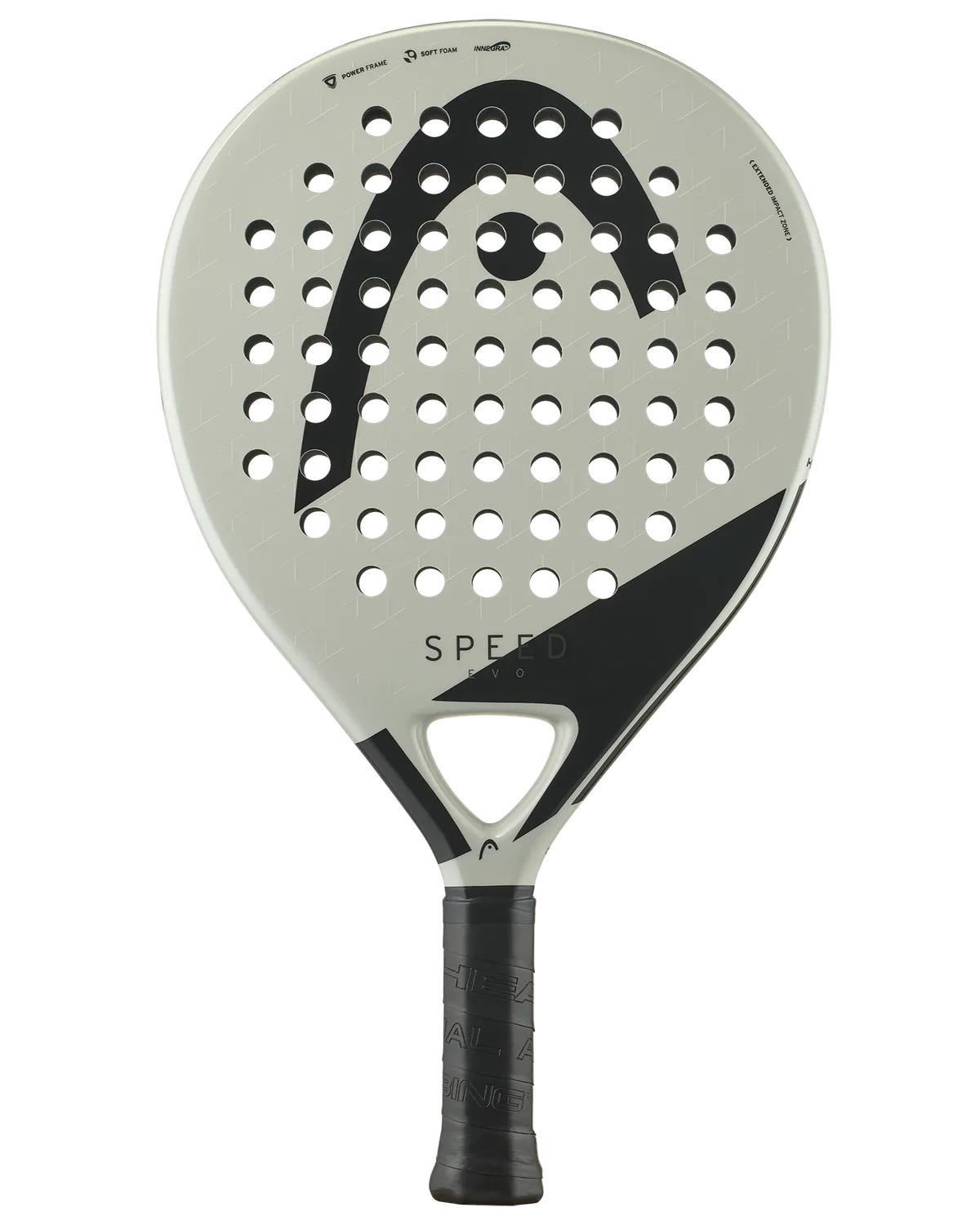
Best beginner value
Head Evo Speed
An affordable, easy-launching racket that helps new players learn padel patterns without punishing every late contact.
- Review
- 8.6/10
- Price
- $99.95
- Best for
- First racket buyers who want a real padel frame under $150
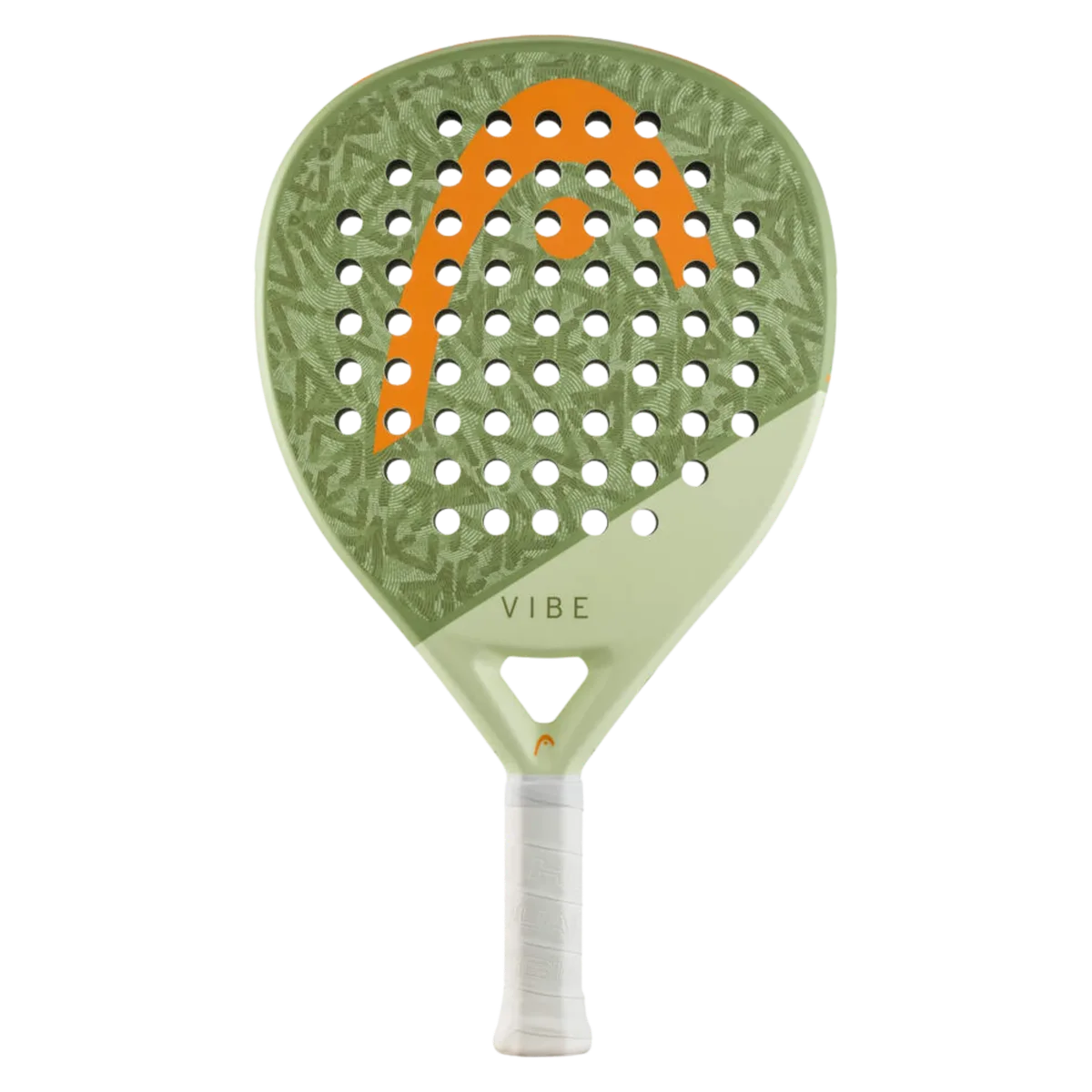
Tool-tested power racket pick
Head Vibe 2026
A forgiving starter racket that keeps depth easy without feeling demanding.
- Review
- 7.8/10
- Price
- $109.95
- Best for
- Newer players who want easy depth and a forgiving starter feel.
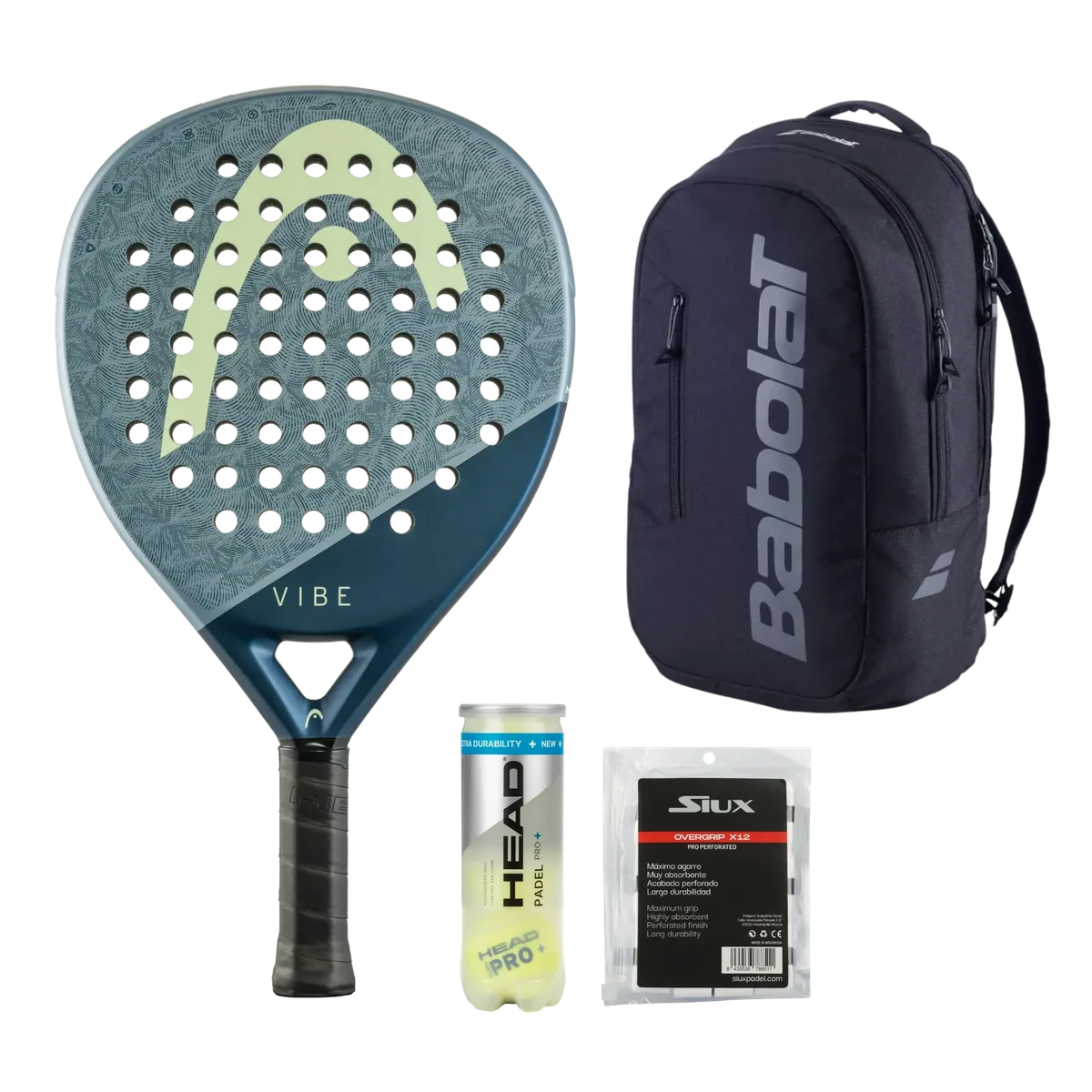
Best starter bundle
Complete Padel Pack - Racket + Bag + Balls + Grips
The easiest one-cart path for new players who want a full setup instead of guessing through every accessory.
- Review
- 8.7/10
- Price
- $199.00
- Best for
- New players who need everything at once
Related Guides and Tools
Next step
Beginner racket comparison
Use this next if you want to turn the guide into a shortlist or a direct product decision.
Next step
best padel racket for control
Use this next if you want to turn the guide into a shortlist or a direct product decision.
Next step
Beginner setup builder
Use this next if you want to turn the guide into a shortlist or a direct product decision.
Next step
How to choose your first racket
Use this next if you want to turn the guide into a shortlist or a direct product decision.
Beginner padel racket mistakes FAQ
What is the biggest beginner padel racket mistake?
The biggest mistake is buying a demanding pro-style power racket before you have consistent contact, footwork, and defensive habits. A stiff, head-heavy diamond punishes late off-center contact, which is exactly what beginners hit most. Start with a round or forgiving teardrop and a soft-to-medium foam so more of your swings stay in play.
Should beginners spend more on racket or shoes?
If you already have a playable racket, padel shoes may improve your game more quickly because movement and stability affect every point. Sliding feet make your racket arrive late and your stops feel unsafe. Get dedicated padel shoes before spending on a second frame.
How much should a beginner spend on a first padel racket?
Most beginners are well served by a value racket around $100–160, or a starter model near $60–100 if you are still unsure you'll stick with the sport. Leave room in the budget for shoes, fresh balls, and overgrips. Save the premium tier for when you know your style and can name the exact spec you want.
Is a heavier padel racket better for beginners?
No. A heavier, head-heavy racket usually arrives late on volleys and tires your arm by the second set. While you are learning, stay around 355–365 g with low-to-medium balance for faster handling. You can add lead tape later to build weight once your technique is stable.
Should I try a racket before buying it?
Yes, whenever you can. Many US clubs and pro shops run demo programs, and clubmates will often lend you a racket for a couple of points. Ten minutes of real hitting on volleys, lobs, and drives reveals more than any spec sheet or review.
How do I know when to upgrade from my first racket?
Upgrade when you play regularly, know your style, and can clearly explain which spec you want to change and why, such as more balance for finishing or a firmer face for control. Upgrading just because a pro uses a frame is a mistake. Let a specific need drive the purchase.