First padel racket checklist
| Decision | Safe first choice | When to choose otherwise |
|---|---|---|
| Shape | Round or forgiving teardrop | Diamond only if you already have racket-sport timing |
| Weight | Light-to-medium (355–365 g) | Heavier only if you need stability and do not tire |
| Foam | Soft or medium | Hard only if you like firm feedback |
| Balance | Low-to-medium | High only if you already attack cleanly |
| Budget | Value or mid-range | Premium only if the specs clearly fit |
| Setup | Racket plus shoes and balls | Racket-only if you already own court gear |
The five-step first racket filter
Start with level, then shape, then comfort, then weight and balance, then budget. Brand comes after those filters, not before them.
A first racket should survive ugly points. If it only feels good when you hit perfectly, it is probably not the right first racket. The frames that help beginners most are the ones that keep a mishit near the frame edge from turning into a lost point.
- Pick beginner or beginner-to-intermediate level.
- Choose round or forgiving teardrop.
- Prefer soft or medium feel.
- Avoid very high balance unless you already attack cleanly.
- Save budget for shoes, balls, and overgrips.
What each spec actually does
Beginners often shop by name and price because the specs sound abstract. They are not. Each number on the box changes how the racket behaves on the shots you'll hit most in your first months: lobs off the back glass, first volleys, and flat drives from the middle.
Shape controls where the sweet spot sits and how big it feels. Weight and balance together decide how quickly the head arrives on a fast exchange at the net, which is where most beginner points are won and lost. Foam and face material control how the ball feels at contact and how much the frame helps you when you miss the center.
The table below translates spec sheet language into on-court feel so you can match the racket to how you actually play, not to how you hope to play next year.
| Spec | Beginner-friendly range | What it changes for you |
|---|---|---|
| Shape | Round / forgiving teardrop | Larger, more central sweet spot and easier control |
| Weight | 355–365 g | Faster handling and less arm fatigue |
| Balance | Low-to-medium (~255–265 mm) | Quicker hands at the net, less late contact |
| Foam | Soft to medium EVA | Softer feel, more comfort, help creating depth |
| Face | Fiberglass or soft carbon | More flex and forgiveness than stiff full carbon |
Match the racket to your player type
There is no single best first racket, only the best one for the way you move and swing. A cautious defender who lobs and blocks wants something different from an ex-tennis player who already swings fast and flat, and a smaller or arm-sensitive player has different priorities again.
Be honest about which row you fit today, not the player you imagine becoming next season. A racket that suits your current swing keeps more balls in play, and points won build confidence far faster than a demanding frame that only rewards perfect contact.
Find yourself below and use it as a starting point, then confirm the feel with a demo before you buy.
| You are | Lean toward | Why |
|---|---|---|
| Total newcomer | Round, soft, ~360 g, low balance | Maximum forgiveness while strokes form |
| Ex-tennis / racket sports | Forgiving teardrop, medium foam | Handles a faster swing without punishing you |
| Smaller or arm-sensitive player | Light (350–360 g), soft foam, low balance | Less fatigue and gentler impact |
| Athletic, plays often | Teardrop, medium foam, medium balance | Room to grow into a bit more power |
Set a budget that covers the whole kit
The most common regret is spending the entire budget on a flagship racket and then playing in worn sneakers with dead balls. Your first purchase is a setup, not a single item. Decide the total you can spend, then divide it sensibly.
A mid-range racket around $100–160 plus proper padel shoes will out-perform a $250 racket plus street shoes on every stop, turn, and split step. The racket only helps once your feet get you there on balance, so shoes are not an afterthought.
If your budget is tight, buy the value racket now and upgrade later once you know your style. There is no prize for owning a pro frame before you can feel what it does, and the money saved covers shoes, a tube of balls, and a couple of overgrips that all improve your sessions today.
- Starter racket: ~$60–100 if you're unsure you'll continue.
- Value racket: ~$100–160 for committed weekly beginners.
- Reserve ~$80–130 for dedicated padel shoes.
- Budget for a tube of fresh balls and two or three overgrips.
Demo or rent before you commit
The single best way to choose a first racket is to hit with a few before buying. Many US clubs run demo programs, pro shops keep loaners, and clubmates will hand you theirs for a couple of points. Feel is personal, and no review replaces your own hands.
When you test, hit the shots you actually struggle with, not just your favorite drive. Try a defensive lob off the back glass, a quick first volley, and a low block. If the racket only feels good on clean center contact, keep looking.
When to spend more
Spend more if you already play weekly, know your style, and can clearly explain why the premium racket fits. Do not spend more just because a pro uses it. A flagship diamond in the hands of a new player usually creates more errors, not more winners.
Once your contact is consistent and you can name the exact spec you want to change, a step up in price can be worth it. Until then, the value tier is where your money works hardest.
Related Reviews
These are the reviews I would open next if this guide describes the decision you are trying to make.
Best beginner value
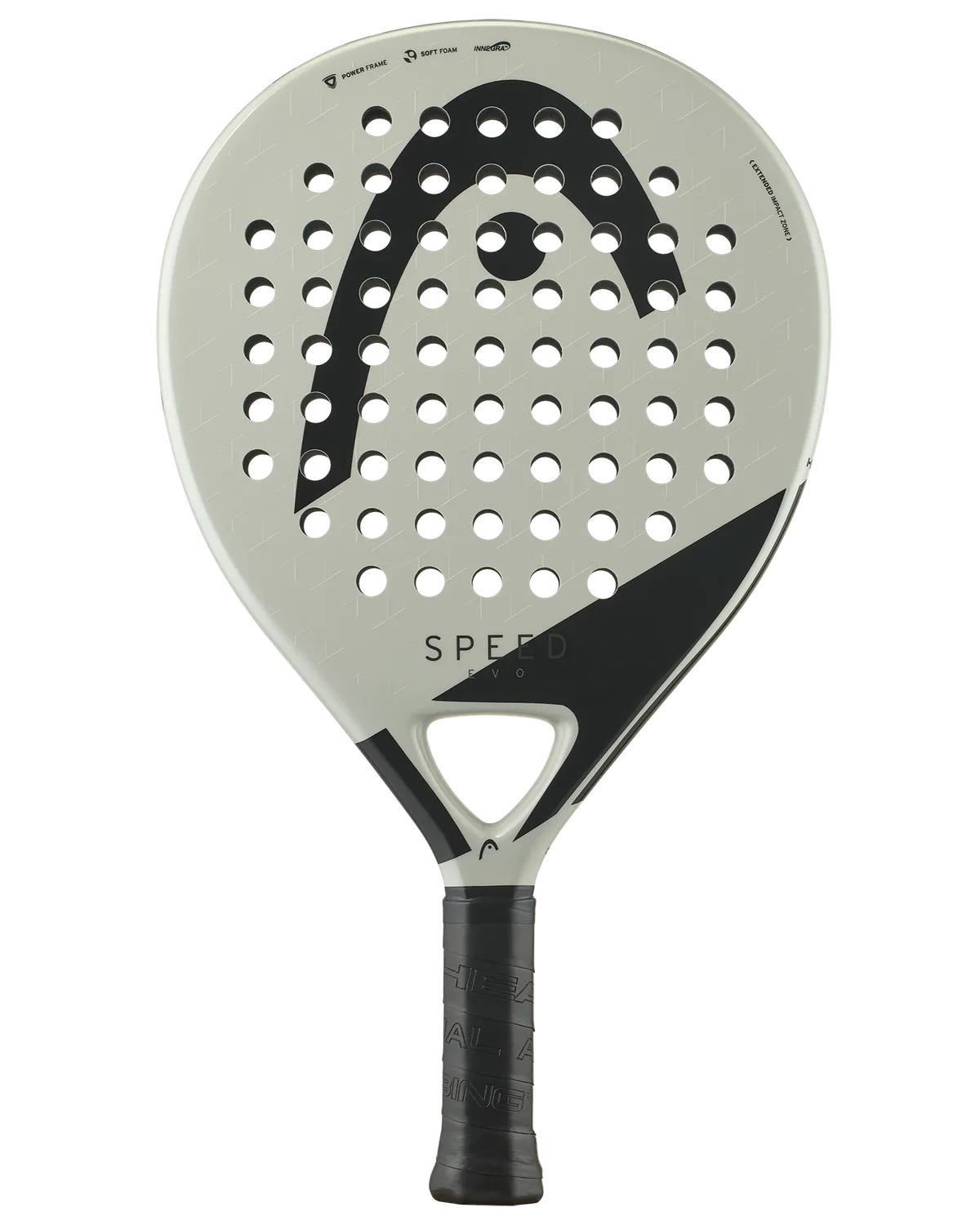
Head Evo Speed
An affordable, easy-launching racket that helps new players learn padel patterns without punishing every late contact.
- Review
- 8.6/10
- Price
- $99.95
- Best for
- First racket buyers who want a real padel frame under $150
Best ultra-light option
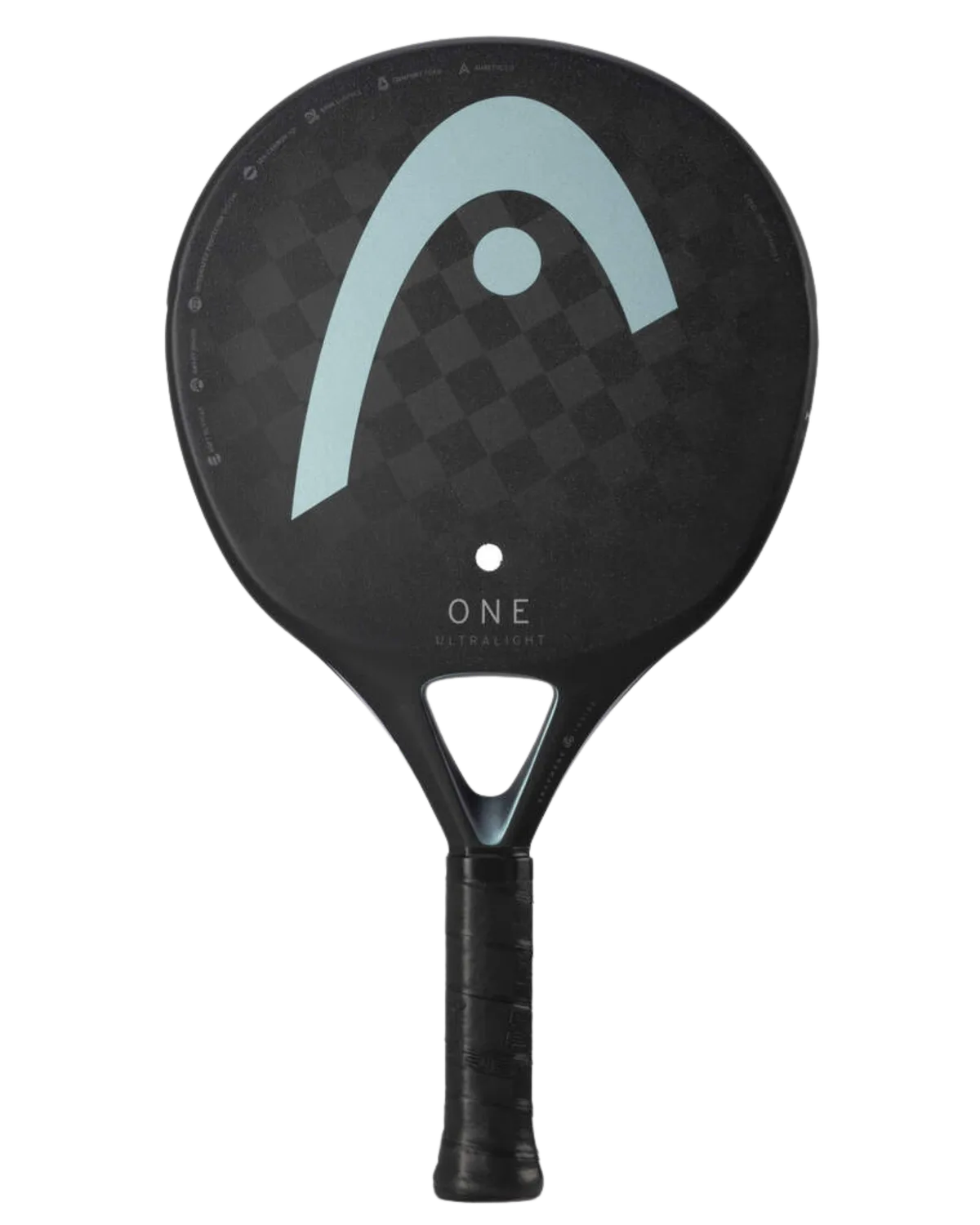
Head One Ultralight Black
A very quick racket for players who want maximum hand speed, easy preparation, and low fatigue.
- Review
- 8.5/10
- Price
- $179.95
- Best for
- Players who get arm fatigue with heavier rackets
Tool-tested control racket pick
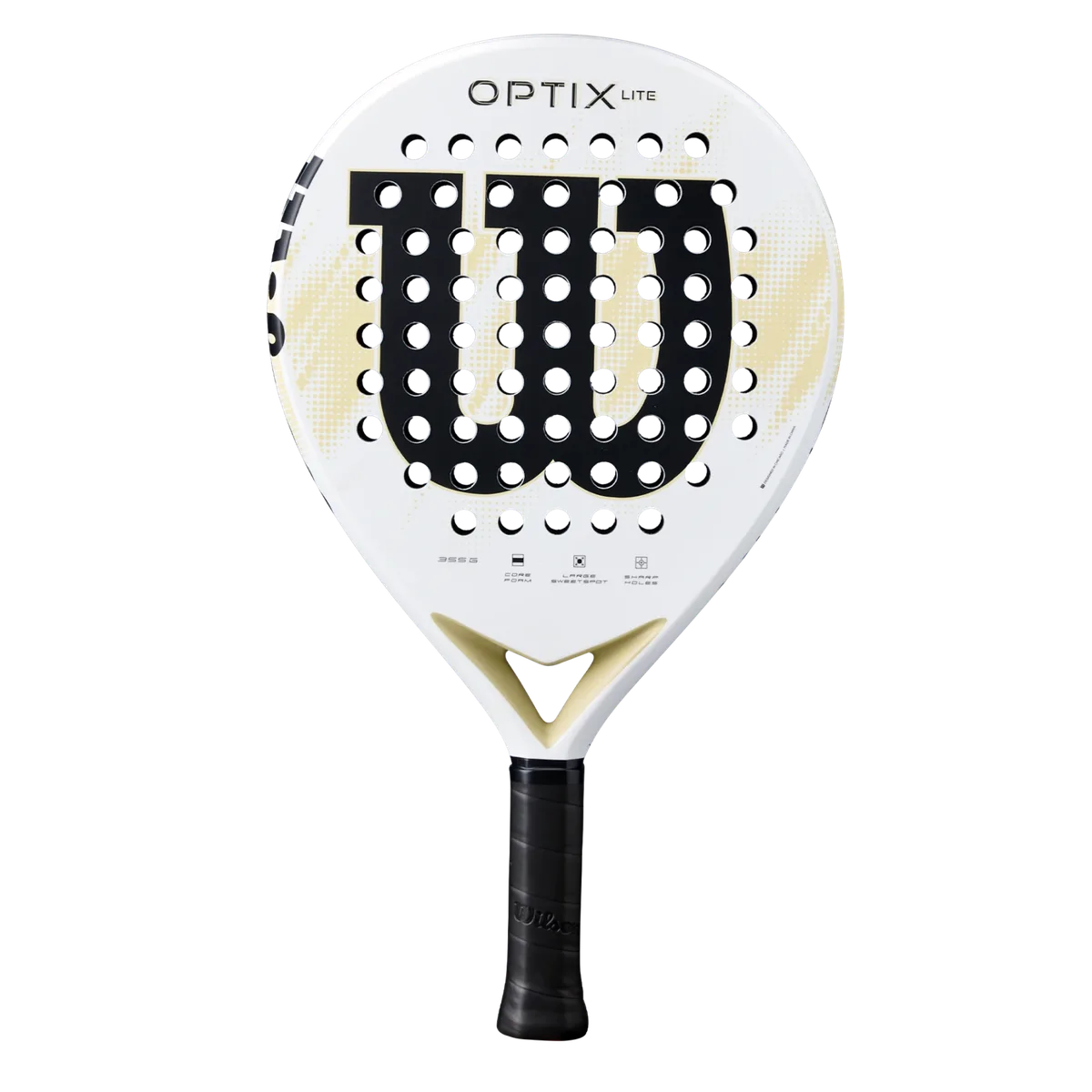
Wilson Optix V2 Lite 2026
A light, control-first beginner racket for cleaner contact and less arm fatigue.
- Review
- 8.2/10
- Price
- $139.00
- Best for
- Beginners and comfort-first players who want easy handling.
Related Guides and Tools
Next step
Beginner racket comparison
Use this next if you want to turn the guide into a shortlist or a direct product decision.
Next step
best padel racket for control
Use this next if you want to turn the guide into a shortlist or a direct product decision.
Next step
Racket finder quiz
Use this next if you want to turn the guide into a shortlist or a direct product decision.
Next step
Beginner setup builder
Use this next if you want to turn the guide into a shortlist or a direct product decision.
How to choose your first padel racket FAQ
How much should I spend on my first padel racket?
Most beginners should start with a value or mid-range racket around $100–160 and leave budget for shoes, balls, and grips. A starter racket near $60–100 is fine if you're unsure you'll keep playing. Save the premium tier for when you know your style and can name the exact spec you want.
Should my first padel racket be light?
A light-to-medium racket around 355–365 g is usually safer for beginners because it helps reactions and reduces fatigue while learning compact padel strokes. Very light rackets can feel unstable on hard hits, and heavy ones arrive late on volleys. You can add lead tape later to fine-tune the weight.
What racket shape is best for a beginner?
A round shape is the most forgiving because it places the sweet spot in the center of the face, where beginners make contact most often. A forgiving teardrop is a good second choice if you want a little more reach for power. Avoid diamond shapes until your contact is consistent.
Soft or hard foam for a first racket?
Soft or medium EVA foam is the better first choice for most players. It feels more comfortable on the arm, absorbs mishits, and helps you create depth without a perfect swing. Hard foam rewards fast, clean technique that beginners are still building.
Should I demo a racket before buying?
Yes. Many US clubs run demo programs, pro shops keep loaners, and clubmates will lend theirs for a few points. Test the shots you struggle with, like back-glass lobs and first volleys, not just your best drive. A few minutes of real hitting beats any spec sheet.
When should I upgrade to a more advanced racket?
Upgrade once you play weekly, have consistent contact, and can clearly explain which spec you want to change and why. A specific need, such as more balance for finishing or a firmer face for control, should drive the purchase. Do not upgrade just because a pro uses a certain frame.