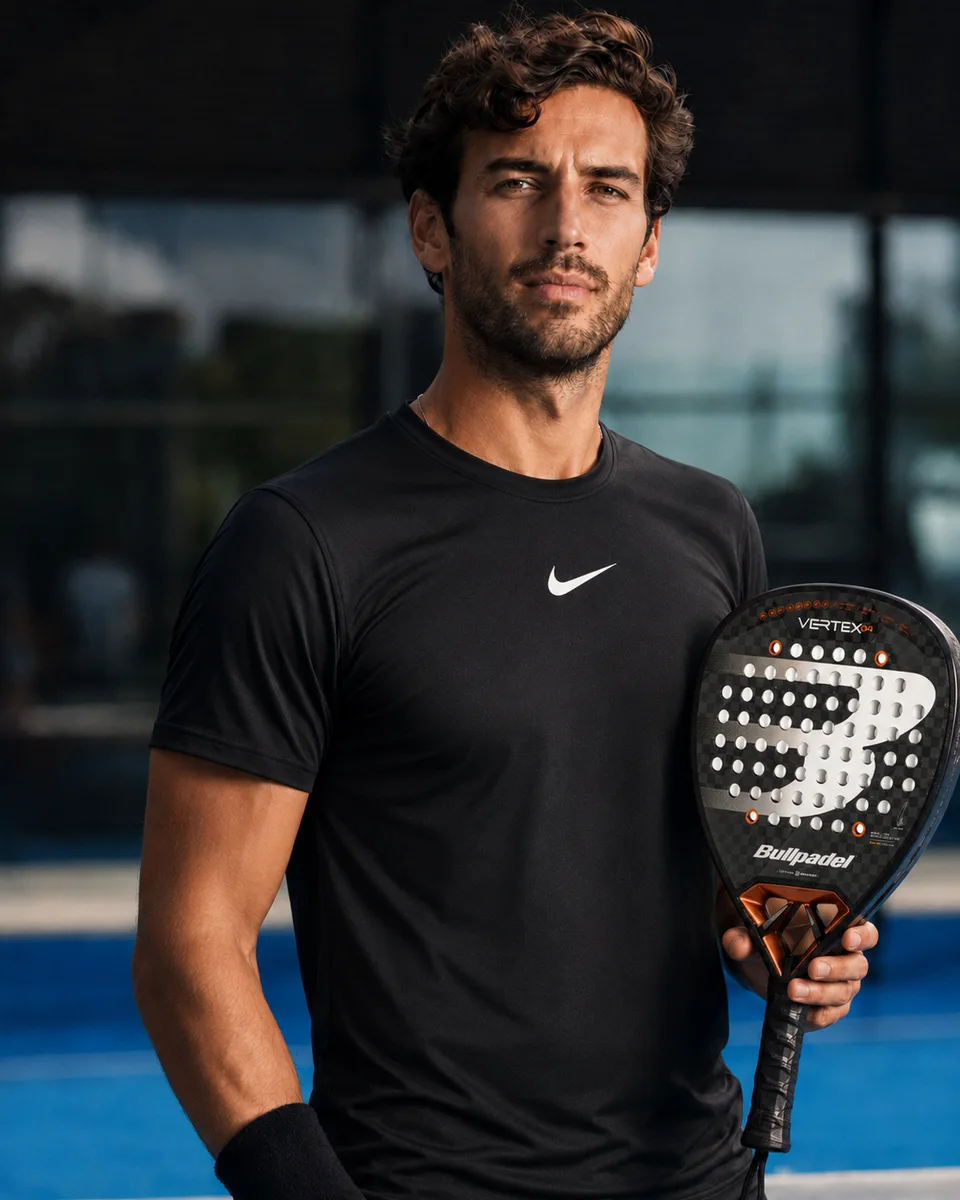
Padel racket surface comparison
| Surface | Typical benefit | Best for | Limit |
|---|---|---|---|
| Smooth | Clean contact and predictable release | Beginners and simple control | Less added bite |
| Sandy rough | Extra friction feel | Viboras and controlled spin | Texture can wear |
| 3D relief | More pronounced grip points | Players who shape the ball | Can feel less smooth on flat shots |
| Hybrid texture | Balanced feel | All-court players | Not a substitute for technique |
How surface texture actually creates spin
Spin comes from a brushing contact where the face slides across the ball while gripping it. Texture increases the friction of that contact, so a rougher surface can bite a fraction more and help the ball grab when you are already brushing. The key word is already: texture amplifies a brushing swing, it does not create one.
It helps to be realistic about scale. Padel rackets are far smaller and stiffer than a strung tennis racket, and the ball is under lower pressure, so the total spin you can generate is modest compared to tennis. Texture nudges that ceiling up a little; it does not turn a flat hitter into a spin player. Foam plays a role too, as covered in our soft vs hard foam guide.
If your contact is flat, late, or off-center, no surface will save the shot. Fix the swing path first, then let texture add the finishing bite.
- Spin needs a brushing swing; texture only amplifies it.
- Padel produces less spin than tennis due to stiff face and low-pressure ball.
- Flat or late contact cancels out any texture advantage.
Where texture actually helps
Texture is most noticeable when you already brush the ball: viboras, slice lobs, chiquitas, and controlled spin volleys. If your contact is flat or late, texture will not rescue the shot.
Luca checks whether texture helps without making the face feel inconsistent on blocks and resets.
In practice the biggest wins show up on the vibora and on shaped lobs that need to dip and grab the back glass. On flat drives and simple blocks, texture barely matters.
- Texture is useful for players who already shape the ball.
- Smooth faces can be easier for simple, clean contact.
- Do not choose texture before choosing the right shape and balance.
Sand-blasted vs 3D relief vs smooth
Sand-blasted (sandy rough) faces have a gritty coating baked into the surface, giving even, fine friction across the whole face. It is the most common textured finish and feels natural on brushing shots without changing flat contact much.
3D relief faces add raised patterns, ridges, or embossed shapes molded into the surface. They create more pronounced grip points and can feel grabbier on shaped shots, but some players notice the ball catching slightly on flat drives, which can feel less clean.
Smooth faces have a painted finish with little added grit. They give the most predictable release and are easy for beginners, at the cost of the extra bite that helps advanced players finish shaped shots.
| Finish | How it is made | Feel on shaped shots | Wear over time |
|---|---|---|---|
| Smooth | Painted, minimal grit | Least added bite | Consistent, little to lose |
| Sand-blasted | Gritty coating in the paint | Even, natural friction | Grit smooths with heavy use |
| 3D relief | Molded ridges or patterns | Grabbiest on brushing shots | Raised points can flatten |
| Hybrid | Grit plus light relief | Balanced bite | Depends on the specific build |
Texture wears out, and that changes feel
Any added texture is a consumable to some degree. Sand-blasted grit gradually smooths with heavy play and cage scrapes, and 3D ridges can flatten over months. A racket that felt grabby when new can feel closer to smooth after a season of frequent play.
This matters if you buy specifically for texture. If bite is central to your game, expect the effect to fade and plan around it, rather than assuming day-one grip lasts the life of the racket. Smooth faces, by contrast, change less because there is less texture to lose.
Care slows the wear. Keeping the face off the back glass, avoiding frame scrapes, and storing the racket out of hot car trunks all help the finish last.
- Sand-blasted grit smooths with heavy use.
- 3D relief ridges can flatten over months.
- Smooth faces stay more consistent because there is less to lose.
- Careful storage and fewer cage scrapes extend the finish.
Surface vs technique: what really moves your spin
If you want more spin, your swing path is the biggest lever by far. Brushing up and across the ball, meeting it out in front, and accelerating through contact will add more spin than any surface upgrade. Grip and racket-face angle come next.
Surface texture is the last few percent. It is real and worth having for players who already shape the ball, but chasing spin by buying a rougher racket while keeping a flat swing is spending money in the wrong place. Book a lesson on the vibora before you shop for grit.
- Swing path and acceleration create most of your spin.
- Grip and face angle come next.
- Surface texture is the final few percent, not the foundation.
The buying rule
If two rackets fit your game equally, surface texture can be a useful tie-breaker. If the specs do not fit, texture should not save the purchase.
Rank your decision in order: shape, balance, weight, foam, comfort, and then surface. When the first five line up with your game and level, pick the texture that matches how much you shape the ball, and demo it if you can. See our shapes guide and balance guide for those earlier decisions.
Related Reviews
These are the reviews I would open next if this guide describes the decision you are trying to make.
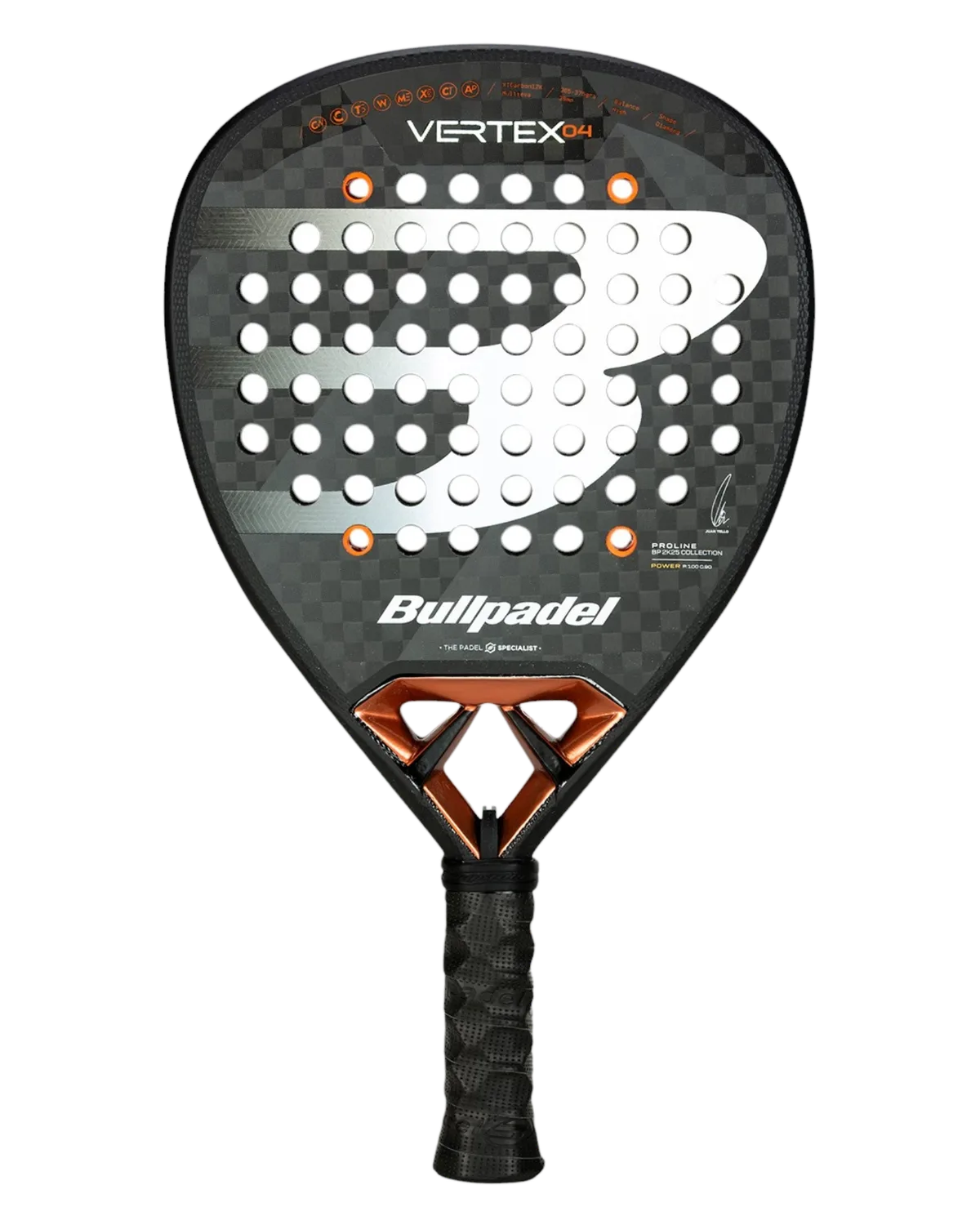
Best attacking racket deal
Bullpadel Vertex 04 Juan Tello
A diamond racket that gives advanced players heavy overheads without feeling as punishing as the raw power label suggests.
- Review
- 9.2/10
- Price
- $239.00
- Best for
- Left-side players who win points with bandejas, viboras, and overhead pressure
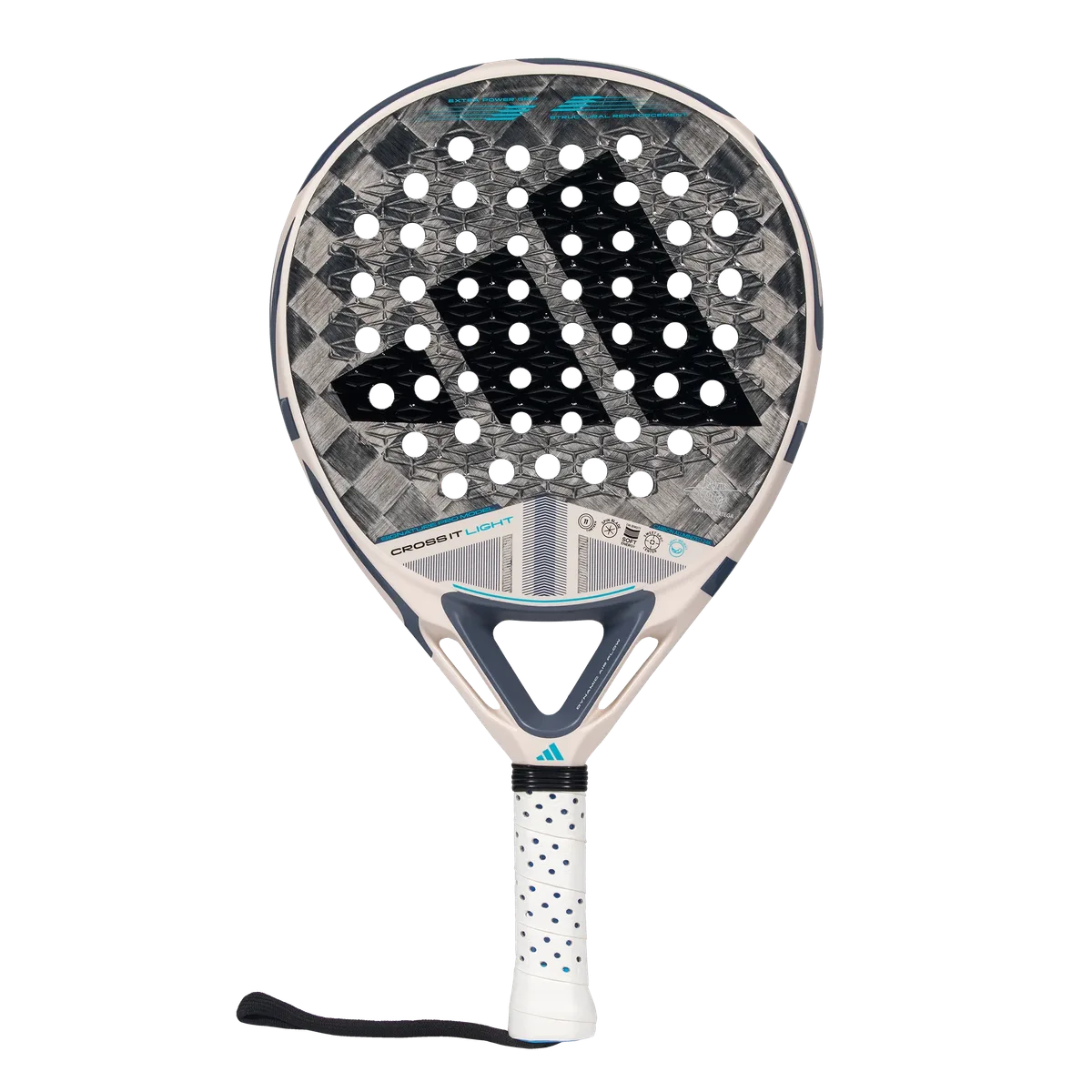
Best lightweight control racket
Adidas Cross It Light 3.4 2025
A fast, precise round racket for players who want advanced touch without fighting the head weight.
- Review
- 9.1/10
- Price
- $288.75
- Best for
- Control players who defend with the glass and reset rallies
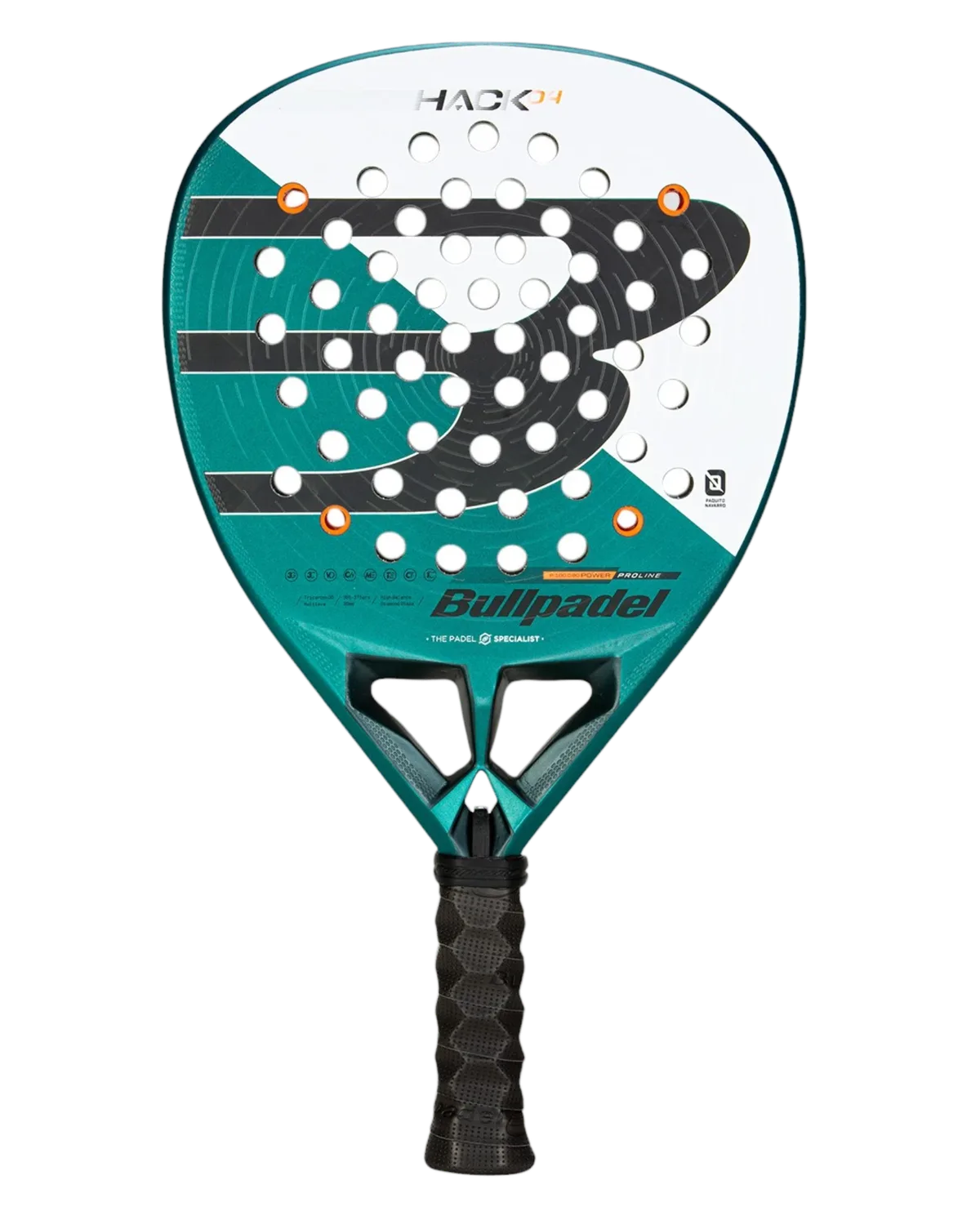
Most explosive advanced racket
Bullpadel Hack 04 Paquito Navarro 2025
A demanding, high-balance power racket that feels incredible when your timing is clean and unforgiving when it is not.
- Review
- 8.8/10
- Price
- $219.00
- Best for
- Advanced attackers who want maximum ball speed
Related Guides and Tools
Next step
Best power rackets
Use this next if you want to turn the guide into a shortlist or a direct product decision.
Next step
Shape guide
Use this next if you want to turn the guide into a shortlist or a direct product decision.
Next step
Racket comparison engine
Use this next if you want to turn the guide into a shortlist or a direct product decision.
Rough vs smooth padel racket surface FAQ
Do rough padel rackets create more spin?
Rough surfaces can help the ball bite when the player already brushes the ball, but technique and contact quality still matter more. Texture amplifies a brushing swing; it does not create spin on flat or late contact.
Should beginners buy rough surface rackets?
Beginners can use rough surface rackets, but they should prioritize forgiveness, comfort, and easy control before texture. A smooth or lightly textured face is often easier for clean, simple contact while technique develops.
What is the difference between sand-blasted and 3D relief surfaces?
Sand-blasted faces have an even, gritty coating that adds fine friction across the whole face. 3D relief faces have molded ridges or patterns that grip more on shaped shots but can feel less clean on flat drives.
Does padel racket texture wear out?
Yes. Sand-blasted grit smooths with heavy play and 3D ridges can flatten over months, so a grabby racket can feel closer to smooth after a season. Smooth faces change less because there is less texture to lose.
Is padel spin the same as tennis spin?
No. Padel rackets are smaller and stiffer and the ball is lower-pressure, so total spin is modest compared to tennis. Surface texture nudges the ceiling up slightly but does not deliver tennis-level spin.
Should I choose a racket based on its surface?
Only as a tie-breaker. Decide on shape, balance, weight, foam, and comfort first, then pick the surface that matches how much you shape the ball. Texture should never rescue a racket whose core specs do not fit your game.