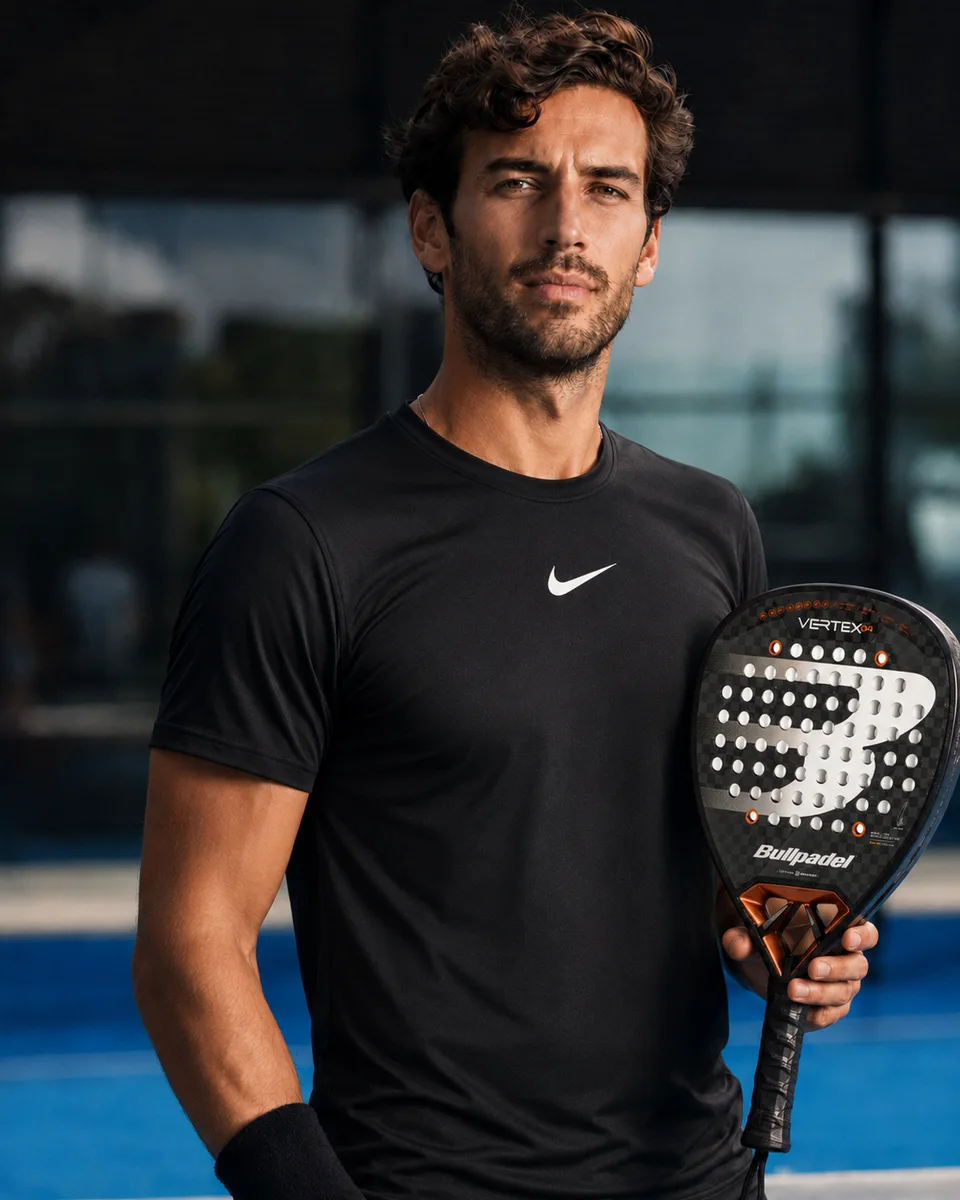
Padel shoe slipping causes
| Symptom | Likely cause | Fix |
|---|---|---|
| Slides on every stop | Worn or wrong outsole | Move to a padel-specific court shoe |
| Foot slides inside shoe | Loose fit or sizing up too much | Improve lacing or choose better midfoot hold |
| Only slips in corners | Uneven sand or late braking | Check court patches and footwork |
| Feels stuck then releases | Too much bite for the court | Try a more predictable mixed-surface outsole |
| Slick after a clean court | Sand packed in the tread | Brush and rinse the outsole |
Check inside slip before court slip
If your foot moves inside the shoe, the outsole might be fine. A loose heel or sloppy midfoot can feel like traction failure because your body still loses trust on hard stops, and once you distrust your footing you brake early and reach with the racket instead of the legs.
Tighten the midfoot, check heel lift, and test a few lateral stops before blaming the court. Slide a finger behind the heel with the shoe laced; if there is real gap, the fit is your problem, not the surface. Players with wider feet should also check our wide feet shoe guide, since a squeezed forefoot causes similar symptoms.
- Look for polished or smooth outsole zones.
- Check whether the upper still holds your foot.
- Notice if slipping happens on every court or only one surface.
- Replace shoes when the tread and support both feel tired.
Read the outsole wear pattern
The tread tells you the story if you know where to look. Padel loads the outer forefoot and the toe drag zone hardest, so those areas polish first. Flip the shoe over and compare the pattern there to the untouched rubber under the arch: if the braking zones are smooth while the arch still shows sharp edges, the shoe is worn out even if it looks fine on the shelf.
A quick home test is to run a fingernail across the tread. Fresh rubber grabs the nail; dead rubber feels slick and glassy. Once the zones you actually push off from feel glassy, no lacing trick brings the grip back.
| Where it is worn | What it means | Action |
|---|---|---|
| Outer forefoot smooth | Normal braking wear, advanced | Plan a replacement soon |
| Toe drag zone shiny | Late, upright braking habit | Fix footwork and replace shoe |
| Even overall polish | High mileage, end of life | Replace now |
| Tread full of sand | Clogged, not worn | Clean before judging grip |
When a new shoe is the answer
If you are using running shoes, casual trainers, or court shoes with worn tread, a real padel shoe is worth it. Better traction also lets you use your legs instead of reaching with the racket, which cleans up your whole game, not just your footing. Our shoe surface guide covers which outsole suits your court.
If your shoes are new and surface-appropriate, the next check is footwork: late braking, upright posture, and reaching into corners can all create avoidable slides. A great outsole cannot save a body that brakes a half-second too late over the top of the foot.
| Step | What to check | Buy new shoes? |
|---|---|---|
| 1 | Outsole condition | Yes if tread is worn smooth |
| 2 | Shoe type | Yes if using running or casual shoes |
| 3 | Fit and lacing | Only if foot still slides inside |
| 4 | Court and footwork | Not always; adjust movement first |
Footwork habits that cause slides
Even the right shoe slides if you ask it to stop at the wrong moment. Braking late, standing tall over the foot, and reaching into the corner all push the outsole past what it can hold. The fix is timing: split step earlier, get lower, and take the last step with a bent knee so the shoe loads gradually.
Sliding into a shot on purpose is a skill on sanded turf, but an accidental slide from poor timing is a fall waiting to happen. When you can brake in a low, athletic stance, most so-called traction problems quietly disappear.
- Split step a beat earlier so you are not braking flat-footed.
- Bend the knees and lower your center on the last step.
- Load the outer forefoot, not the heel, when you stop.
- Avoid stretching into corners you can reach with better positioning.
Surface and court checks
Sometimes the slip is the court, not you. Freshly sanded or unevenly maintained courts play loose, and a patch of extra sand in one corner will grab your shoe differently than the rest of the court. If you only slide in one spot or on one specific court, sweep or note the patch rather than assuming your gear failed. Playing mostly on sanded outdoor turf? See our sanded turf shoes guide.
Surface mismatch is the flip side: an aggressive outsole built for loose outdoor sand can feel stuck and then release suddenly on a clean indoor court, which reads as a slip even though it is really too much bite. Matching the outsole to the court, not maxing out grip, is what keeps braking predictable.
- Note whether you slip everywhere or on one court or corner.
- Sweep loose sand patches before blaming the shoe.
- Expect indoor and outdoor courts to grip differently.
- Avoid maxing out grip on clean indoor surfaces.
Care that prevents fake slipping
A shockingly common cause of slipping is a clean-looking outsole full of packed sand. The rubber has grip left, but the tread is filled, so the shoe skates. This fools even experienced players into buying a new pair too early, and it happens most on well-sanded outdoor courts in the US.
Tap your soles together after each match, brush the tread with a stiff brush and water when it clogs, and store the shoes somewhere dry rather than a hot car trunk where heat hardens the rubber. Two minutes of care regularly restores grip that felt gone, and it stretches the life of an otherwise good pair.
Related Reviews
These are the reviews I would open next if this guide describes the decision you are trying to make.
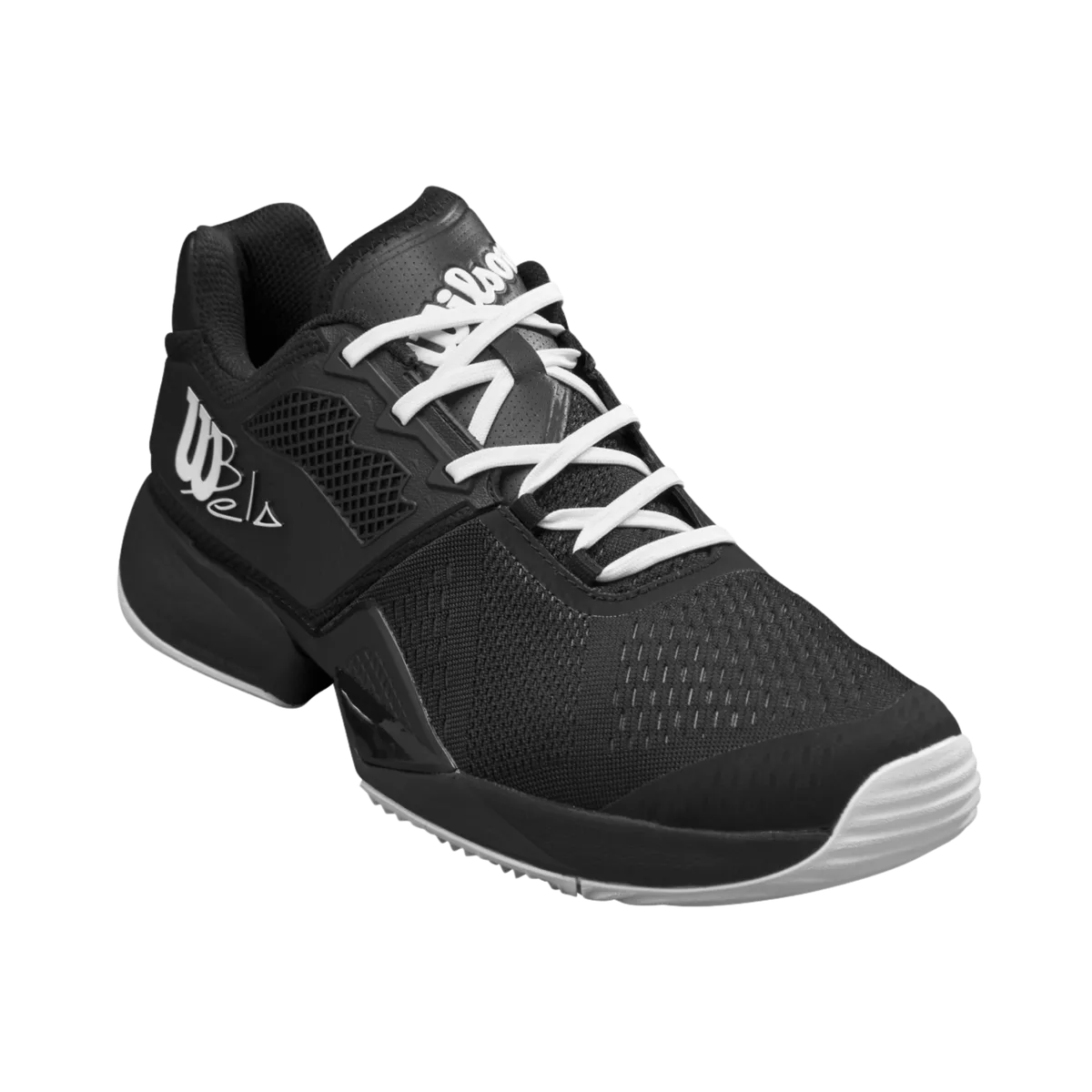
Best stability shoe
Wilson Bela Tour Men's Padel Shoes
A stable padel-specific shoe for players who cut hard, defend corners, and need lateral confidence more than a featherweight feel.
- Review
- 8.9/10
- Price
- $159.00
- Best for
- Players who slide, stop, and recover hard in the corners
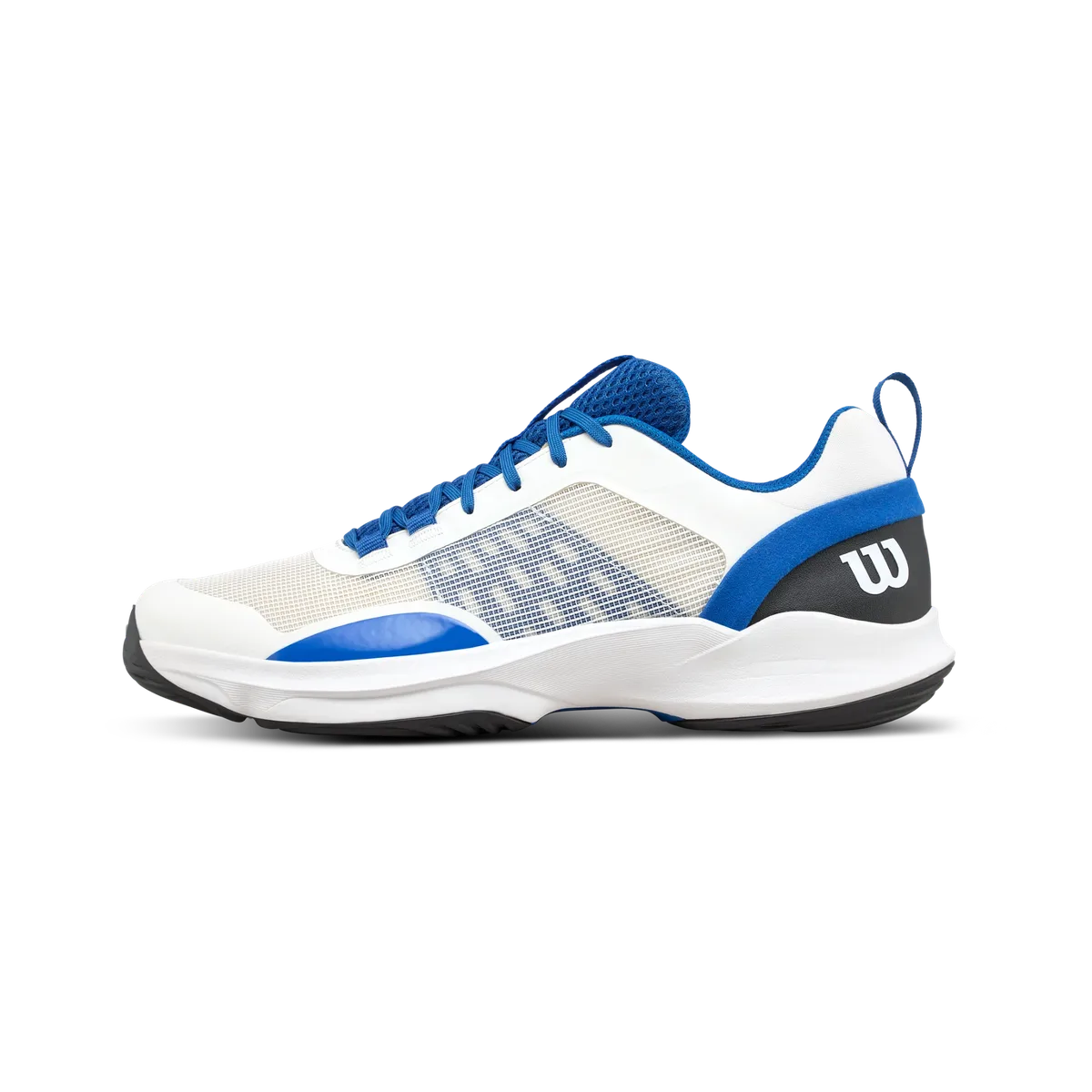
Tool-tested stability shoe pick
Wilson HURAKN Pro V2 Men's Padel Shoes
A step-up men's shoe choice for more support as play frequency increases.
- Review
- 8.3/10
- Price
- $135.00
- Best for
- A step-up men's shoe choice for more support as play frequency increases.
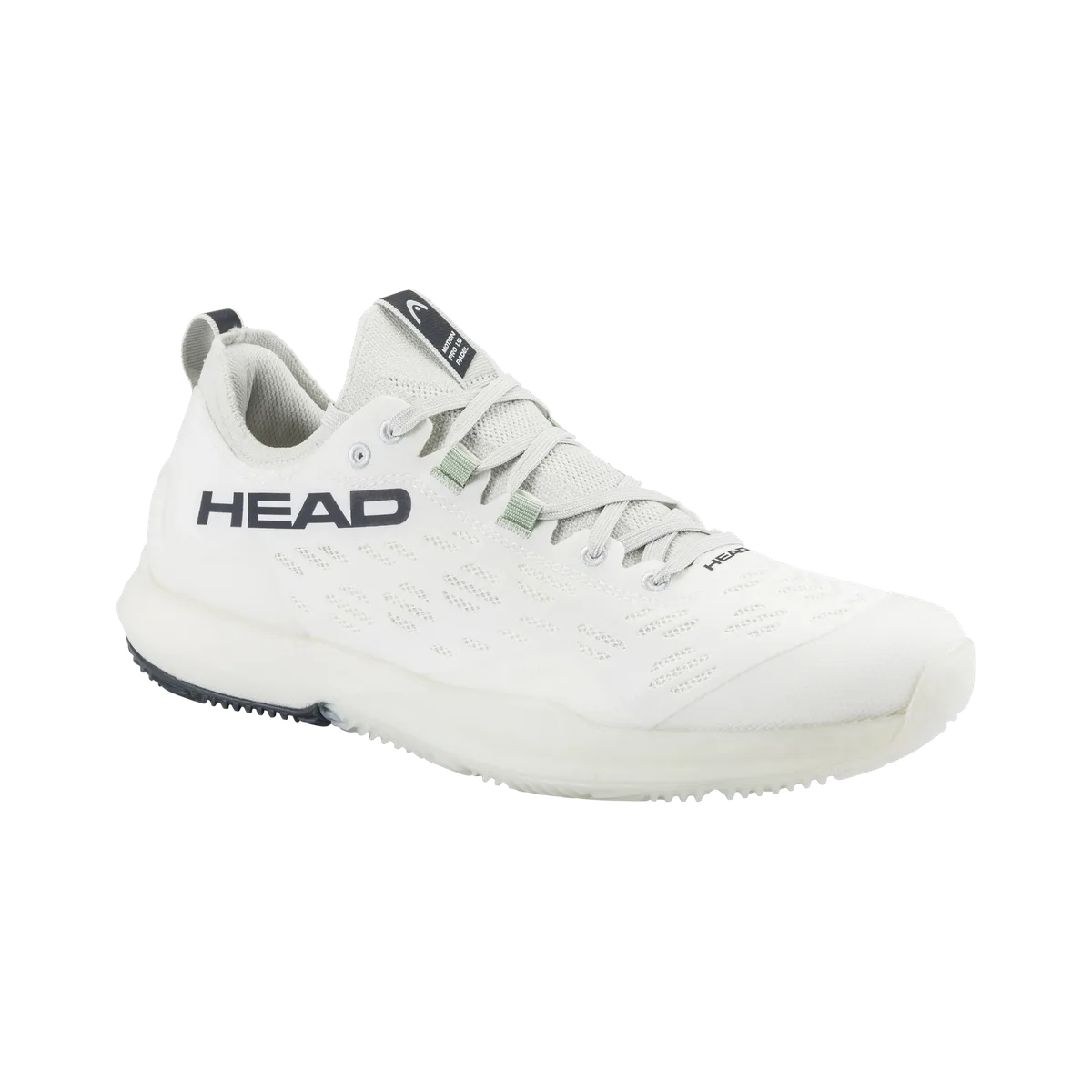
Tool-tested stability shoe pick
Head Motion PRO 1.5 Men Padel Shoes
A balanced men's padel shoe pick when stability and comfort matter.
- Review
- 8.4/10
- Price
- $129.00
- Best for
- A balanced men's padel shoe pick when stability and comfort matter.
Related Guides and Tools
Next step
Best padel shoes
Use this next if you want to turn the guide into a shortlist or a direct product decision.
Next step
Sanded turf padel shoes
Use this next if you want to turn the guide into a shortlist or a direct product decision.
Next step
Shoe finder quiz
Use this next if you want to turn the guide into a shortlist or a direct product decision.
Why are my padel shoes slipping? FAQ
Why do my padel shoes slip?
Padel shoes can slip because the outsole is worn, the shoe is not built for padel movement, the court has uneven sand, the fit is loose, or your footwork is late.
Do new padel shoes stop slipping?
New padel shoes can help if the current outsole is worn or wrong for the surface. They will not fully fix slipping caused by a loose fit, uneven court sand, or late braking.
Are running shoes bad for padel traction?
Running shoes are not ideal for padel because they are built for forward motion, not repeated lateral stops, pivots, and corner recoveries.
How can I tell if my outsole is worn out?
Check the outer forefoot and toe drag zones where padel braking loads the shoe. If those areas feel glassy under a fingernail while the arch rubber is still sharp, the shoe is worn out and grip will be unreliable.
Can my footwork be the reason I slip?
Yes. Braking late, standing tall over the foot, and reaching into corners push the outsole past its grip. Splitting earlier, getting lower, and loading the outer forefoot on the last step removes many slides a new shoe cannot fix.
Why do my shoes slip even though the tread looks fine?
The tread is probably packed with sand, which makes good rubber skate. Tap the soles together, brush them with water, and retest before assuming the shoes are worn out.