Sweet spot by racket style
| Racket style | Sweet spot tendency | Best fit | Common miss |
|---|---|---|---|
| Round control | Centered and forgiving | Beginners and defenders | Less finishing power |
| Teardrop all-court | Slightly higher but still practical | Intermediates | Can feel inconsistent if poorly matched |
| Diamond power | Higher and smaller | Advanced attackers | Frames late defensive balls |
| Ultralight comfort | Easy to reach but less stable | Arm-sensitive players | Twists against heavy pace |
What the sweet spot actually is
The sweet spot is the zone on the face where the ball rebounds cleanest, with the most energy return and the least vibration and twist. Hit inside it and the ball feels effortless and predictable; hit outside it and you lose pace, feel a buzz through the handle, and the racket may torque in your hand.
Two things drive it: where the zone sits vertically on the face, and how large it is. Round rackets place the zone low and central and make it large; diamond rackets push it high toward the tip and make it smaller. Neither is wrong, but they reward different players and different swings. Our racket shapes guide breaks down that trade-off in detail.
For most club players, sweet spot size matters more than power on paper. A large, central sweet spot means more of your imperfect contacts still land where you aimed.
- Sweet spot = cleanest rebound plus least vibration and twist.
- Location (low vs high) and size (large vs small) both matter.
- Bigger and more central usually means more forgiving.
Why the sweet spot matters more in padel than warmup
Warmup hides a lot because the ball arrives cleanly. In real padel, you hit from the glass, below net height, and under pressure. A forgiving sweet spot keeps those balls playable.
Luca checks sweet spot by alternating low blocks, deep lobs, and body volleys. If the racket only feels good on perfect contact, the score drops for most club players.
This is why beginner rackets and pro rackets can feel worlds apart even with similar weight. The difference you feel is often the sweet spot doing the forgiving for you.
- More centered sweet spot equals easier defense.
- Higher sweet spot equals more overhead leverage.
- Smaller sweet spot equals more reward for clean timing and more punishment for rushed contact.
How shape and balance move the sweet spot
Shape sets the vertical position. Round frames put the widest part of the head low, near your hand, so the sweet spot sits low and central. Teardrops shift it toward the middle, and diamonds push it high toward the top of the face where there is more mass for smashing.
Balance changes how that zone behaves. A high-balance (head-heavy) racket concentrates mass up top, which raises the effective sweet spot and adds leverage on overheads but makes late defensive balls harder to control. A low-balance (head-light) racket keeps mass near the hand, lowering the zone and adding maneuverability for quick volleys and blocks.
Foam and face material affect the felt size. Softer foam and more flexible faces spread the responsive area and feel more forgiving, while hard foam and stiff carbon shrink the felt sweet spot and demand cleaner timing. See our foam guide and surface texture guide for how those material choices play out.
| Spec change | Effect on location | Effect on size/feel |
|---|---|---|
| Round to diamond shape | Moves higher toward the tip | Gets smaller, less forgiving |
| Low to high balance | Raises effective sweet spot | More leverage, less stability late |
| Hard to soft foam | Little change in location | Feels larger and more forgiving |
| Stiff carbon to fiberglass face | Little change in location | Feels softer and more spread out |
What off-center contact really does
Off-center hits fail in two ways. Vertical misses (too high or too low) mostly cost you depth and pace because you are outside the energy-return zone. Horizontal misses toward the edges cost you control because the racket twists around its long axis, sending the ball off your intended line and buzzing your forearm.
The twisting is where comfort and injury risk live. Repeated edge contact on a stiff, head-heavy racket transmits more shock to the elbow, which is why arm-sensitive players do better with a large, central sweet spot and softer foam.
You can feel your own miss pattern. If your errors are mostly short and floaty, you are catching the ball low; if they spray left and right with a buzz, you are catching the edges.
- Vertical misses cost depth and power.
- Edge misses cost direction and add arm shock.
- A bigger sweet spot shrinks the penalty for both.
How to find and test the sweet spot yourself
You can map a racket's sweet spot at home with a simple bounce test. Hold the handle loosely and bounce a ball off different spots on the face; the zone that gives the liveliest, cleanest rebound with the least sting is your sweet spot. Do it low, center, and high to feel where it sits.
On court, the real test is variety. Hit ten blocks off the glass, ten lobs, and ten volleys, and notice how many still land well when your contact is not perfect. A forgiving racket keeps most of those in play; a demanding one only rewards the clean ones.
- Bounce a ball across the face to feel the liveliest zone.
- Compare low, center, and high contact points.
- On court, judge by imperfect contacts, not clean ones.
- If most edge hits still land, the sweet spot is forgiving.
Matching the sweet spot to your level
Beginners and defensive players should prioritize a large, central sweet spot: a round or forgiving teardrop shape, low-to-medium balance, and medium-to-soft foam. That combination keeps late balls, resets, and body volleys playable while your timing develops.
Advanced attackers can trade forgiveness for a higher, smaller sweet spot on a diamond frame because their contact is consistent and they want the overhead leverage. Intermediates usually live happiest in the middle with a teardrop that keeps a usable sweet spot without giving up finishing power.
- Beginner/defender: round or forgiving teardrop, low-medium balance.
- Intermediate: teardrop all-court for a usable middle ground.
- Advanced attacker: diamond with a higher, smaller sweet spot.
Related Reviews
These are the reviews I would open next if this guide describes the decision you are trying to make.
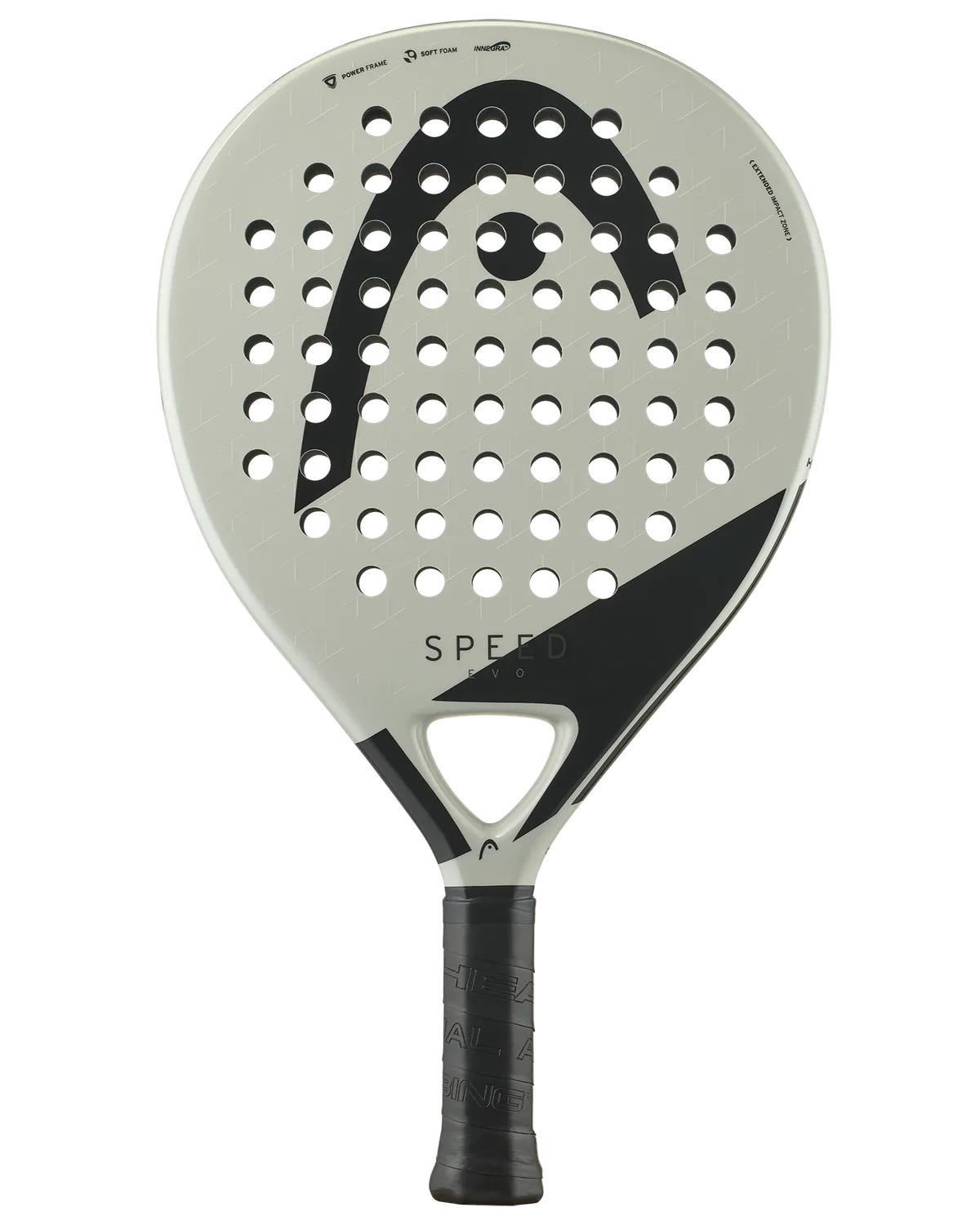
Best beginner value
Head Evo Speed
An affordable, easy-launching racket that helps new players learn padel patterns without punishing every late contact.
- Review
- 8.6/10
- Price
- $99.95
- Best for
- First racket buyers who want a real padel frame under $150
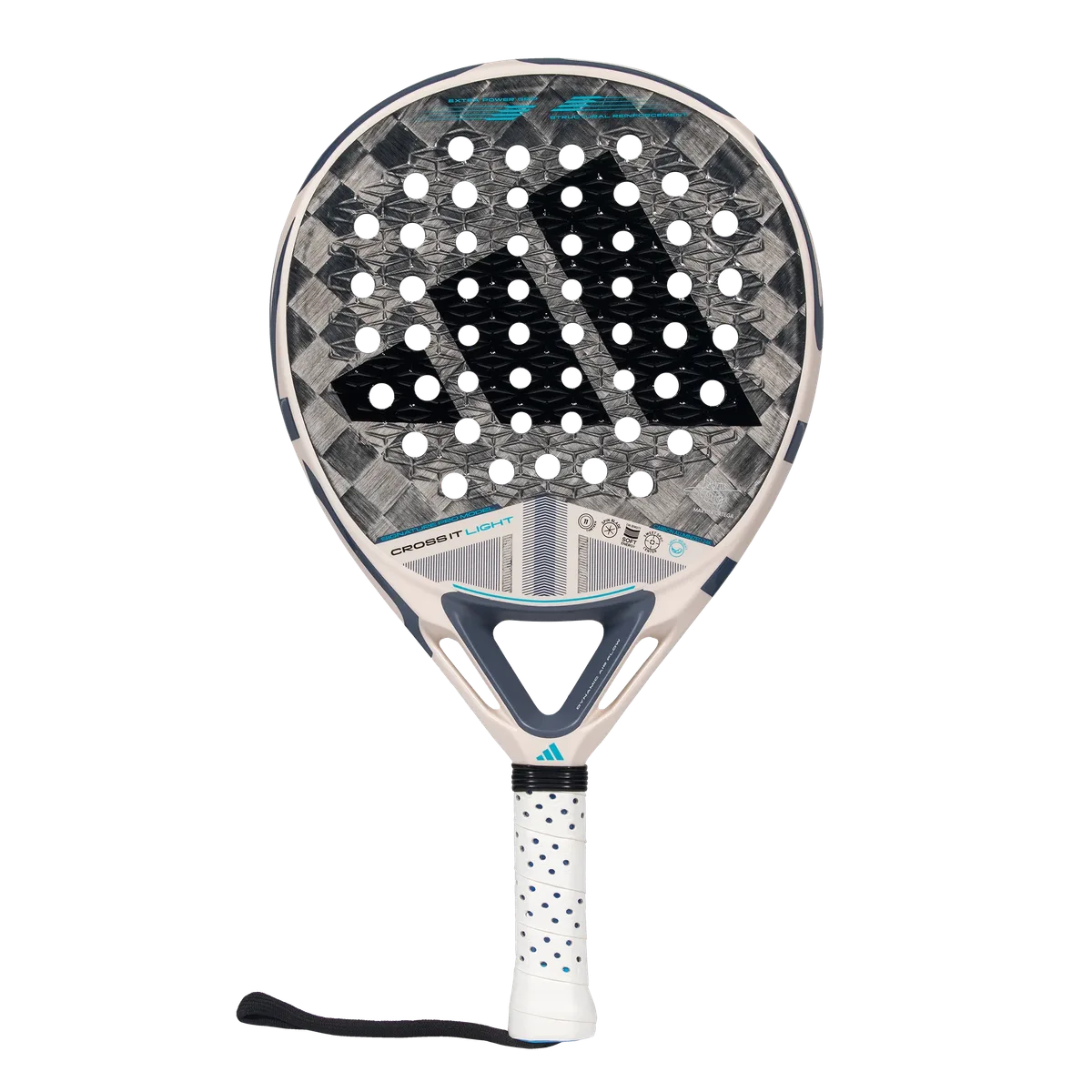
Best lightweight control racket
Adidas Cross It Light 3.4 2025
A fast, precise round racket for players who want advanced touch without fighting the head weight.
- Review
- 9.1/10
- Price
- $288.75
- Best for
- Control players who defend with the glass and reset rallies
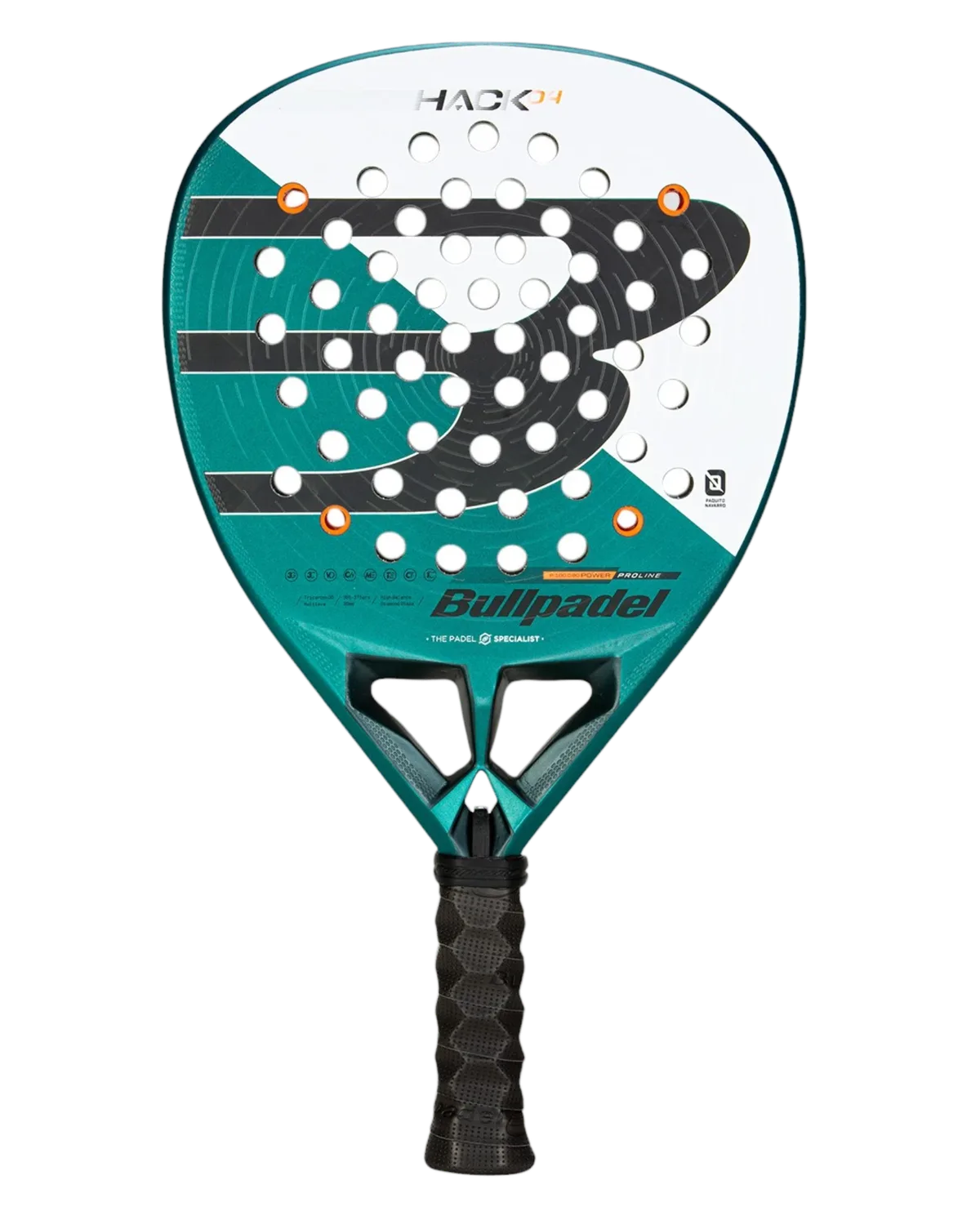
Most explosive advanced racket
Bullpadel Hack 04 Paquito Navarro 2025
A demanding, high-balance power racket that feels incredible when your timing is clean and unforgiving when it is not.
- Review
- 8.8/10
- Price
- $219.00
- Best for
- Advanced attackers who want maximum ball speed
Related Guides and Tools
Next step
Shape guide
Use this next if you want to turn the guide into a shortlist or a direct product decision.
Next step
Best beginner rackets
Use this next if you want to turn the guide into a shortlist or a direct product decision.
Next step
Racket finder
Use this next if you want to turn the guide into a shortlist or a direct product decision.
Padel racket sweet spot explained FAQ
What padel racket has the biggest sweet spot?
Round and forgiving teardrop rackets usually have the most beginner-friendly sweet spot, though exact feel depends on foam, face, and balance. A round shape with low-to-medium balance and medium-to-soft foam gives the largest, most central responsive zone.
Do power rackets have smaller sweet spots?
Many high-balance diamond power rackets have a higher and less forgiving contact zone, which is why they reward advanced timing. The extra mass up top adds overhead leverage but makes late defensive balls and off-center hits harder to control.
How do I find the sweet spot on my padel racket?
Hold the handle loosely and bounce a ball off different spots on the face. The area that rebounds cleanest and stings the least is the sweet spot. Test low, center, and high so you know where it sits before matches.
Does a bigger sweet spot mean less power?
Not exactly. Forgiving rackets often trade a little peak power for a larger, more central sweet spot, but you usually gain more from consistent clean contact than from a small high-power zone you rarely hit.
Why does my racket twist on some shots?
Twisting means you are catching the ball toward the edges of the face, outside the sweet spot. A larger sweet spot, softer foam, and lower balance reduce the twisting and the shock that reaches your arm.
Can foam and face material change the sweet spot?
Yes. Softer foam and more flexible faces spread the responsive area and feel more forgiving, while hard foam and stiff carbon shrink the felt sweet spot and demand cleaner timing, even if the shape stays the same.