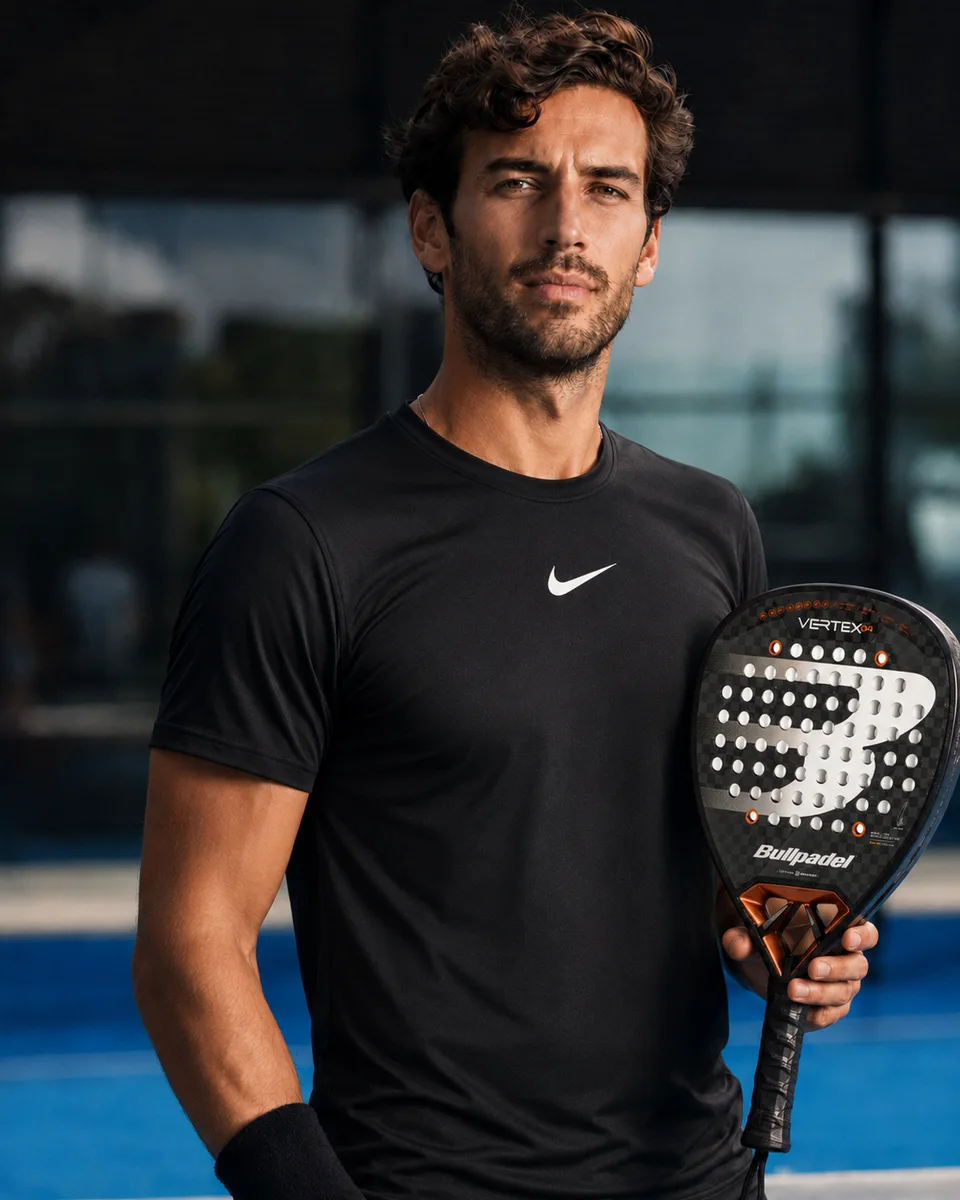
Tennis-to-padel adjustment table
| Tennis habit | Padel problem | Gear choice that helps |
|---|---|---|
| Long backswing | Late contact near glass | Lower balance and forgiving sweet spot |
| Flat power mindset | Overhitting small court | Round or teardrop control racket |
| Hard court shoe habits | Poor sliding and lateral recovery | Padel-specific shoes |
| Ignoring lobs | No reset under pressure | Comfortable racket with easy depth |
| Grip squeeze | Arm fatigue | Fresh overgrip and manageable weight |
The tennis player advantage
Tennis players often learn contact and volleys quickly. The challenge is not talent; it is learning that padel rewards smaller swings, patience, wall defense, and controlled pressure.
A demanding power racket can tempt tennis players into playing the wrong sport on a smaller court.
The good news is that hand-eye coordination, footwork, and net instincts transfer fast. Most of your first-month gains come from subtracting bad habits, not adding new skills.
- Shorten the backswing.
- Use lobs as offense, not only defense.
- Choose a racket that helps control before one that maximizes power.
- Buy padel shoes early because movement patterns are different.
Which tennis habits transfer and which hurt
Some tennis skills are gold in padel. Your volley technique, split step, court awareness, and ability to read pace all carry over and put you ahead of a true beginner. Overhead timing helps too, once you dial back the power.
The habits that hurt are the big, looping groundstroke swings and the instinct to end points with flat power. Padel courts are small and walls are in play, so a full tennis swing arrives late and overhits, while pace often just comes back off the glass faster.
The wall itself is the biggest new skill. In tennis a ball past you is gone; in padel it rebounds, so you learn to wait, let it come off the glass, and reset. Patience is a skill, not a weakness.
| Tennis skill | Verdict | Why |
|---|---|---|
| Volley technique | Keep | Compact and directly useful at the net |
| Split step and footwork | Keep | Positioning transfers well |
| Full groundstroke swing | Retrain | Too long for a small court and glass |
| Flat put-away power | Retrain | Overhits; pace rebounds off walls |
| Reading pace and depth | Keep | Speeds up wall and lob decisions |
Grip and swing: continental and shorter
Most padel shots use a continental grip, the same one tennis players use for volleys and serves. If you lean on eastern or semi-western grips for groundstrokes, get comfortable playing almost everything off continental. It keeps the face stable off the glass and makes the bandeja and vibora far easier to learn.
The swing has to shrink. Think of every stroke as closer to a tennis volley or a compact block than a full groundstroke. Meet the ball out in front, use a short preparation, and let the wall and your positioning do the work instead of a big arm swing.
The bandeja, an overhead that trades power for placement and control, is the shot that most rewards this mindset. It has no real tennis equivalent, and it becomes your bread-and-butter defensive overhead once the swing shortens.
- Default to a continental grip for almost every shot.
- Prepare short; contact the ball out in front.
- Learn the bandeja as a controlled overhead, not a smash.
- Let positioning replace swing length.
Wall play: the new skill that changes everything
The back and side glass are the single biggest adjustment. A ball that beats you is not a lost point; it usually rebounds off the glass and gives you a second chance if you stay patient and turn to play it after the bounce.
The instinct to fight is what breaks tennis players first. You want to volley or half-volley everything, but the smart play is often to let the ball pass, read the rebound off the glass, and lift a controlled lob to reset the point. That is offense in padel disguised as patience.
Practicing off the back wall for even ten minutes a session accelerates this more than any gear change. The racket helps, but the timing off the glass is a learned skill.
- Let deep balls pass and play the glass rebound.
- Turn and set up after the bounce instead of lunging early.
- Use a controlled lob to reset when pushed back.
- Spend a few minutes each session hitting off the back wall.
Translating your tennis specs to padel
Tennis specs do not map one-to-one, but the mindset carries. If you played a heavy, head-light control tennis racket, you will likely feel at home with a round or teardrop padel racket with low-to-medium balance and a forgiving sweet spot. If you swung a light, powerful tennis frame and sprayed errors, you especially want padel control, not padel power.
Weight ranges differ. Padel rackets sit roughly 350-375 g, and heavier is not better for a converting player; a manageable weight helps you shorten swings and protect your arm while you retrain. Prioritize a low or medium balance so the racket stays maneuverable at the net and off the glass. See our weight guide and balance guide for the full ranges.
Resist the diamond power rackets at first. They look like the tennis power frames you know, but their high, small sweet spot punishes the late contact that tennis swings produce early on.
| Your tennis style | Padel shape | Balance | Avoid |
|---|---|---|---|
| Control baseliner | Round or teardrop | Low to medium | High-balance diamond |
| Big flat hitter | Round control | Low | Power-first rackets |
| Serve-and-volley | Teardrop all-court | Medium | Very head-heavy frames |
| Arm-sensitive player | Round, soft foam | Low | Stiff carbon plus hard foam |
Best first racket profile for tennis converts
Luca usually points tennis converts toward a round or teardrop racket with medium or low balance. They already know how to swing; the racket should help them slow down and organize points.
Add a fresh overgrip for a secure hold without a death grip, and buy padel shoes early since the lateral movement and sliding are different from a hard court. Our padel shoes vs tennis shoes guide explains why. Save the powerful diamond racket for when your swing is short and your wall timing is reliable, usually well after your first season.
Related Reviews
These are the reviews I would open next if this guide describes the decision you are trying to make.
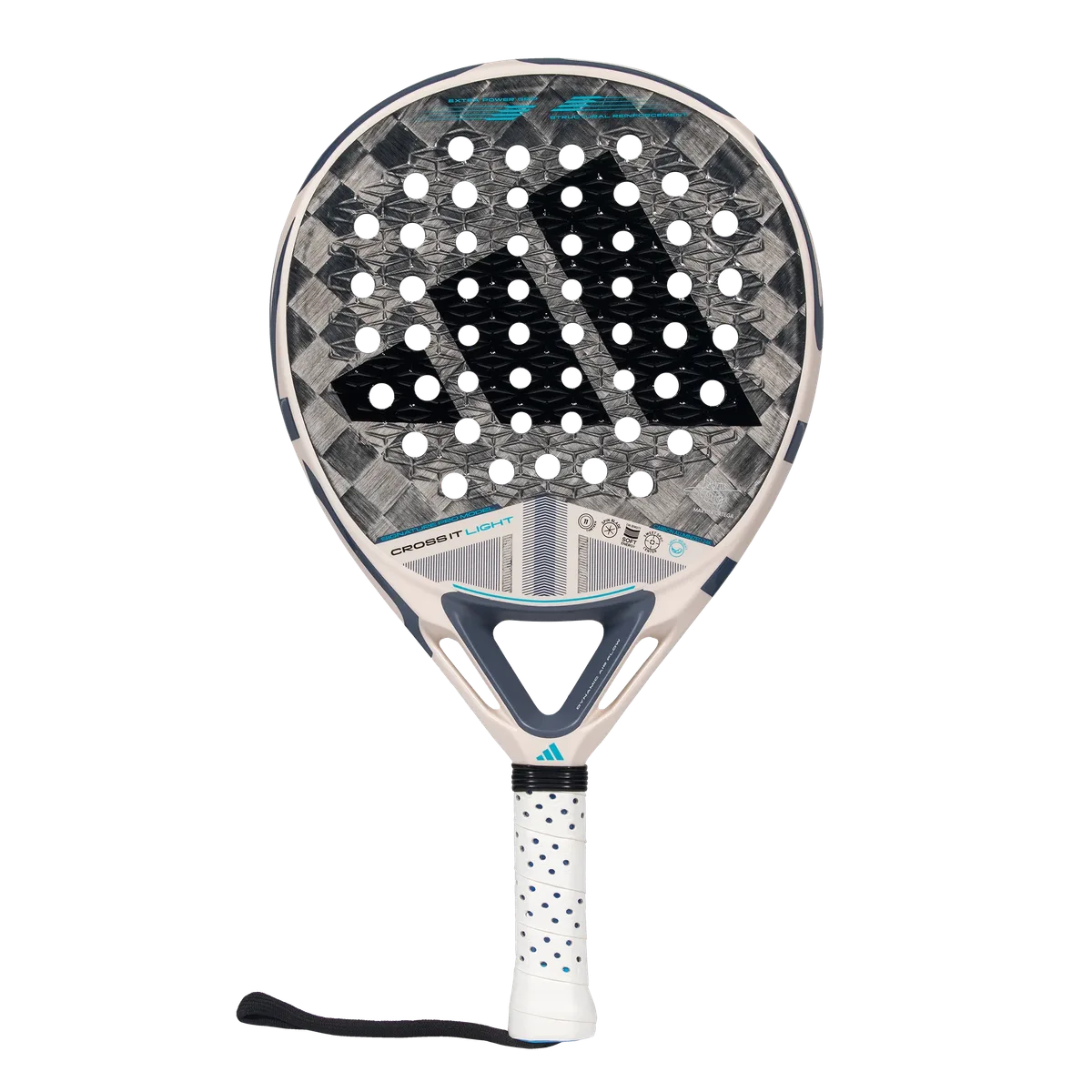
Best lightweight control racket
Adidas Cross It Light 3.4 2025
A fast, precise round racket for players who want advanced touch without fighting the head weight.
- Review
- 9.1/10
- Price
- $288.75
- Best for
- Control players who defend with the glass and reset rallies
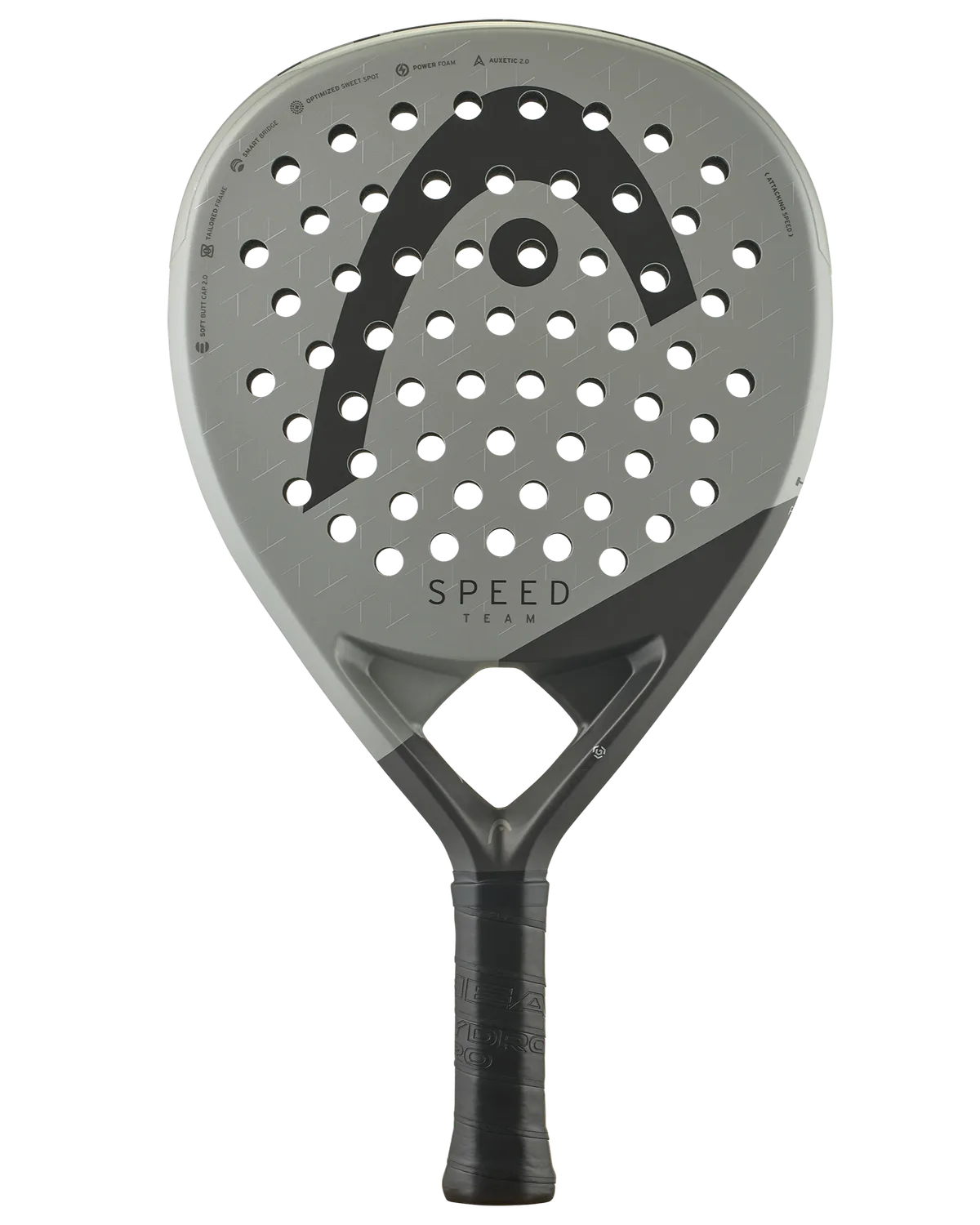
Tool-tested power racket pick
Head Speed Team
Head Speed Team is a smart fit when you want a teardrop padel racket with all court comfort behavior rather than a random catalog pick.
- Review
- 7.6/10
- Price
- $209.95
- Best for
- Improving players who want a balanced all-court racket.
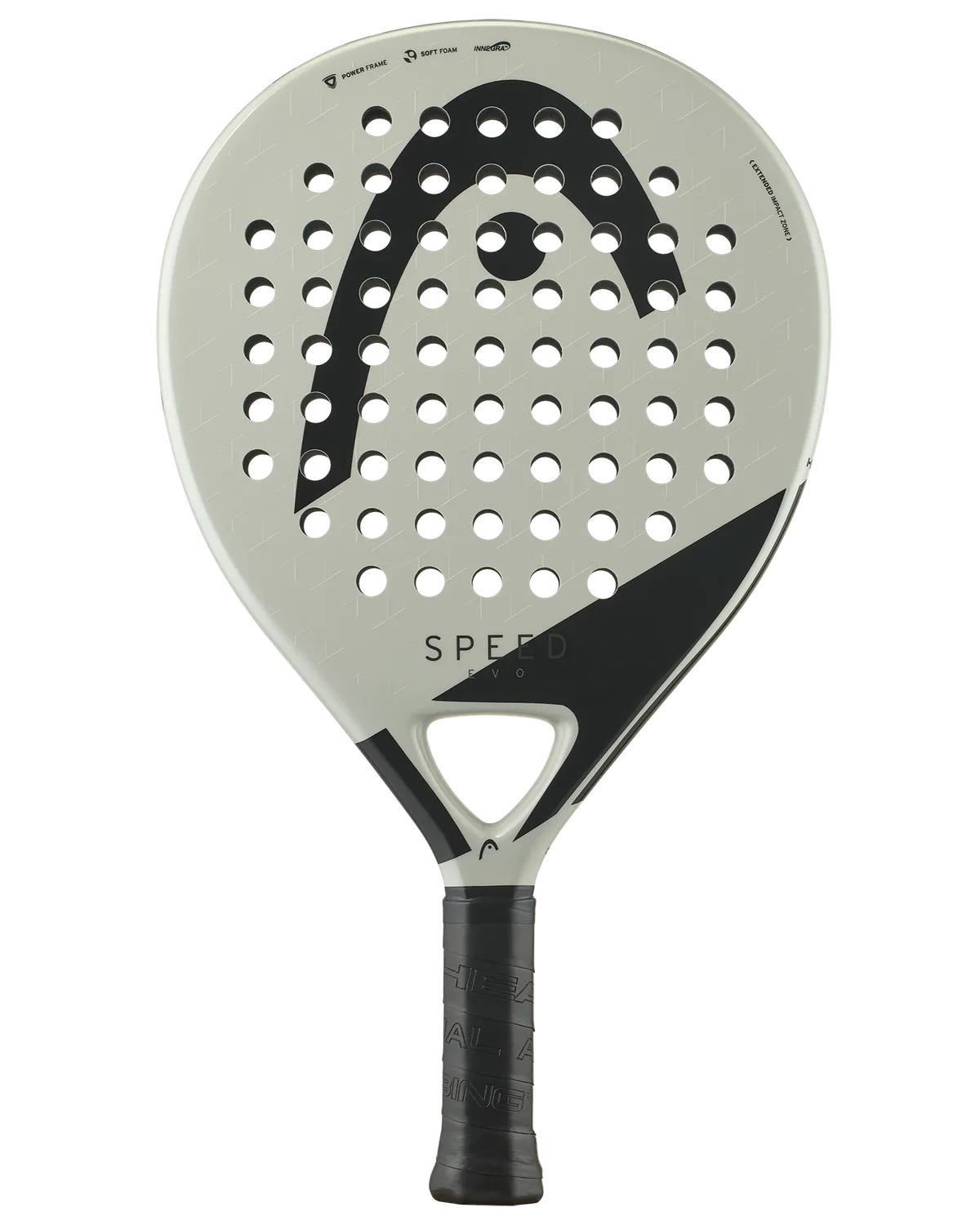
Best beginner value
Head Evo Speed
An affordable, easy-launching racket that helps new players learn padel patterns without punishing every late contact.
- Review
- 8.6/10
- Price
- $99.95
- Best for
- First racket buyers who want a real padel frame under $150
Related Guides and Tools
Next step
best padel racket for control
Use this next if you want to turn the guide into a shortlist or a direct product decision.
Next step
Shoe finder
Use this next if you want to turn the guide into a shortlist or a direct product decision.
Next step
First racket guide
Use this next if you want to turn the guide into a shortlist or a direct product decision.
Tennis players switching to padel FAQ
Should tennis players buy power padel rackets?
Not usually as a first padel racket. Many tennis players already swing hard, so a controlled racket often helps them learn padel patterns faster. Save the powerful diamond frames for when your swing is short and your wall timing is reliable.
What racket shape is best for tennis players switching to padel?
A round or teardrop racket is usually safest because it helps with control, defense, and shorter swings while the player learns wall timing. Pair it with low-to-medium balance for maneuverability at the net.
Which tennis habits actually help in padel?
Volley technique, split step, footwork, and reading pace all transfer well and put you ahead of a true beginner. The habits that hurt are big looping groundstroke swings and the instinct to end points with flat power.
What grip should a tennis player use in padel?
Default to a continental grip for almost every shot, the same one you use for tennis volleys and serves. It keeps the racket face stable off the glass and makes learning the bandeja and vibora much easier.
Why is wall play so hard for tennis players?
In tennis a ball past you is gone, so the instinct is to fight for everything. In padel the ball rebounds off the glass, so you have to learn patience: let it pass, read the rebound, and reset with a controlled lob.
How heavy should a tennis convert's padel racket be?
Around 350-365 g with low-to-medium balance is a good starting point. Heavier is not better for a converting player; a manageable weight helps you shorten your swing and protects your arm while you retrain.