Padel shoe surfaces at a glance
| Court surface | Shoe direction | Watch out for |
|---|---|---|
| Indoor low-sand | Low-sand or mixed-surface padel shoe | Overly aggressive tread can feel sticky |
| Outdoor sanded turf | Padel-specific or clay-style traction | Worn tread can slide on loose sand |
| Mixed schedule | Predictable all-court padel outsole | Too-specialized shoes may feel wrong half the time |
| Fast indoor club | Lightweight shoe with lateral support | Running shoes do not support padel stops |
| Concrete / hard base | Durable, cushioned outsole | Thin midsoles beat up the legs |
Start with your main court
A player who mostly plays indoor low-sand courts should not buy the same way as a player who lives on outdoor sandy courts. The footwork is similar, but the outsole job changes: indoors you want a clean, predictable release, while outdoors on sand you want the pattern to bite through loose grit first.
If your schedule is mixed, choose a balanced padel outsole rather than the most extreme sanded-court tread. Buy for the court you play eighty percent of the time, then accept a small compromise on the rest rather than owning a shoe that is only right occasionally. Heavy outdoor players should also read our sanded turf shoes guide.
- Choose indoor shoes for cleaner, lower-sand courts.
- Choose sanded-court shoes when visible sand affects braking.
- Choose stability shoes if your foot feels unsupported during stops.
- Choose lightweight shoes only after traction and support are good enough.
Know your US court surfaces
US clubs run a wider mix of surfaces than many players expect, from climate-controlled indoor turf to outdoor courts built on concrete slabs and sanded to different depths. Indoor turf is usually low-sand and consistent, so predictable release matters most. Outdoor sanded turf shifts with weather and maintenance, so grip and stability come first.
Concrete-based outdoor courts add another factor: they are hard on the legs, so cushioning and a durable outsole compound matter more there than on softer bases. Knowing which of these you play on most is the single biggest decision before you compare specific models.
| Surface | Feel | Outsole priority |
|---|---|---|
| Indoor turf (low sand) | Clean, consistent grip | Predictable release, lighter feel |
| Outdoor sanded turf | Loose, weather-dependent | Bite and lateral stability |
| Concrete base court | Firm, hard underfoot | Cushioning and durable rubber |
| Mixed / multi-club | Varies session to session | Balanced all-court traction |
Traction styles explained
Most padel outsoles fall into a few families. Clay-style herringbone gives many small edges that bite loose sand and release cleanly, which is why it suits outdoor sanded courts. A padel-specific all-court pattern balances grip and release for players who switch surfaces. Smoother, lower-profile outsoles feel fast and predictable indoors but can slide on heavy sand.
The mistake is thinking more aggressive is always safer. On a clean indoor court, an aggressive lug can grab mid-rotation and stress the knee, while on loose sand a smooth sole simply skates. Match the pattern to the grit under your feet, not to a general idea that grip is grip.
Rubber compound matters alongside the pattern. Softer compounds grip well but wear fast on abrasive outdoor sand, while firmer compounds last longer but can feel less lively indoors. If you play outdoors most weeks, lean toward durability; if you are on clean indoor turf, you can afford a livelier, softer sole.
- Herringbone / clay-style: many edges, great on loose sand.
- All-court padel: balanced, best for mixed schedules.
- Smooth / low-profile: fast and predictable on clean indoor turf.
- Aggressive lugs: can feel sticky and jarring on hard indoor courts.
Surface is only half the fit
A shoe can have the correct outsole and still fail if the heel lifts, the midfoot is loose, or the toe box pinches. Court surface narrows the list; fit decides whether the shoe works. I have played in outsoles perfect for a court that were useless because my foot slid inside on every stop. If your feet run wide, our wide feet shoe guide covers fit specifically, and if the shoe still slides underneath you, see our guide on why padel shoes slip.
When I test shoes, I use diagonal defense drills because the first three steps after a stop reveal more than walking comfort. If the shoe holds through a hard brake, a pivot, and a recovery step, the fit is doing its job.
| If this happens | Likely issue | Next page |
|---|---|---|
| Sliding on sandy corners | Outsole or court sand mismatch | Best shoes for sanded turf |
| Foot moves inside the shoe | Fit or lacing issue | Wide feet shoe guide |
| Shoe feels stuck indoors | Too much outsole bite | Best indoor shoes |
| Shoe feels slow | Too much bulk for your movement | Best lightweight shoes |
Care and when to replace by surface
Outdoor sand is abrasive and wears outsoles faster than clean indoor turf, so an outdoor pair simply will not last as long. On either surface, packed sand in the tread fakes a traction problem, so tap and brush the soles regularly and store shoes somewhere dry instead of a hot trunk.
Replace when the braking zones, usually the outer forefoot and toe, polish smooth, or when grip feels inconsistent even after cleaning. Indoor players often get more sessions per pair, but predictability is the real test: a shoe you no longer trust on a hard stop is finished regardless of the calendar.
Choose your surface shoe in five minutes
You do not need to overthink this. Name the court you play most, decide whether it is loose and sandy or clean and firm, and pick the matching outsole family. Then confirm the fit holds through a lateral stop and check that the cushioning suits how hard your base court is.
If you are between two options, let your role break the tie. A back-court defender leans toward stability and a durable toe, while a net player who wants a sharp first volley leans toward a lighter, more planted shoe. Traction and fit come first; role is the fine adjustment once the surface is handled.
- Identify your main court and its sand level.
- Pick clay-style for loose sand, mixed for varied, smoother for clean indoor.
- Confirm secure midfoot hold and no heel lift.
- Add cushioning weight for concrete-based courts.
- Only then compare price and specific models.
Related Reviews
These are the reviews I would open next if this guide describes the decision you are trying to make.
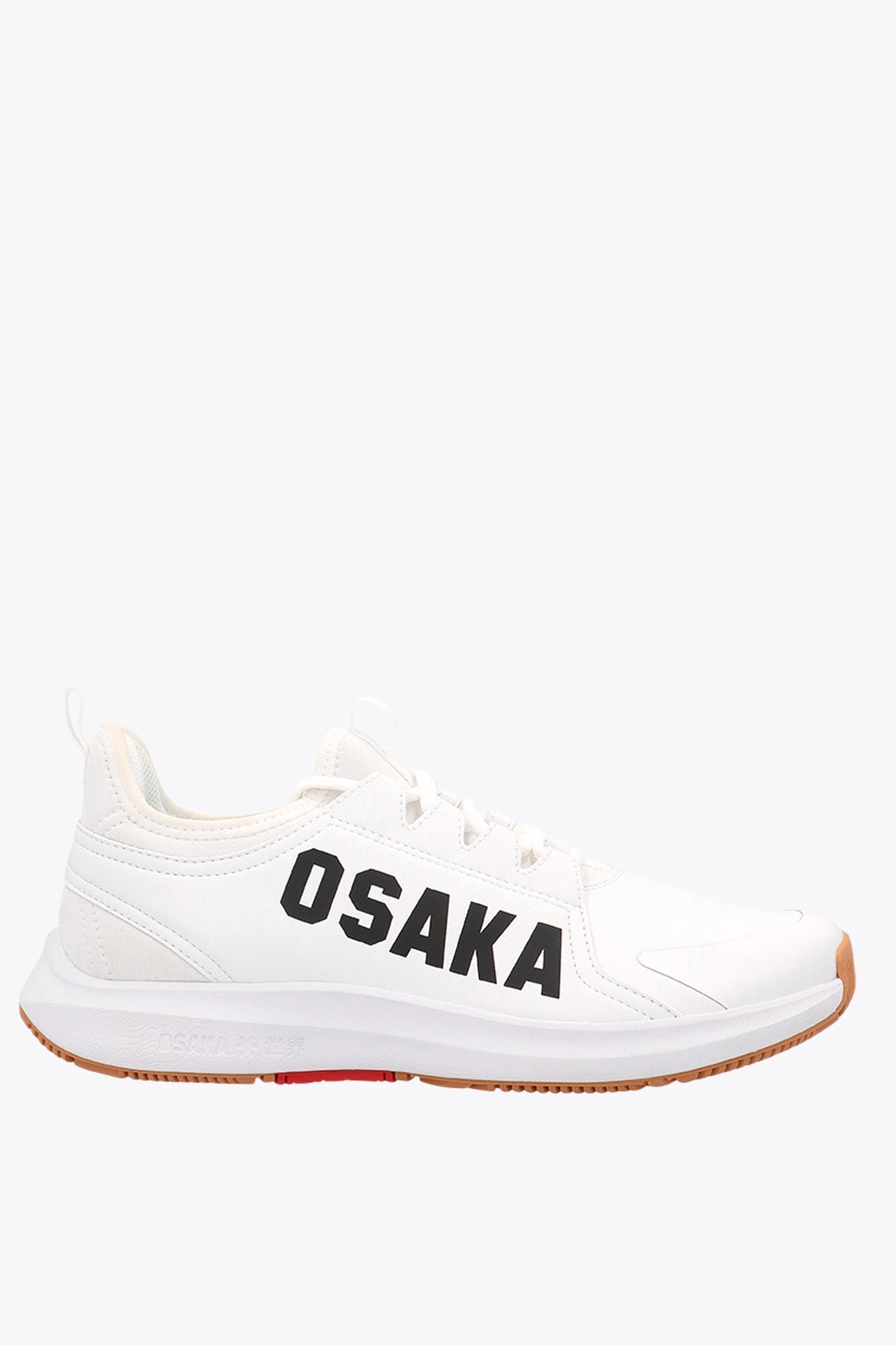
Tool-tested padel shoe pick
Osaka Footwear Furo Court | White
A court footwear option when you want a simple fit-neutral pick.
- Review
- 8.0/10
- Price
- $100.00
- Best for
- A court footwear option when you want a simple fit-neutral pick.
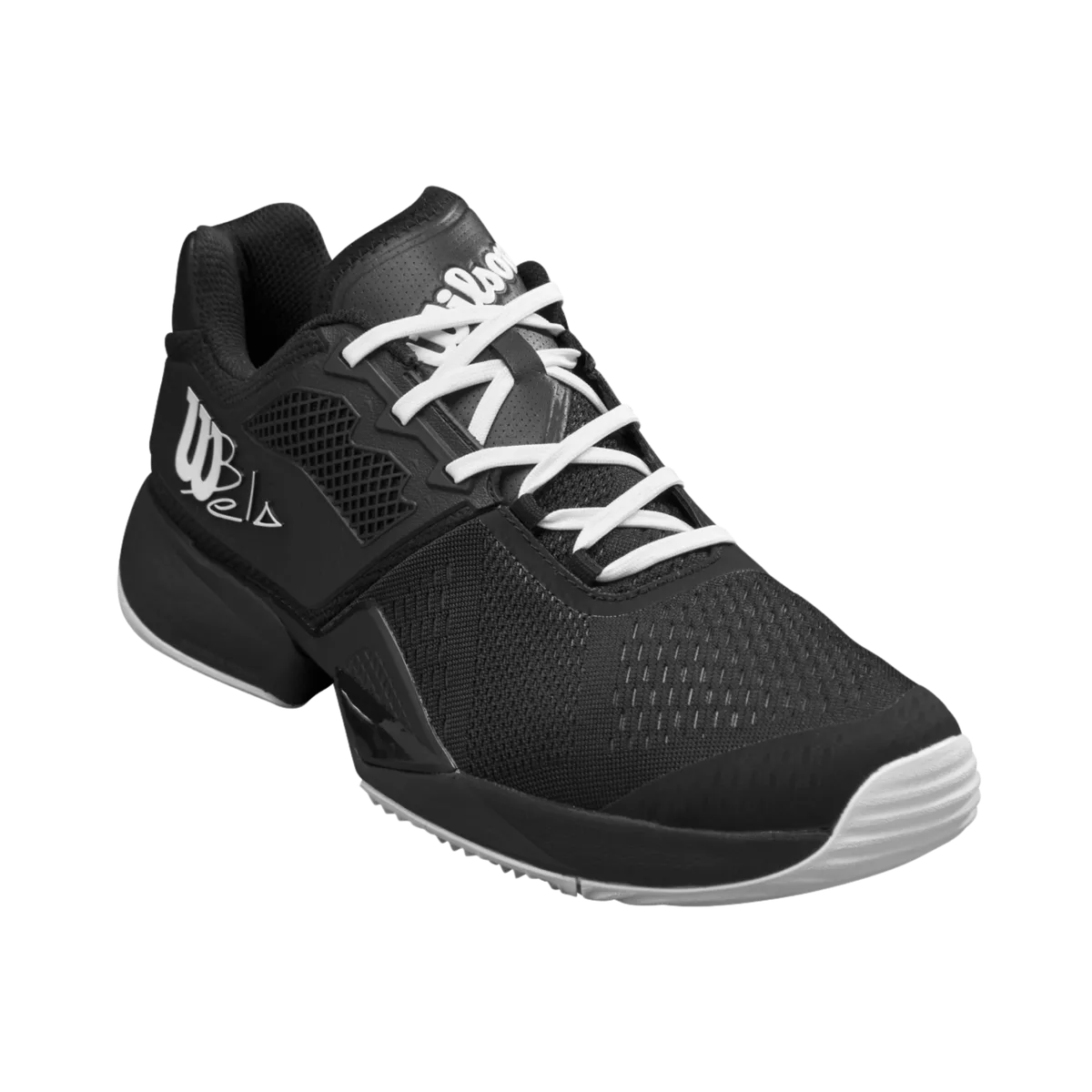
Best stability shoe
Wilson Bela Tour Men's Padel Shoes
A stable padel-specific shoe for players who cut hard, defend corners, and need lateral confidence more than a featherweight feel.
- Review
- 8.9/10
- Price
- $159.00
- Best for
- Players who slide, stop, and recover hard in the corners
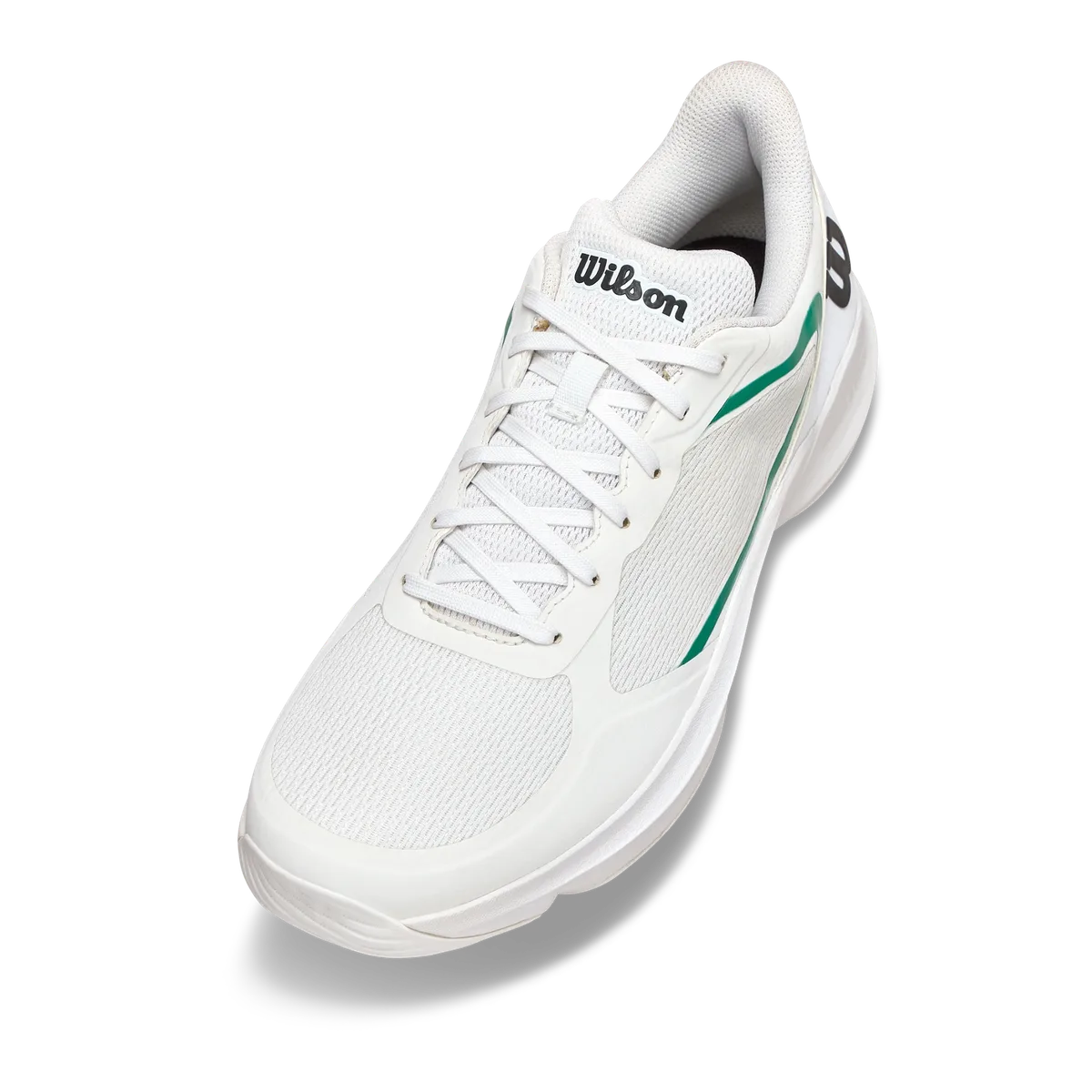
Tool-tested padel shoe pick
Wilson HURAKN LITE Men's Padel Shoes
A sensible men's starter shoe with lighter court movement in mind.
- Review
- 8.1/10
- Price
- $110.00
- Best for
- A sensible men's starter shoe with lighter court movement in mind.
Related Guides and Tools
Next step
Best indoor padel shoes
Use this next if you want to turn the guide into a shortlist or a direct product decision.
Next step
Best sanded turf shoes
Use this next if you want to turn the guide into a shortlist or a direct product decision.
Next step
Best stability padel shoes
Use this next if you want to turn the guide into a shortlist or a direct product decision.
Padel shoe surface guide FAQ
Do padel shoes depend on court surface?
Yes. Indoor low-sand courts, outdoor sanded turf, and mixed courts can need different traction levels, even though every option should still support lateral padel movement.
What shoes should I wear on indoor padel courts?
Indoor padel courts usually work best with low-sand or mixed-surface padel shoes that release predictably and still support lateral stops.
What shoes should I wear on sandy padel courts?
Sandy padel courts usually need padel-specific or clay-style traction with enough lateral support for braking and corner recovery.
What outsole is best for concrete-based outdoor courts?
Concrete bases are hard on the legs, so prioritize cushioning and a durable rubber compound alongside the traction your court's sand level needs. A thin, minimal midsole will beat up your knees and wear quickly.
Should I buy different shoes for each surface?
Only if you regularly play very different courts and can justify two pairs. Most players are better served buying for the court they play about eighty percent of the time and accepting a small compromise elsewhere.
How do I choose a surface shoe quickly?
Name your main court, decide if it is loose and sandy or clean and firm, and pick the matching outsole family. Then confirm the fit holds through a lateral stop and that cushioning suits how hard the base is before comparing prices.