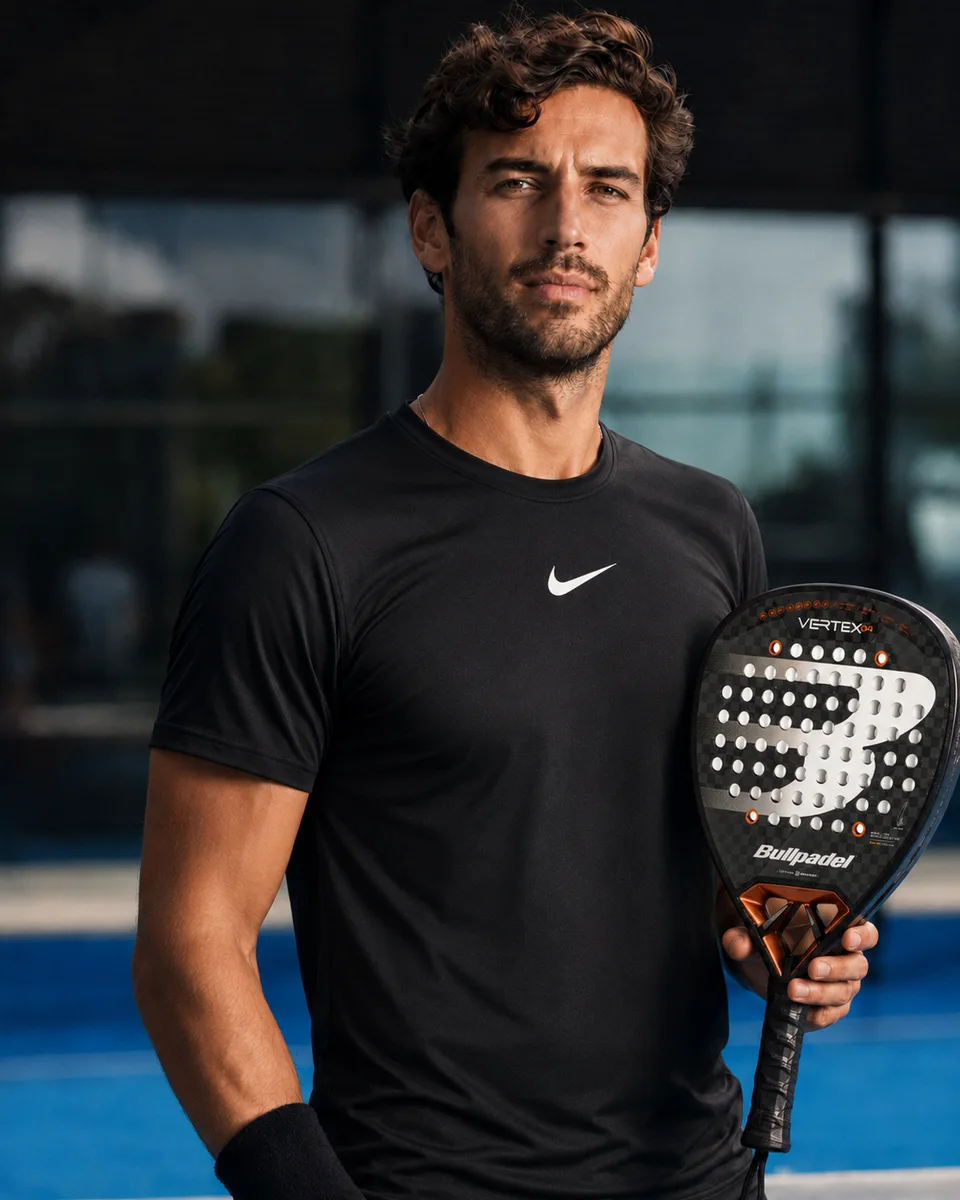
Padel bag sizes compared
| Bag size | Best for | Main limitation |
|---|---|---|
| Backpack | One racket and light essentials | Limited shoe and towel space |
| Compact bag | One or two rackets plus weekly basics | Can get tight with shoes and clothes |
| Shoe-compartment bag | Players changing at the club | Usually more bulk |
| Tournament bag | Multiple rackets and full match-day kit | Too much bag for light sessions |
Choose by what you carry
A bag that is too small becomes annoying every session, forcing you to stuff shoes on top of your racket or leave things behind. A bag that is too big becomes an excuse to carry clutter you never touch. The right size sits between those two problems and follows your real habits, not the routine you wish you had.
If you are still new, start with the smallest bag that keeps racket, balls, grips, water, and towel organized. You can always size up once shoes or clothes become part of every trip, and most players find they need less capacity than they first assume.
The fastest way to decide is to lay your current kit on the floor and picture it inside the bag. If everything fits with a little room and stays separated, the size is right; if you are already cramming, go one size up.
- Backpack: best for one-racket commuters.
- Compact: best for weekly players with a few extras.
- Shoe compartment: best if shoes travel every session.
- Tournament: best for multiple rackets and full match-day carry.
The shoe question changes everything
Once shoes go into the bag, storage needs change completely. You either need a dedicated shoe compartment, a separate shoe pouch, or enough space to keep sweaty footwear well away from grips, towels, and clean clothes. A pair of court shoes also eats far more room than people expect, which is what pushes many players from a backpack up to a compact or full bag.
That is why bag size and shoe storage belong together in the buying decision. Deciding whether shoes travel with you every session answers the size question faster than any other single factor.
If you almost always arrive in your court shoes and change nothing at the club, you can ignore this entirely and stay small. The moment you start changing footwear on site, prioritize a bag built to isolate that sweaty pair.
| If you carry | Start with | Upgrade when |
|---|---|---|
| One racket, balls, water | Backpack | Shoes or towels become regular |
| One racket plus shoes sometimes | Compact bag | Shoes travel every session |
| Shoes, towel, clothes | Shoe-compartment or full bag | You add backup racket |
| Multiple rackets plus full kit | Tournament bag | Only if it feels too bulky |
What the liter numbers actually mean
Bag capacity is usually quoted in liters, but the number only helps once you know what fits at each size. A backpack around 25 to 35 liters holds one or two rackets in a padded sleeve plus a bottle and small pocket. A compact bag of 35 to 45 liters adds room for balls, a towel, and grips. Anything from 45 liters up starts to carry shoes and clothes, and tournament paleteros of 55 liters and more swallow multiple rackets and a full kit.
Do not chase the biggest number. A well-divided 40-liter bag beats a shapeless 60-liter one, because layout decides how usable those liters really are.
| Size | Rough capacity | Realistically fits |
|---|---|---|
| Backpack | 25 to 35 L | 1 to 2 rackets, bottle, small accessories |
| Compact bag | 35 to 45 L | 2 rackets, balls, towel, grips |
| Full racket bag | 45 to 55 L | 2 to 3 rackets, shoes, light clothes |
| Tournament paletero | 55 L and up | Multiple rackets and full match-day kit |
Match size to how you travel
How you get to the court matters as much as what you carry. If you walk, bike, or take transit, a smaller backpack with padded straps is far more comfortable than a bulky paletero you have to sling and lug. If you drive straight to a club and change on site, a bigger shoe-compartment bag makes sense because carry distance is short.
Be honest about your commute. Many players buy a tournament bag, hate carrying it, and quietly go back to a compact one within a month.
- Walk, bike, or transit: lean smaller with comfortable straps.
- Short drive and change at club: a shoe-compartment bag is fine.
- Frequent travel or tournaments: full paletero earns its bulk.
- Kids or family gear too: size up, but keep compartments organized.
Size and heat protection in the US
Bigger bags often add a thermal-lined compartment, which matters in the US where outdoor courts and hot car trunks are common. A thermal section slows heat reaching your racket and balls during short stops, though it is no substitute for pulling the bag out of the car. Larger bags also tend to have a dedicated ventilated shoe pocket, which keeps sweaty soles away from clean gear.
If you play outdoors year-round, weigh these features alongside raw size rather than treating capacity as the only spec. A slightly larger bag with a thermal section and a ventilated shoe pocket can be worth it purely for gear protection in a hot climate.
When to size up or down
Your bag needs change as your padel does, so do not treat the first purchase as permanent. New players almost always start too big because a full bag looks serious, then quietly downsize to a backpack once they realize they carry very little. The opposite happens as you get committed: shoes, a backup racket, and match-day clothes gradually make a small bag feel cramped.
There is no prize for owning the biggest bag or for toughing it out with one that is too small. When packing or carrying starts to feel like a fight every session, that is the signal to change size.
A practical middle path for many US club players is a compact bag with a shoe pocket. It carries a weekly kit comfortably, protects the racket, and still fits in a car or on a shoulder without feeling like luggage.
- Size down if your bag is usually half empty.
- Size up when shoes and clothes travel every session.
- Add capacity when you start carrying a backup racket.
- Re-evaluate yearly as your play frequency changes.
Related Reviews
These are the reviews I would open next if this guide describes the decision you are trying to make.
Tool-tested padel bag pick
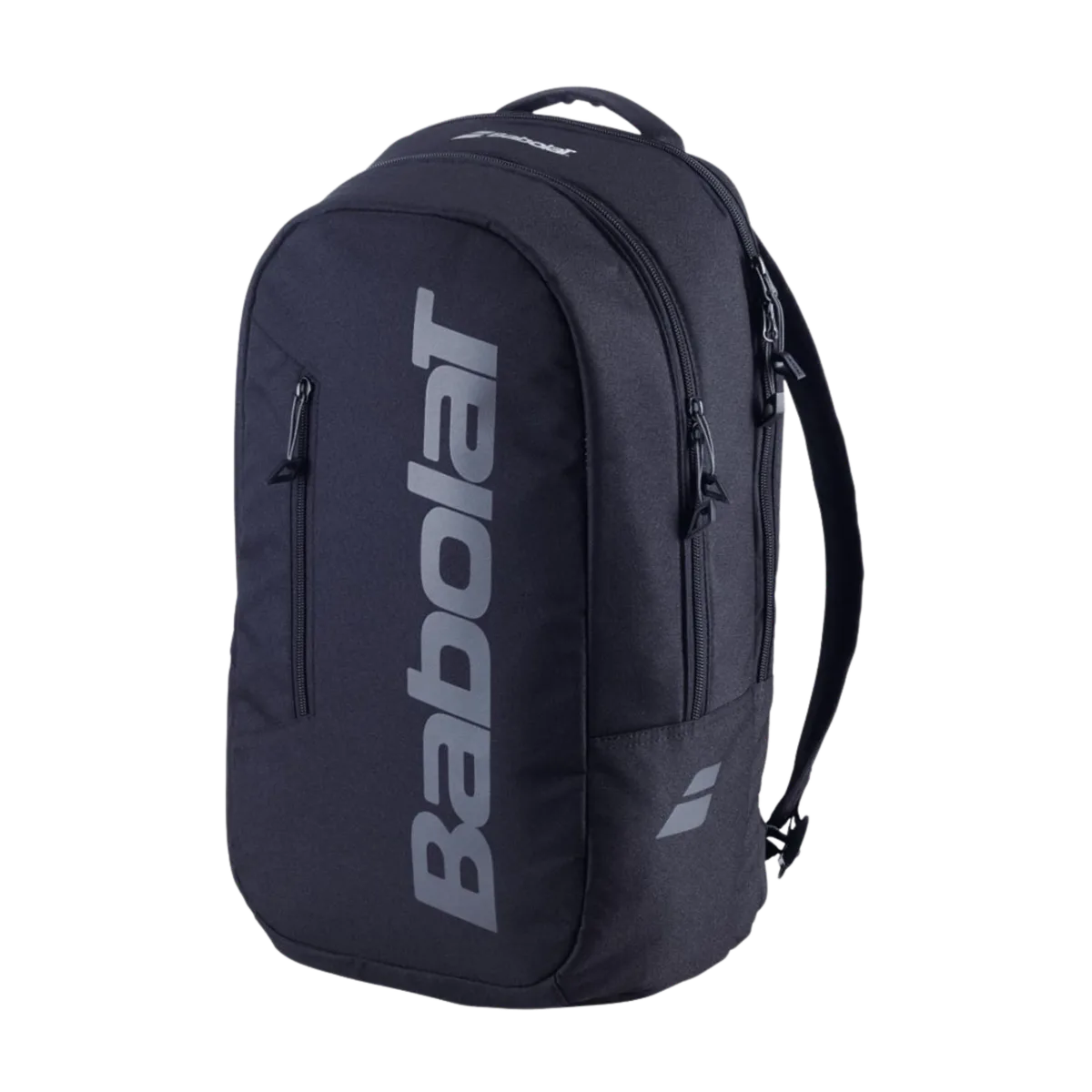
Babolat COURT Backpack LITE
A low-bulk backpack for one racket, shoes, balls, and small accessories.
- Review
- 8.3/10
- Price
- $64.95
- Best for
- A low-bulk backpack for one racket, shoes, balls, and small accessories.
Tool-tested padel bag pick
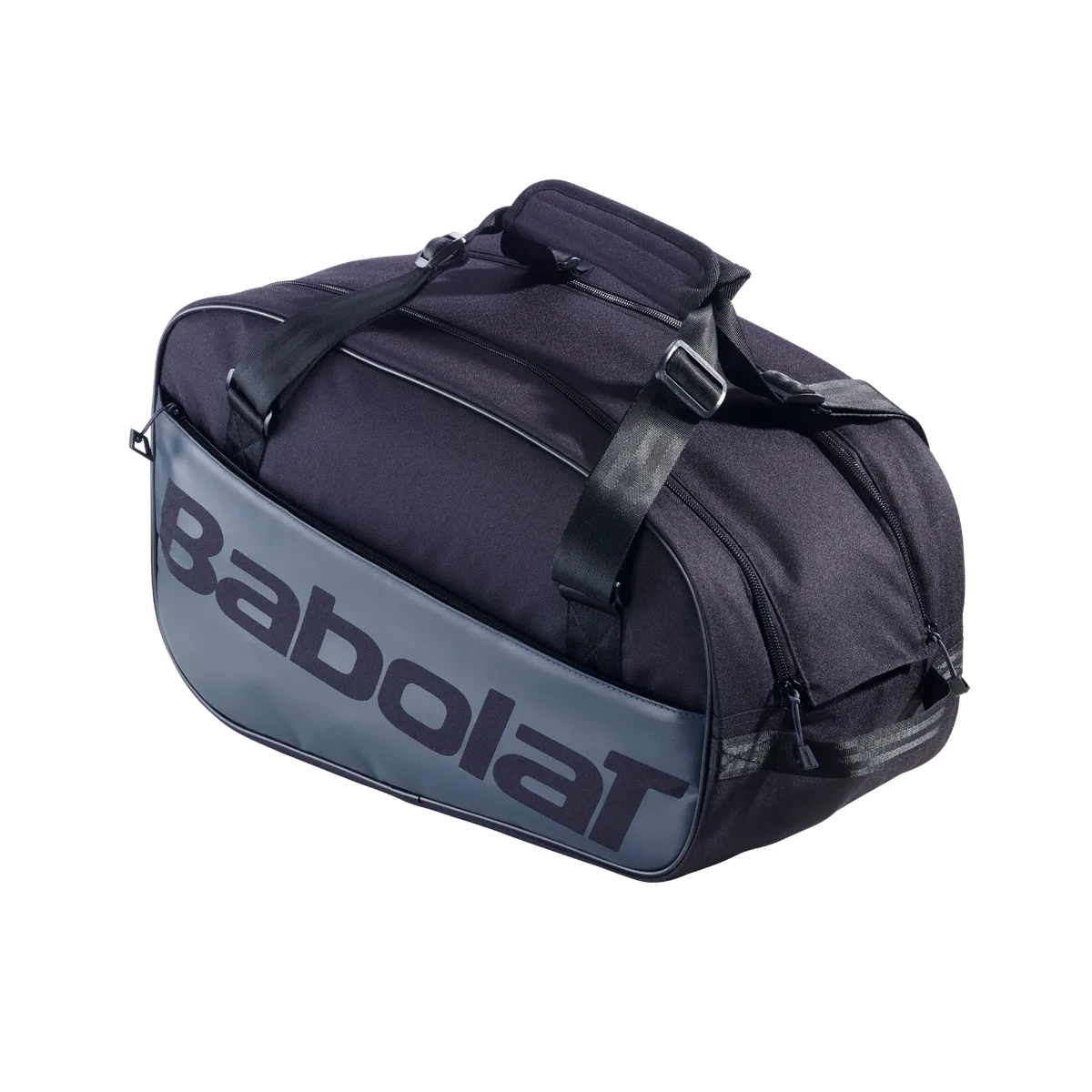
Babolat COURT S Padel Bag
A compact racket bag that keeps the starter setup organized without overbuying.
- Review
- 8.3/10
- Price
- $84.95
- Best for
- A compact racket bag that keeps the starter setup organized without overbuying.
Tool-tested padel bag pick
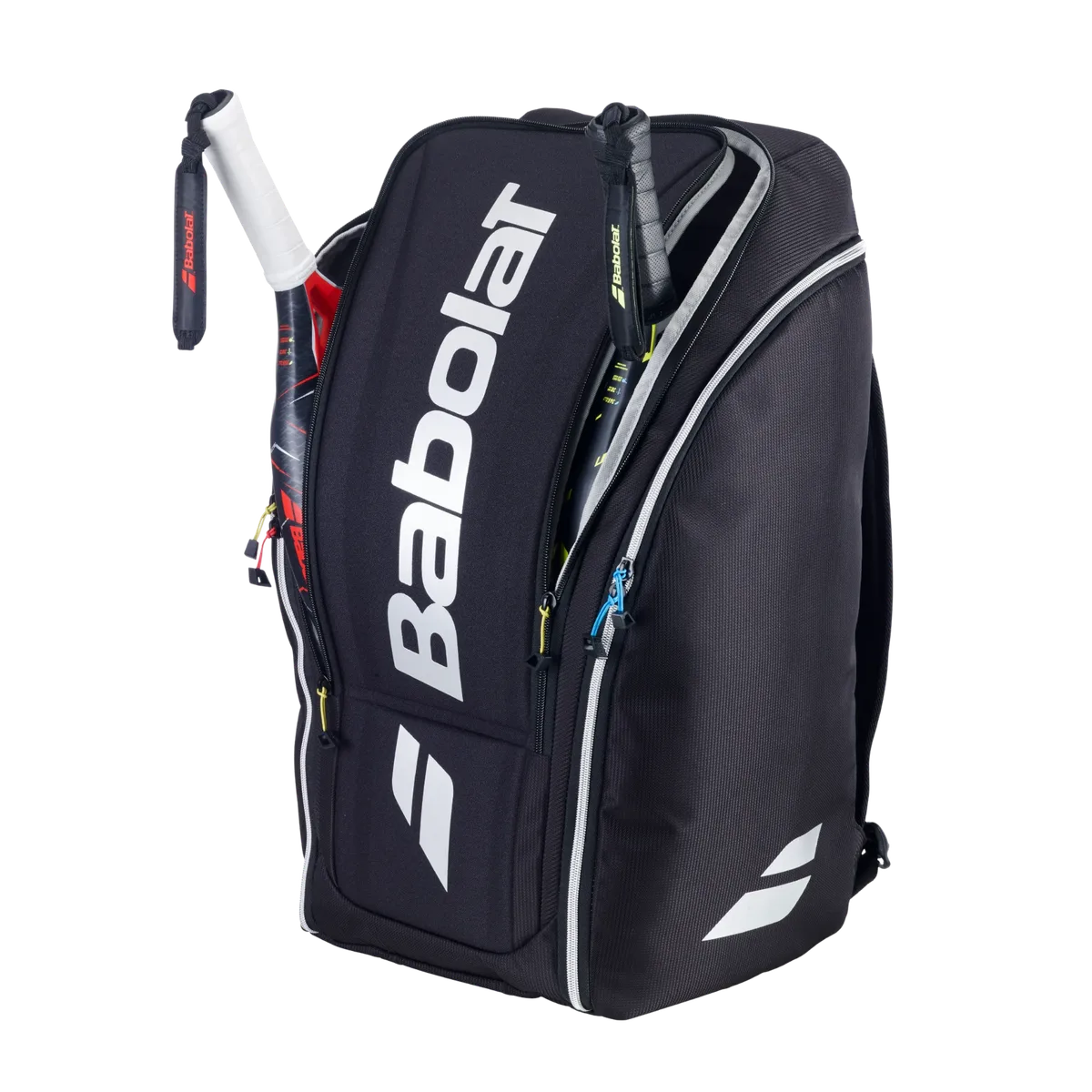
Babolat RH PERF PADEL 2nd Gen
A fuller bag for players carrying shoes, a towel, extra balls, and accessories.
- Review
- 8.3/10
- Price
- $109.95
- Best for
- A fuller bag for players carrying shoes, a towel, extra balls, and accessories.
Related Guides and Tools
Next step
Best padel backpacks
Use this next if you want to turn the guide into a shortlist or a direct product decision.
Next step
Best compact padel bags
Use this next if you want to turn the guide into a shortlist or a direct product decision.
Next step
Best tournament padel bags
Use this next if you want to turn the guide into a shortlist or a direct product decision.
Padel bag sizes explained FAQ
What size padel bag should I buy?
Buy a backpack for one-racket sessions, a compact bag for weekly essentials, and a tournament bag if you regularly carry shoes, clothes, towels, and multiple rackets.
Is a compact padel bag enough?
A compact padel bag is enough for many weekly players carrying one or two rackets, balls, grips, water, and light extras.
When do I need a tournament padel bag?
You need a tournament padel bag when multiple rackets, shoes, towels, clothes, balls, grips, and accessories are part of your normal match-day setup.
How many liters is a good padel bag size?
A 25 to 35 liter backpack suits one-racket sessions, a 35 to 45 liter compact bag covers weekly essentials, and 45 liters and up is for shoes, clothes, and multiple rackets. Layout matters as much as the liter count.
Is a bigger padel bag always better?
No. A larger bag only helps if you fill it usefully; otherwise it adds weight and invites clutter. A well-organized medium bag is easier to pack and carry than an oversized one with a single big compartment.
Does bag size affect racket protection?
Not directly. Protection comes from a padded, structured racket sleeve and, in hot climates, a thermal compartment. Larger bags often include these features, but a good compact bag can protect a racket just as well.