Beginner padel accessory checklist
| Item | Buy early? | Reason |
|---|---|---|
| Fresh balls | Yes | Makes practice bounce and timing more predictable |
| Spare overgrips | Yes | Keeps the handle secure and comfortable |
| Padel shoes | Yes if playing weekly | Improves lateral stops and recovery |
| Bag | Yes once carrying gear | Protects and organizes the setup |
| Grip spray | Only if needed | Useful for sweaty hands, not every player |
| Sleeves/support accessories | Only if needed | Personal comfort item, not a beginner requirement |
The simple beginner kit
Start with one playable racket, proper shoes if you play regularly, one fresh can of balls, spare overgrips, water, and a bag that keeps the setup together. Those items cover the friction points that actually slow down a beginner: a slick handle, dead balls, and gear scattered across the car.
That is enough to make practice cleaner without turning your first purchase into a gear drawer. Everything beyond this list is a response to a problem you have not met yet, so let your sessions tell you what to add rather than buying it all up front.
- Buy essentials before nice-to-have accessories.
- Do not use accessories to solve a wrong racket or shoe fit.
- Add products only when you can name the problem they solve.
Priority order and rough budget
Accessories are easy to over-buy, so think in tiers. The first tier removes friction from every session: a couple of overgrips, a fresh can of balls, and a way to carry everything. The second tier covers comfort and outdoor play. The third tier is optional personalization you only reach for once a real problem shows up.
The dollar ranges below are approximate US retail and will vary by brand and sales, but they give a sense of how little the essentials cost compared to a racket. Spending $30–50 on the right consumables usually improves your first months more than an expensive add-on.
- First tier: overgrips, balls, bag.
- Comfort tier: towel, wristbands, cap and sunglasses for outdoor courts.
- Only-if-needed tier: grip spray, protector tape, dampeners.
- Personal-comfort tier: sleeves and supports, if a specific issue appears.
| Accessory | Priority | Rough price (USD) |
|---|---|---|
| Overgrips (3-pack) | Buy first | $8–15 |
| Can of balls | Buy first | $6–12 |
| Simple racket bag/backpack | Buy first | $30–70 |
| Wristbands / small towel | Comfort tier | $8–20 |
| Cap + sunglasses (outdoor) | Comfort tier | $20–60 |
| Grip spray or powder | Only if needed | $10–20 |
| Frame protector tape | Only if needed | $6–12 |
| Vibration dampener | Optional | $5–12 |
Outdoor and US-court extras
A lot of US clubs use outdoor courts with sanded turf, and that changes what belongs in your bag. Sun and heat make a cap and sunglasses genuinely useful for tracking lobs, and a towel plus wristbands matter far more in a humid summer than in an air-conditioned indoor club.
Frame protector tape is worth mentioning here too. Outdoor beginners scrape the frame on the ground and the back wall constantly while they learn spacing, and a $6 roll of protector tape saves the top edge of the racket. It is cheap insurance rather than a must-have on day one.
Consumables vs one-time buys
It helps to separate accessories that wear out from ones you buy once. Consumables like overgrips and balls need regular restocking, so factor them into your ongoing budget rather than treating them as a single purchase. One-time buys like a bag, a cap, or sunglasses last for years.
Balls go flat with use, and overgrips get slick with sweat, so a weekly player should plan to replace grips every one to two weeks and open fresh balls regularly. Keeping a small stock at home means a dead grip or a flat can of balls never derails a session.
- Budget for overgrips and balls as ongoing costs.
- Keep a small home stock so you never run out.
- Treat bags and eyewear as multi-year purchases.
| Item | Type | Typical restock |
|---|---|---|
| Overgrips | Consumable | Every 1–2 weeks for weekly players |
| Balls | Consumable | When bounce goes dead, often every few sessions |
| Protector tape | Occasional | When the frame edge wears through |
| Bag / cap / sunglasses | One-time | Replace only when worn out |
Build your kit in 5 minutes
If you are standing in a shop or filling an online cart, keep it simple. Grab a 3-pack of overgrips, one fresh can of balls, and a basic bag that fits your racket, shoes, and a water bottle. That is the whole essential kit, and it usually lands under $100.
If you play outdoors, add a cap, sunglasses, and a towel in the same trip. Everything else can wait until you have played enough to name a specific problem. Buying by need instead of by impulse keeps your bag light and your money aimed at gear that actually changes sessions.
A good habit is to revisit the kit after your first month. By then you will know whether your hands sweat, whether you play mostly indoors or on sanded turf, and whether the frame is taking scrapes. Those answers point directly to the two or three add-ons that are worth buying next, without the guesswork of purchasing everything on day one.
What to skip at first
Skip niche accessories until you have played enough sessions to know your needs. A beginner who has not learned the glass yet does not need a complicated accessory setup.
Hold off on multi-racket thermal bags, several dampeners, lead tape, and grip aids until a real problem appears. Buying them early rarely helps and often just clutters the bag. Let your own game tell you what it is missing.
Related Reviews
These are the reviews I would open next if this guide describes the decision you are trying to make.
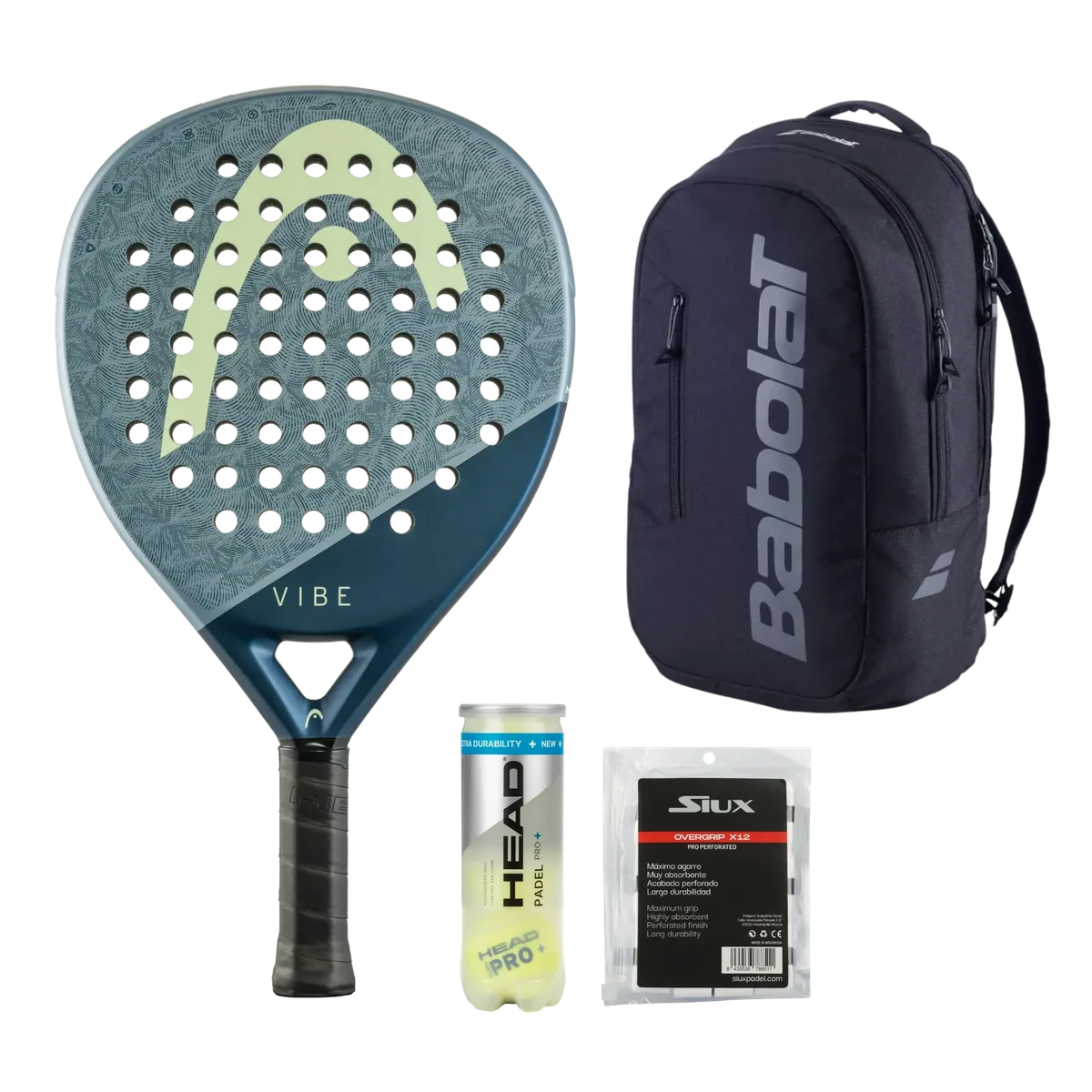
Best starter bundle
Complete Padel Pack - Racket + Bag + Balls + Grips
The easiest one-cart path for new players who want a full setup instead of guessing through every accessory.
- Review
- 8.7/10
- Price
- $199.00
- Best for
- New players who need everything at once
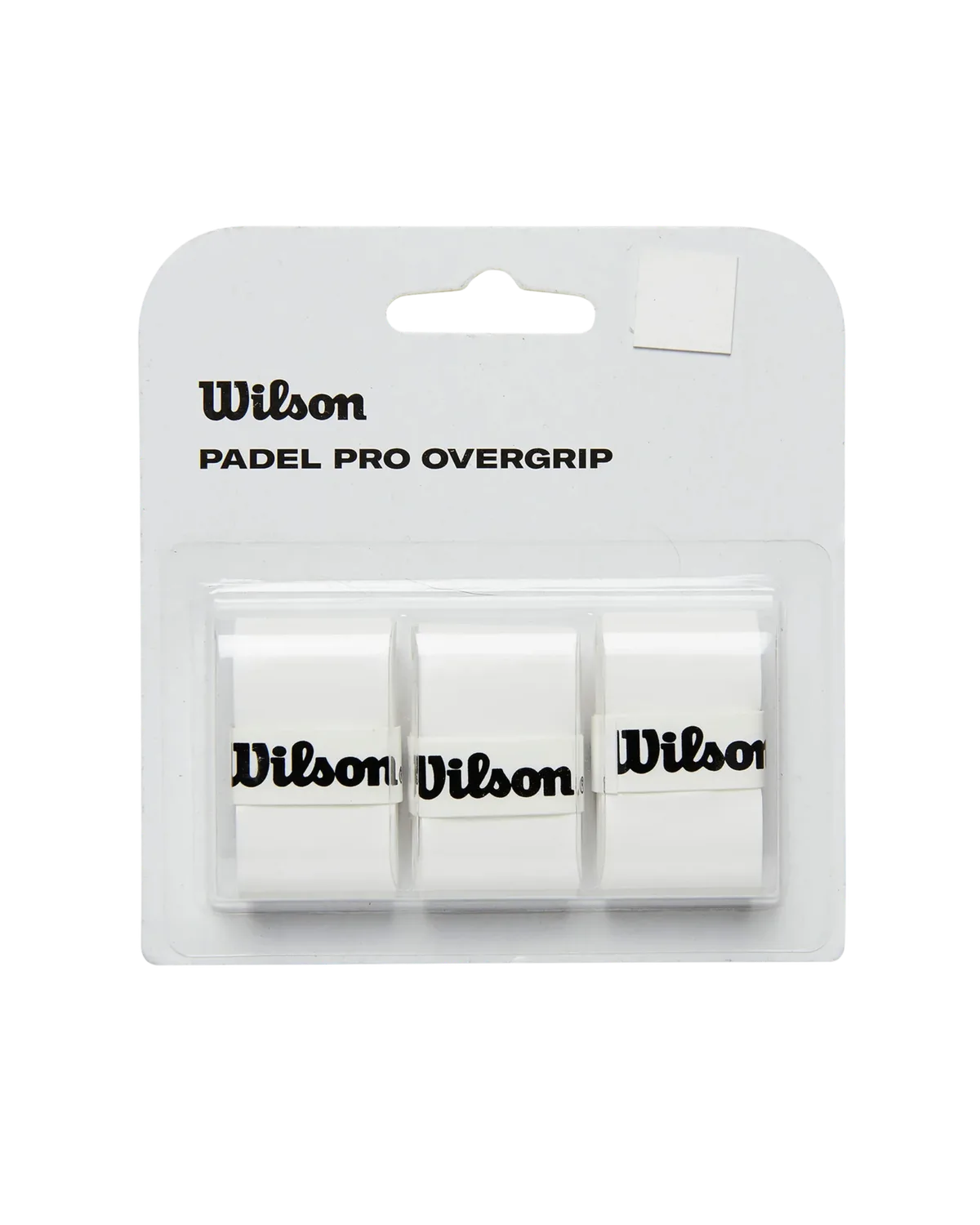
Tool-tested setup accessory pick
Wilson Pro Overgrip 3pcs Pack WH
A beginner-friendly spare overgrip pack for better tack and a cleaner handle feel.
- Review
- 8.2/10
- Price
- $9.00
- Best for
- A beginner-friendly spare overgrip pack for better tack and a cleaner handle feel.
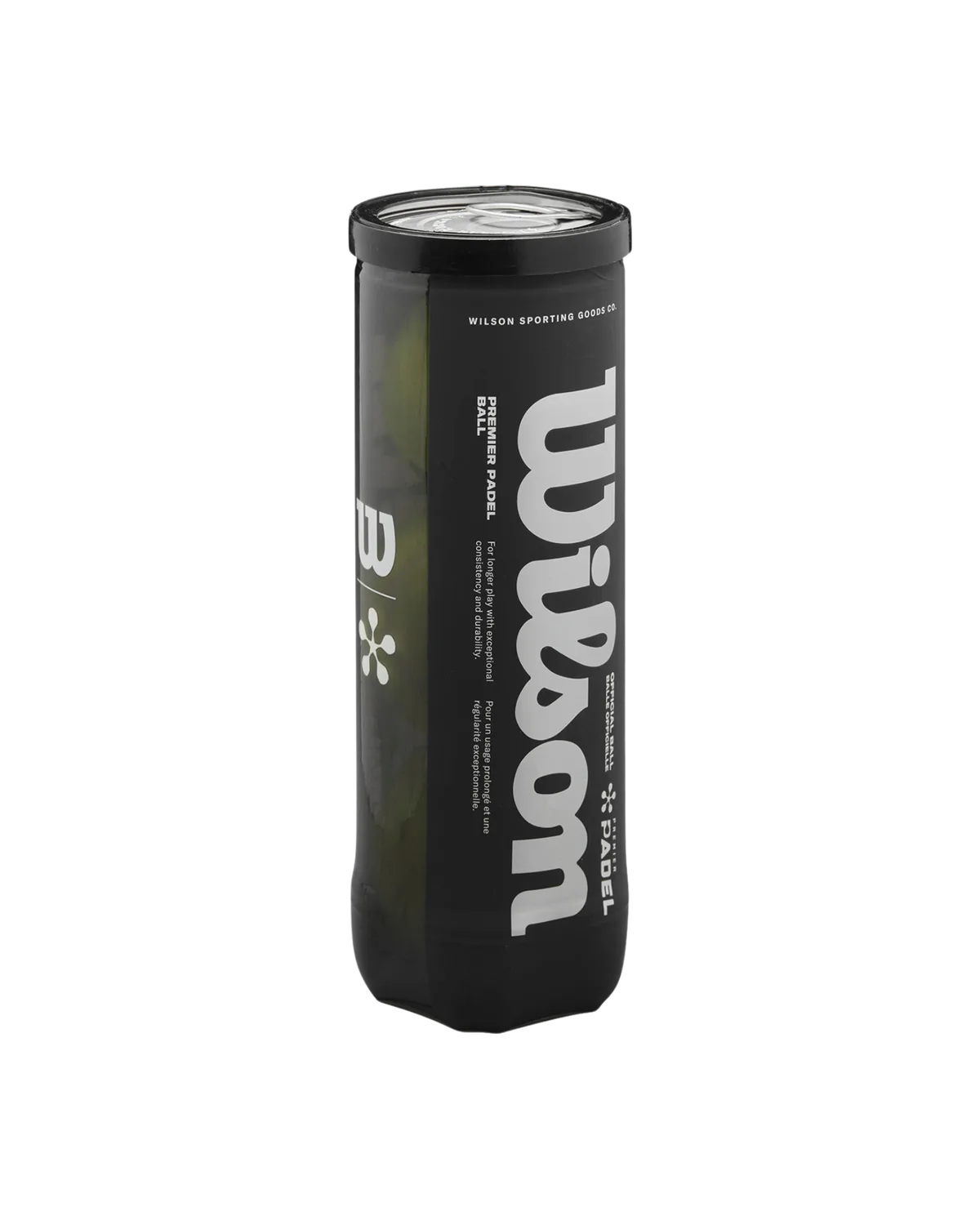
Tool-tested padel ball pick
Wilson Premier Padel Balls
A low-cost can of padel balls for first sessions and casual games.
- Review
- 8.3/10
- Price
- $7.00
- Best for
- A low-cost can of padel balls for first sessions and casual games.
Related Guides and Tools
Next step
Best padel accessories
Use this next if you want to turn the guide into a shortlist or a direct product decision.
Next step
Complete gear checklist
Use this next if you want to turn the guide into a shortlist or a direct product decision.
Next step
Beginner setup builder
Use this next if you want to turn the guide into a shortlist or a direct product decision.
Padel accessory checklist for beginners FAQ
What padel accessories should a beginner buy first?
A beginner should buy fresh balls, spare overgrips, court shoes if playing regularly, and a simple bag before buying niche accessories.
Should beginners buy grip spray?
Beginners should buy grip spray only if sweat is making the handle unreliable. Fresh overgrips are the better first purchase for most players.
How much should I spend on beginner padel accessories?
The essentials are cheap: roughly $8–15 for a pack of overgrips, $6–12 for a can of balls, and $30–70 for a simple bag. You can cover the first-tier accessories for under $100, far less than the racket itself.
What accessories do I need for outdoor padel courts?
For outdoor and sanded-turf courts common at US clubs, add a cap and sunglasses to track lobs in the sun, plus a towel and wristbands for heat and sweat. Frame protector tape is cheap insurance while you learn court spacing.
Do beginners need a vibration dampener or protector tape?
Neither is essential on day one. Add a dampener only if you dislike the frame's feel, and protector tape once you start scraping the frame on the ground or back wall, which is common for outdoor beginners.
What should beginners avoid buying too early?
Skip large thermal multi-racket bags, multiple dampeners, lead tape, and support sleeves until a real need appears. Buy an accessory only when you can name the specific problem it solves.