Padel shoes vs tennis shoes
| Feature | Padel shoe priority | Why it matters |
|---|---|---|
| Outsole | Predictable grip for turf and sand | Helps you brake without feeling stuck or loose |
| Lateral support | Stable midfoot and sidewall hold | Keeps the foot calmer on corner recoveries |
| Toe protection | Durable front and medial zones | Helps on low defensive pickups and dragging steps |
| Cushioning | Stable rather than soft only | Protects impact without making stops feel wobbly |
| Fit | Secure heel and midfoot | Prevents sliding inside the shoe during split steps |
| Sole pattern | Herringbone, omni, or hybrid to suit surface | Matches grip to sanded turf, smooth turf, or concrete |
When padel shoes become worth it
If you play once for fun, a supportive court shoe can be enough. If you play weekly, defend corners, and change direction hard, footwear becomes part of performance and safety.
I test shoes by watching the outside foot after a stop. If the foot slides inside the shoe or the outsole feels vague, the shoe makes the next ball harder. Padel is a game of quick, repeated stops and turns in a small box, so the shoe under you shapes how confident and how safe those movements feel.
- Buy padel shoes once you play weekly.
- Prioritize stability if you are a heavy mover.
- Prioritize lighter movement only after fit and traction are already good.
The real differences under the hood
Tennis shoes and padel shoes look similar and share a lot of DNA, but they are tuned for different courts and movements. Tennis players cover long baseline slides on hard courts and clay; padel players make shorter, sharper stops and turns on sanded artificial turf inside a glass box.
The biggest practical differences are the outsole pattern, how the sidewalls hold the foot on hard lateral pushes, and how the toe and medial zones are reinforced for dragging steps into the corners. The table breaks down where each shoe is optimized. Our shoe surface guide goes deeper on matching outsoles to specific courts.
| Area | Tennis shoe | Padel shoe |
|---|---|---|
| Typical surface | Hard court, clay, grass | Sanded artificial turf, some concrete/indoor |
| Common outsole | Modified herringbone / durable hard-court tread | Herringbone, omni (multi-directional), or hybrid |
| Movement bias | Long slides and baseline coverage | Short stops, pivots, and side-wall recoveries |
| Sidewall support | Good, tuned for wide slides | High, tuned for sharp lateral braking |
| Toe / medial zone | Reinforced for toe drag on serve | Reinforced for low pickups and drag steps |
Sole patterns and which surface they suit
Most US clubs use sanded artificial turf, but you'll also find smoother turf and the occasional concrete or indoor court. The outsole pattern is what turns your effort into grip, and the wrong pattern feels either sticky and jarring or loose and sketchy. If you play mostly on sanded turf, see our sanded turf shoes guide.
Sand level matters as much as the pattern. Freshly dressed turf with plenty of sand rewards a sole that can bite through it, while a low-sand or worn court plays faster and grips more directly. If your regular court feels different week to week, a versatile herringbone or hybrid handles the swing better than a specialized sole.
As a rule, herringbone is the versatile all-rounder, omni soles shine when there is plenty of sand on turf, and hybrids try to split the difference. Match the pattern to where you actually play most.
| Sole pattern | Best surface | Feel |
|---|---|---|
| Herringbone | Most sanded turf, mixed play | Reliable grip and clean release, great all-rounder |
| Omni (studded) | Sanded turf with more sand | Bites into sand, strong grip, less ideal on hard floors |
| Hybrid | Clubs with varied surfaces | Balanced grip and release across conditions |
| Smooth / low-profile | Indoor or very smooth turf | More court feel, less bite on heavy sand |
Cushioning vs court feel
There is a trade-off between plush cushioning and low, connected court feel. Too soft and the shoe feels wobbly on hard stops; too firm and long sessions beat up your legs. For padel, I want stable cushioning that protects impact without letting the foot roll on a sharp brake.
Heavier movers and players with achy joints usually want a touch more cushioning and support. Lighter, quicker players who want maximum feel can go lower and firmer, but only after fit and traction are already dialed in.
- Heavy mover or joint aches: prioritize stable cushioning and support.
- Quick, light mover: firmer, lower shoe for court feel once fit is right.
- Long doubles sessions: enough cushioning to survive the second match.
- Never trade away lateral stability just to feel lighter.
What tennis converts should watch
Tennis players often bring hard-court habits to a smaller glass court. Padel asks for more short recoveries, pivots, and side-wall movement, so a shoe that felt fine in tennis may feel less controlled in padel. Deep, aggressive tennis outsoles can even grip too hard on sanded turf and make quick turns feel jarring. Our tennis to padel guide covers the racket side of that same transition.
If you're switching over, a supportive tennis shoe is fine for your first few casual sessions. Once you're playing regularly and moving hard into corners, a dedicated padel shoe with the right sole pattern will feel more secure and predictable.
When tennis shoes are acceptable
You don't need to rush out for padel shoes before your very first hit. A supportive, well-fitting tennis or all-court shoe is a reasonable stand-in for occasional, casual play, especially if you're not yet sure you'll stick with the sport.
The line to watch is frequency and intensity. Once you play weekly, defend corners, and change direction at full effort, the traction, sidewall support, and toe protection of a padel-specific shoe become a real performance and safety upgrade. Avoid running shoes entirely; their soft, rounded soles are built for straight-line movement and roll dangerously on lateral stops.
- Occasional casual play: a supportive tennis shoe is fine.
- Weekly, hard-moving play: switch to padel-specific shoes.
- Never use running shoes; they roll on lateral stops.
- Check that any court shoe still has predictable, unworn tread.
Related Reviews
These are the reviews I would open next if this guide describes the decision you are trying to make.
Best stability shoe
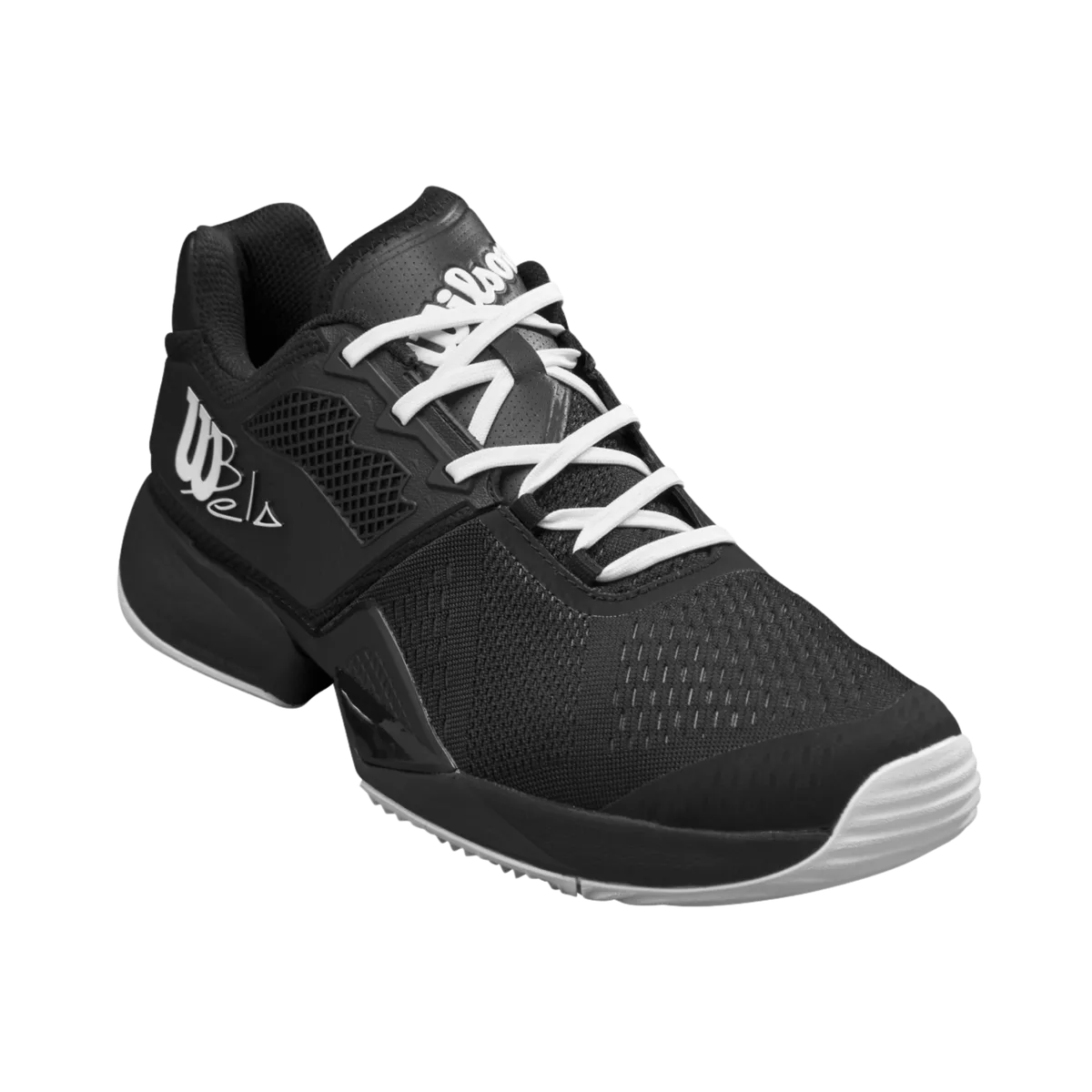
Wilson Bela Tour Men's Padel Shoes
A stable padel-specific shoe for players who cut hard, defend corners, and need lateral confidence more than a featherweight feel.
- Review
- 8.9/10
- Price
- $159.00
- Best for
- Players who slide, stop, and recover hard in the corners
Tool-tested stability shoe pick
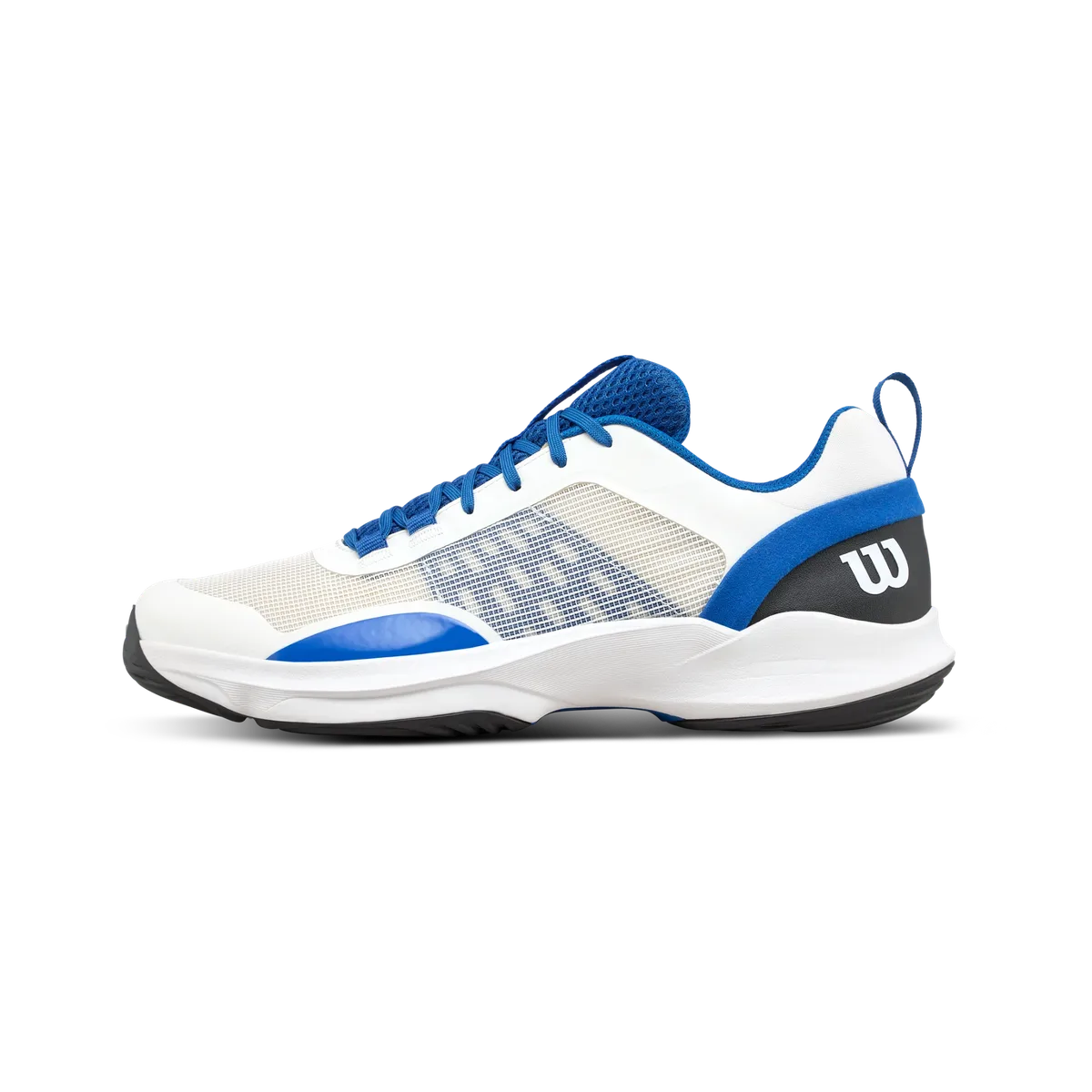
Wilson HURAKN Pro V2 Men's Padel Shoes
A step-up men's shoe choice for more support as play frequency increases.
- Review
- 8.3/10
- Price
- $135.00
- Best for
- A step-up men's shoe choice for more support as play frequency increases.
Tool-tested stability shoe pick
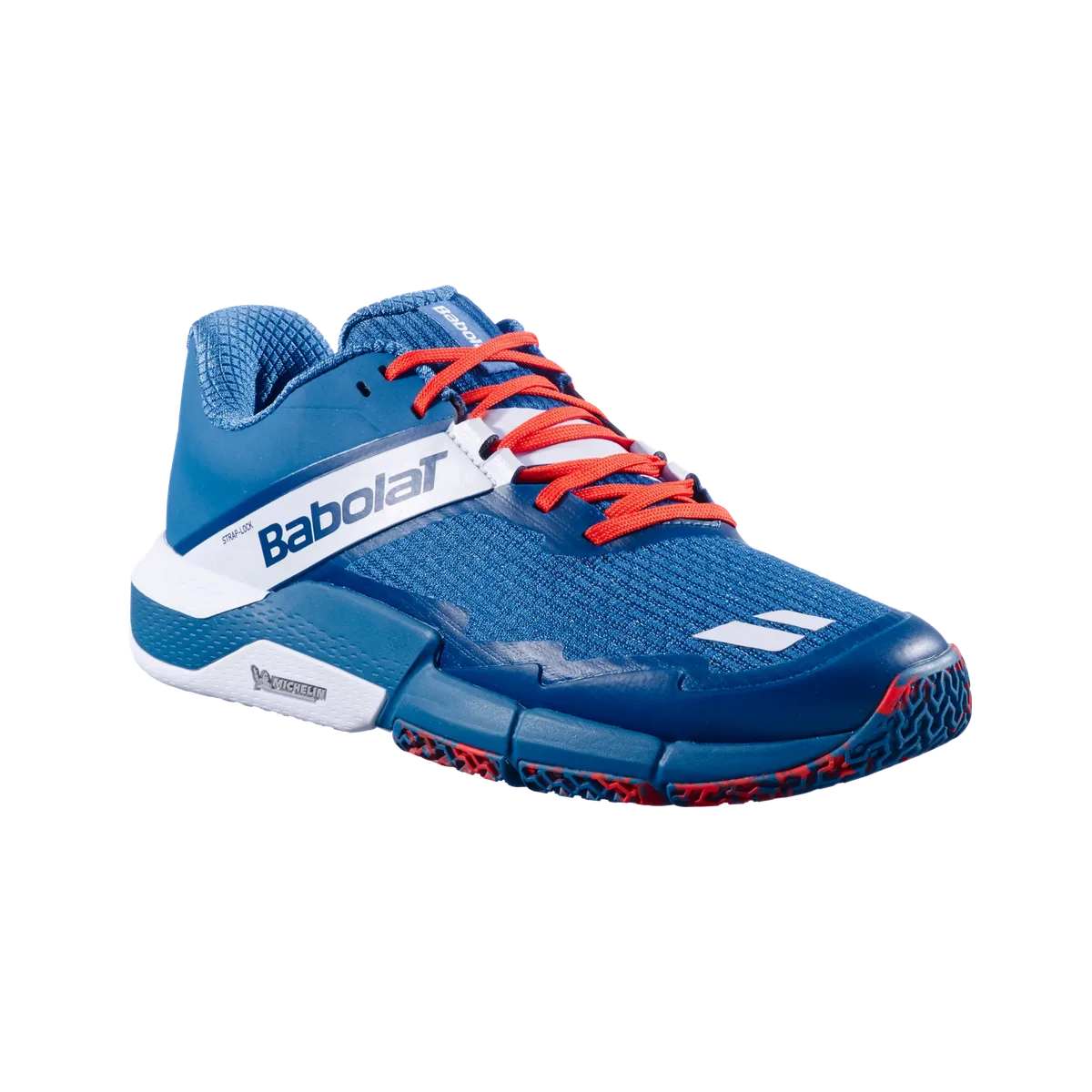
Babolat Jet Movea 2 Men's Padel Shoes 2025
A durable men's padel shoe for beginners who want a more planted feel.
- Review
- 8.4/10
- Price
- $149.00
- Best for
- A durable men's padel shoe for beginners who want a more planted feel.
Related Guides and Tools
Next step
Best padel shoes
Use this next if you want to turn the guide into a shortlist or a direct product decision.
Next step
Padel shoe surface guide
Use this next if you want to turn the guide into a shortlist or a direct product decision.
Next step
Best indoor padel shoes
Use this next if you want to turn the guide into a shortlist or a direct product decision.
Next step
Sanded turf shoes
Use this next if you want to turn the guide into a shortlist or a direct product decision.
Next step
Why shoes slip
Use this next if you want to turn the guide into a shortlist or a direct product decision.
Next step
Shoe finder
Use this next if you want to turn the guide into a shortlist or a direct product decision.
Next step
Tennis players switching to padel
Use this next if you want to turn the guide into a shortlist or a direct product decision.
Padel shoes vs tennis shoes FAQ
Can I play padel in tennis shoes?
You can play a casual first session in supportive tennis shoes, but regular padel players should use shoes with lateral support and traction that suit padel movement. Deep hard-court tennis treads can also grip too aggressively on sanded turf and make quick turns feel jarring. Once you play weekly and move hard into corners, switch to padel-specific shoes.
What is the biggest padel shoe mistake?
The biggest mistake is buying only for lightness and ignoring lateral support, outsole predictability, and fit during hard stops. A shoe that feels fast in the store can roll under you on a sharp brake. Fit and traction come first, then weight.
What sole pattern is best for padel?
Herringbone is the most versatile pattern and works well on most sanded turf. Omni or studded soles bite harder when there is plenty of sand on the turf, while smooth or low-profile soles suit indoor and very smooth courts. Match the pattern to where you play most often.
Are running shoes okay for padel?
No. Running shoes have soft, rounded soles built for straight-line movement and they roll dangerously on padel's lateral stops and turns. They also lack the sidewall support and outsole grip padel needs. Use a court shoe, ideally a padel-specific one.
How do I know when my padel shoes need replacing?
Watch the outsole tread and the sidewalls. When the herringbone or studs wear smooth in the high-contact zones, grip becomes unpredictable and stops feel loose. If the shoe slides on turns it used to hold, or the upper starts breaking down, it's time to replace them.
Do I need different shoes for indoor and outdoor courts?
Not always, but it helps. Outdoor sanded turf rewards herringbone or omni soles for bite, while smoother indoor courts favor lower-profile soles with more court feel. If you split your time between very different surfaces, a hybrid sole or a second pair keeps grip predictable.