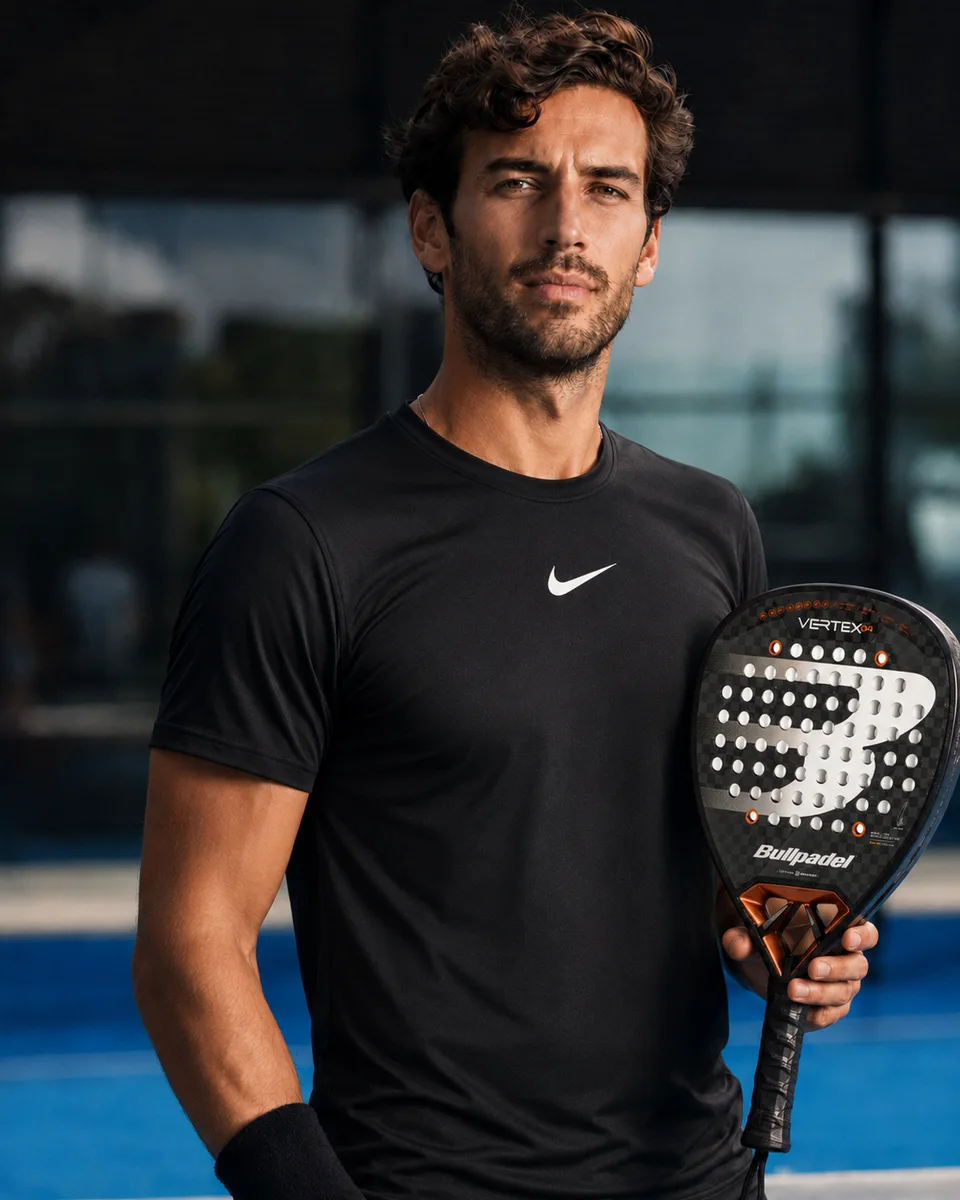
Padel racket face material comparison
| Material | Typical feel | Best for | Trade-off |
|---|---|---|---|
| Fiberglass | Soft, elastic, forgiving | Beginners and comfort-first players | Less crisp under fast swings |
| Carbon | Firm, direct, stable | Intermediate to advanced players | Can feel harsh if paired with hard foam |
| Hybrid | Balanced and approachable | Improving players | Exact feel depends on the full build |
Why carbon is not automatically the right answer
Carbon can feel excellent when your contact is clean. It can also feel unforgiving if you are still learning the glass, over-swinging, or arriving late. The firmer face returns energy fast, which is great on a crisp volley and punishing on a rushed block.
Fiberglass can help newer players keep rallies alive because the face gives more rebound and comfort. It flexes on contact, softens vibration, and adds a little free depth on defensive lobs when your timing is not perfect.
The honest answer for most club players is that face material is one ingredient, not the whole recipe. I have played soft carbon rackets that felt friendlier than some stiff fiberglass builds. Judge the finished racket in your hand, not the sticker on the throat.
- Choose fiberglass or hybrid if comfort and forgiveness matter most.
- Choose carbon when you want a cleaner response and already control contact quality.
- Read face material with foam: hard carbon plus hard foam is a very different experience from soft carbon plus medium foam.
Carbon weaves: 3K, 12K, 18K and 24K explained
The K number counts how many filaments sit in each carbon tow (bundle). A 3K weave uses 3,000 filaments per bundle and shows a tight, small checkerboard; higher counts like 12K, 18K, and 24K use bigger bundles and a broader pattern. The number describes the weave, not automatically the quality or stiffness.
As a loose rule of thumb, lower-count weaves like 3K often feel a touch more responsive and elastic, while higher-count weaves can feel firmer and more rigid across the face. But layup, resin, and how many layers the maker uses matter more than the headline K number.
Do not treat a bigger K number as a bigger upgrade. A well-built 12K face can outplay a poorly built 18K face for your specific game.
| Weave | Typical feel | Often marketed to | Reality check |
|---|---|---|---|
| 3K | Slightly softer, elastic response | Comfort-focused control players | Great feel, still needs clean contact |
| 12K | Balanced firmness | Improving all-court players | Strong all-rounder if the layup is good |
| 18K | Firm, stable, direct | Power and attacking players | Can feel harsh with hard foam |
| 24K / higher | Very rigid face | Advanced, premium marketing | Rarely a beginner's friend |
How fiberglass face feel compares
Fiberglass is more flexible than carbon, so it deforms more on impact and springs back with a trampoline-like push. That flex is why beginners often find fiberglass rackets easier: the face does some of the work, adding rebound on soft contact and cushioning the hit through your arm.
The same flex is the trade-off advanced players dislike. Under a fast, flat swing the fiberglass face can feel a little vague or spongy compared to the immediate, planted response of carbon. You lose a bit of the pinpoint placement that carbon gives on hard volleys and flat smashes.
For most players in their first year, that softer, more elastic feel is a feature, not a flaw. It keeps the ball in play and keeps your elbow happier while your technique catches up.
- Fiberglass flexes more, adding free rebound and comfort.
- Carbon stays planted, giving sharper placement on clean hits.
- Comfort-sensitive arms usually prefer a fiberglass or soft-carbon face.
Stiffness, durability, and price tiers
Face material interacts with durability and price. Fiberglass is cheaper to produce and appears on most entry rackets, while multi-layer carbon faces sit in the mid and premium tiers. That is why carbon rackets cost more, not because carbon is automatically better for you.
Durability depends on care as much as material. A carbon face can crack from mishits on the frame edge or from heat left in a hot car trunk; a fiberglass face is more flexible and can shrug off some knocks but may soften faster with heavy use. Neither material is indestructible, and both hate temperature swings and rim scrapes on the court cage.
Match the tier to your commitment level. If you are unsure whether you will stick with padel, there is no shame in a fiberglass or hybrid racket while you learn.
| Tier | Typical face | Rough price | Who it suits |
|---|---|---|---|
| Entry | Fiberglass | $60-$120 | New players, casual weekly games |
| Mid | Hybrid or 3K/12K carbon | $120-$220 | Improving players wanting more control |
| Premium | 12K-18K+ carbon | $220-$350+ | Committed intermediates and advanced |
How to test face feel before you commit
You cannot read feel off a spec sheet, so demo when you can. Most US clubs and some retailers offer demo rackets; an hour of real hitting tells you more than any weave chart. Hit the shots you actually miss, not just the ones you like.
During a demo, alternate a hard flat volley, a low block off the glass, and a defensive lob. Carbon will reward the crisp volley but expose the rushed block; fiberglass will smooth the block but feel softer on the volley. Pay attention to your arm after 30 minutes, because harsh feedback shows up as fatigue before it shows up as missed shots.
- Demo the racket for a full hitting session, not two minutes.
- Test blocks and lobs, not only clean drives.
- Notice arm fatigue at the 30-minute mark, not just contact feel.
- Bring your current racket to compare back-to-back.
What to ignore in marketing copy
Do not buy a racket only because the face says carbon, 12K, 18K, or 24K. Those labels matter, but the useful question is whether the full racket helps your actual shots. Marketing leans on the words that photograph well; your elbow and your scoreline do not read the sticker.
Weigh the face material alongside shape, balance, and foam. A forgiving round racket with a hybrid face and medium foam will out-serve most beginners better than a diamond 18K carbon frame, no matter which one sounds more premium.
Related Reviews
These are the reviews I would open next if this guide describes the decision you are trying to make.
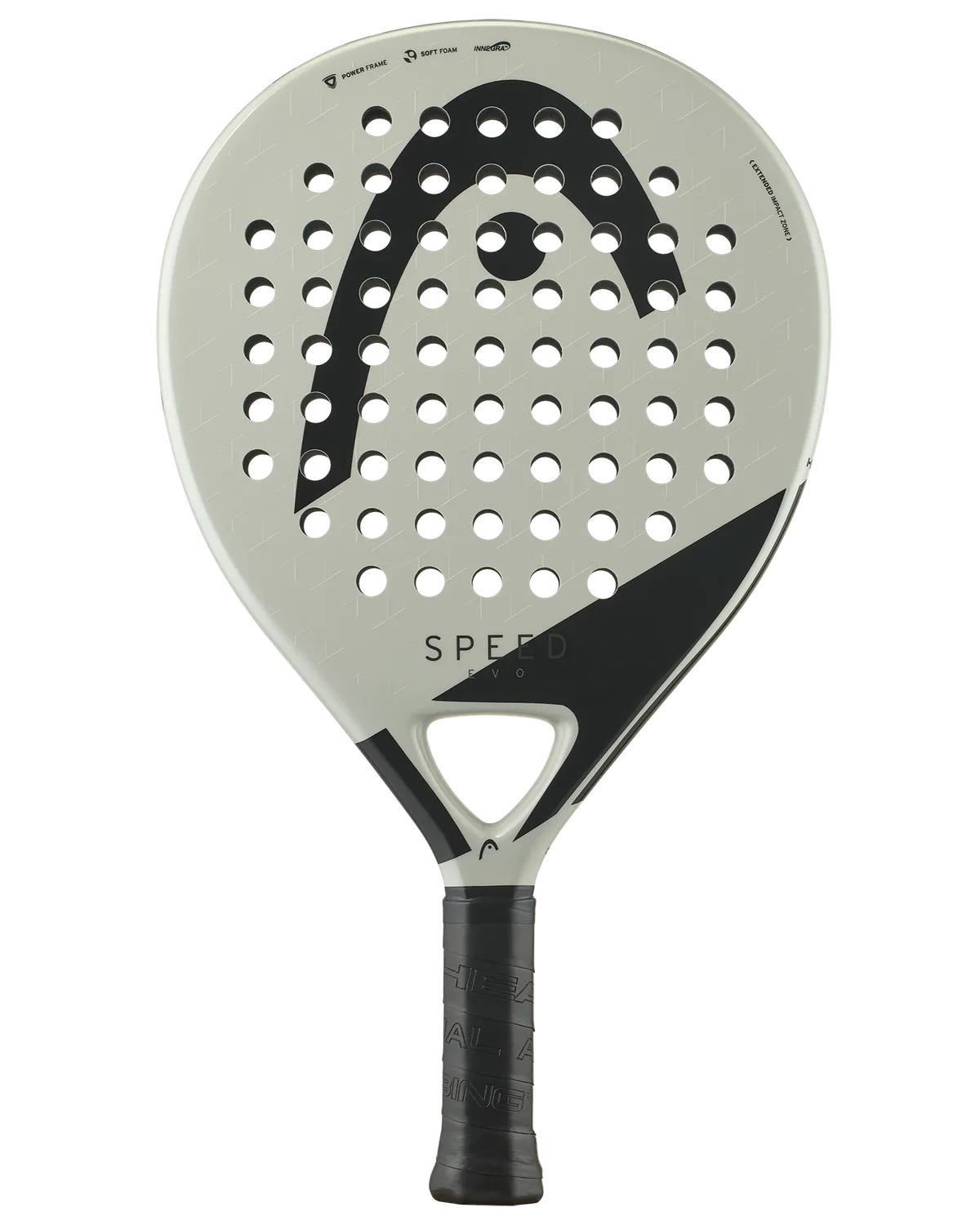
Best beginner value
Head Evo Speed
An affordable, easy-launching racket that helps new players learn padel patterns without punishing every late contact.
- Review
- 8.6/10
- Price
- $99.95
- Best for
- First racket buyers who want a real padel frame under $150
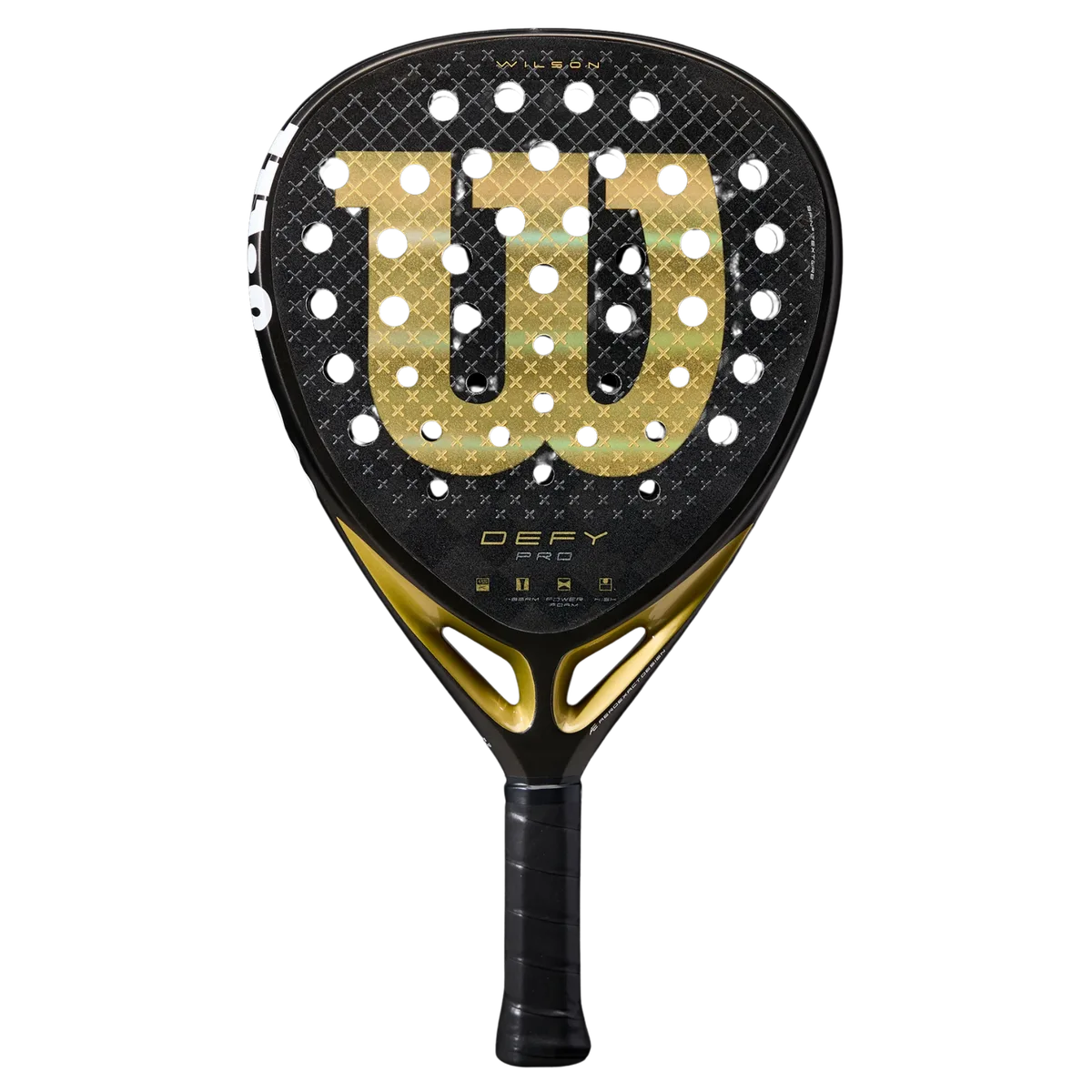
Best modern power-control blend
Wilson Defy Pro V1 Padel Racket
A crisp, premium Wilson that gives strong players attacking confidence with better transition play than many pure diamonds.
- Review
- 8.9/10
- Price
- $379.00
- Best for
- Advanced Wilson players who want a more modern attacking frame
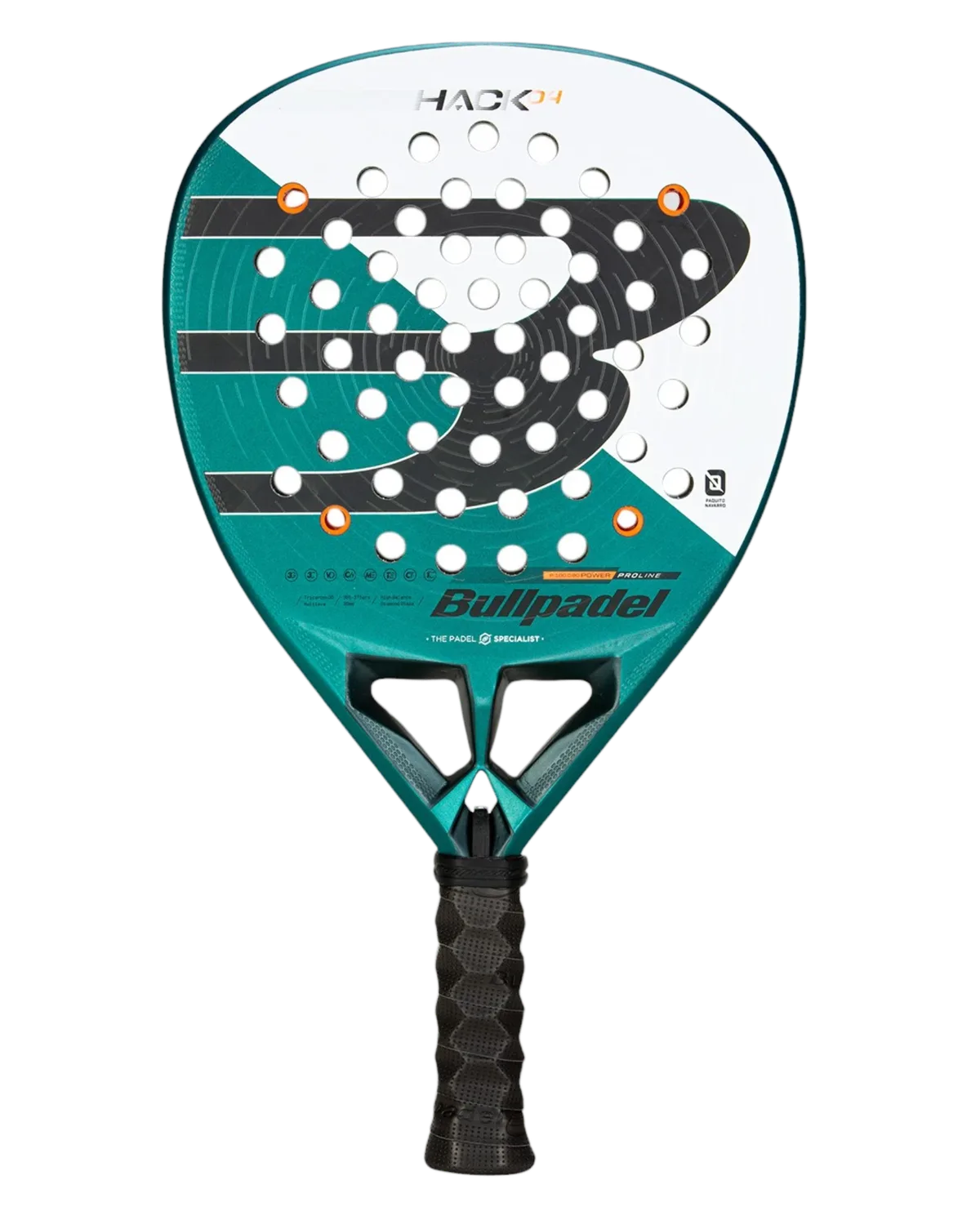
Most explosive advanced racket
Bullpadel Hack 04 Paquito Navarro 2025
A demanding, high-balance power racket that feels incredible when your timing is clean and unforgiving when it is not.
- Review
- 8.8/10
- Price
- $219.00
- Best for
- Advanced attackers who want maximum ball speed
Related Guides and Tools
Next step
best padel racket for control
Use this next if you want to turn the guide into a shortlist or a direct product decision.
Next step
Best power rackets
Use this next if you want to turn the guide into a shortlist or a direct product decision.
Next step
Foam guide
Use this next if you want to turn the guide into a shortlist or a direct product decision.
Carbon vs fiberglass padel rackets FAQ
Is carbon better than fiberglass for padel?
Carbon is not automatically better. It is usually firmer and more precise, while fiberglass is usually softer and easier for newer players. The right choice depends on your contact quality, comfort needs, and how the full racket is built, not the material name alone.
Should beginners avoid carbon padel rackets?
Not always, but beginners should avoid very firm carbon builds if comfort, forgiveness, and easy depth are still priorities. A soft-carbon or hybrid face paired with medium foam can be beginner-friendly, while stiff 18K carbon with hard foam usually is not.
What does 12K or 18K carbon mean on a padel racket?
The K number is how many filaments sit in each carbon bundle, which changes the weave pattern and often the firmness. Lower counts like 3K can feel slightly softer, while 12K and 18K tend to feel firmer, but the layup and number of layers matter more than the headline number.
Does fiberglass or carbon last longer?
Durability depends more on care than material. Carbon faces can crack from frame mishits or heat, while fiberglass flexes and may soften faster with heavy use. Keep any racket out of hot car trunks and off the court cage and both will last longer.
Is a hybrid face a good middle ground?
Yes, hybrid faces are designed for improving players who want more control than fiberglass but more comfort than stiff carbon. The exact feel still depends on the shape, balance, and foam, so try to demo before you commit.
Will a carbon racket give me more power automatically?
No. Carbon gives a firmer, more direct response, but power comes mostly from shape, balance, weight, and your swing. A high-balance frame with medium foam can feel more powerful than a stiff carbon control racket.