Padel overgrip comparison
| Grip type | Best for | Watch out for |
|---|---|---|
| Tacky overgrip | Players who want a sticky, connected handle feel | Can feel slippery once dirty or worn |
| Absorbent overgrip | Sweaty hands and hot sessions | May feel less sticky at first touch |
| Hybrid overgrip | Players who want tack plus some sweat control | Feel varies a lot between brands |
| Bulk pack | Weekly players | Only buy bulk after you know you like the feel |
| Grip spray | Late-session sweat management | Does not replace worn overgrips |
Tacky vs absorbent vs hybrid: what actually changes
Overgrips split into three broad families. Tacky grips have a slightly sticky surface that makes the handle feel glued to your palm, which is great for a connected touch on the volley and for players who do not sweat much. Absorbent (or dry-feel) grips have a more textured, cushioned surface that soaks up moisture, so they stay reliable when your hand gets wet. Hybrid grips try to split the difference with a tacky top layer and a more absorbent backing.
Most overgrips run about 0.5–0.75 mm thick. Tacky wraps tend to sit at the thinner, firmer end for a raw connected feel, while comfort and absorbent wraps are often a touch thicker and softer. There is no universal best: the right pick depends on how much your hand sweats, the climate you play in, and whether you like a firm or cushioned handle. If sweat is your main issue, see our sweaty hands grip guide for setups built specifically around that problem.
- Dry hands and cool courts: start tacky.
- Sweaty hands or hot outdoor play: start absorbent.
- Want both tack and sweat control: try a hybrid.
- Feel the handle is harsh: try a softer cushion grip.
| Type | Surface feel | Sweat handling | Best climate/player |
|---|---|---|---|
| Tacky | Sticky, connected | Fades once wet or dirty | Dry hands, indoor or cool courts |
| Absorbent (dry) | Textured, cushioned | Stays reliable when wet | Sweaty hands, hot US summers |
| Hybrid | Tacky top, drier backing | Moderate | Players who sweat some but want tack |
| Perforated/cushion | Soft, slightly thick | Good, channels moisture | Comfort seekers, arm-sensitive hands |
How to wrap an overgrip correctly
A clean wrap is half the battle. Start at the bottom edge of the handle, peel the backing, and anchor the tapered end with the finishing tape or your thumb. Wrap upward toward the throat at a slight angle, keeping steady tension so the grip lies flat with no wrinkles.
Aim for a consistent overlap of roughly 1–2 mm on each turn. Too much overlap builds the handle up fast and wastes length; too little leaves gaps that expose the base grip and create ridges you will feel through your fingers. Finish just below the throat, cut off any excess at an angle, and seal it with the supplied finishing tape.
Right-handers usually wrap counter-clockwise (viewed from the butt) and left-handers clockwise, so the seam follows the natural direction your fingers pull. If the leading edge lifts during play, you wrapped it the wrong way for your hand.
Layers, handle size, and elbow comfort
Each overgrip adds roughly 0.5–0.75 mm all around the handle, which is a meaningful jump in circumference. One overgrip over the stock grip is standard. A second layer builds the handle up for players with larger hands or anyone who feels they are choking a too-thin handle.
Handle size interacts with arm comfort. A handle that is too small makes many players over-squeeze to keep it from twisting, and that constant tension can travel into the forearm. Building the handle up slightly can calm the grip pressure. But go too far and you lose wrist snap and touch, and the handle can feel clubby on quick volley exchanges. If your arm already feels sore, read our tennis elbow gear guide before you change grip size.
If you want a bigger handle without stacking three overgrips, add a thin heat-shrink sleeve or a base grip build-up first, then top it with a single fresh overgrip so the surface feel stays crisp.
- Stock grip + one overgrip: the default for most players.
- Two overgrips: larger hands or a handle that feels too thin.
- More than two: usually better solved with a base build-up.
- Never sacrifice a secure feel just to chase softness.
Replace before the handle feels bad
Most players wait too long. If the grip looks polished, smells old, or makes you squeeze harder, replace it.
A fresh grip helps touch because your hand can stay calmer. That matters on lobs, blocks, and soft volleys. A tacky grip usually loses its sticky top layer first; an absorbent grip fails when it stops pulling moisture and starts feeling slick between the fingers.
- Carry one spare overgrip at minimum.
- Use bulk packs once you play weekly.
- Try a grip aid only if sweat is the specific issue.
| Play/sweat profile | Typical grip life | Signs it is done |
|---|---|---|
| Low sweat, 1x/week | 3–5 weeks | Shiny surface, tack gone |
| Average, 2–3x/week | 1–2 weeks | Slick after warmup, darkened wrap |
| Heavy sweat / hot climate | 1–3 sessions | Wet feel, twisting handle mid-match |
| Tournament weekend | Per day | Fresh wrap each match day |
Undergrip vs overgrip: know the difference
The base grip (or undergrip) is the thicker cushioned wrap the racket ships with, glued or taped to the raw handle. It sets the fundamental feel and shape and is meant to last a long time. The overgrip is the thin, cheap, replaceable layer you put on top and change often.
Do not strip the base grip to save weight unless it is genuinely worn out; it provides cushioning that raw plastic cannot. When you replace a base grip you change the handle's core feel and size, so match the thickness of the old one if you liked the racket's stock feel.
Grip size and comfort
A handle that is too small or slippery can make players over-squeeze. That does not diagnose arm pain, but it can make comfort harder. If your arm is sensitive, grip setup belongs on the checklist.
Think of the grip as the cheapest tuning tool you own. Before you spend on a new racket to fix a twisting handle or a tense forearm, work through grip type, freshness, and handle size first.
Related Reviews
These are the reviews I would open next if this guide describes the decision you are trying to make.
Tool-tested setup accessory pick
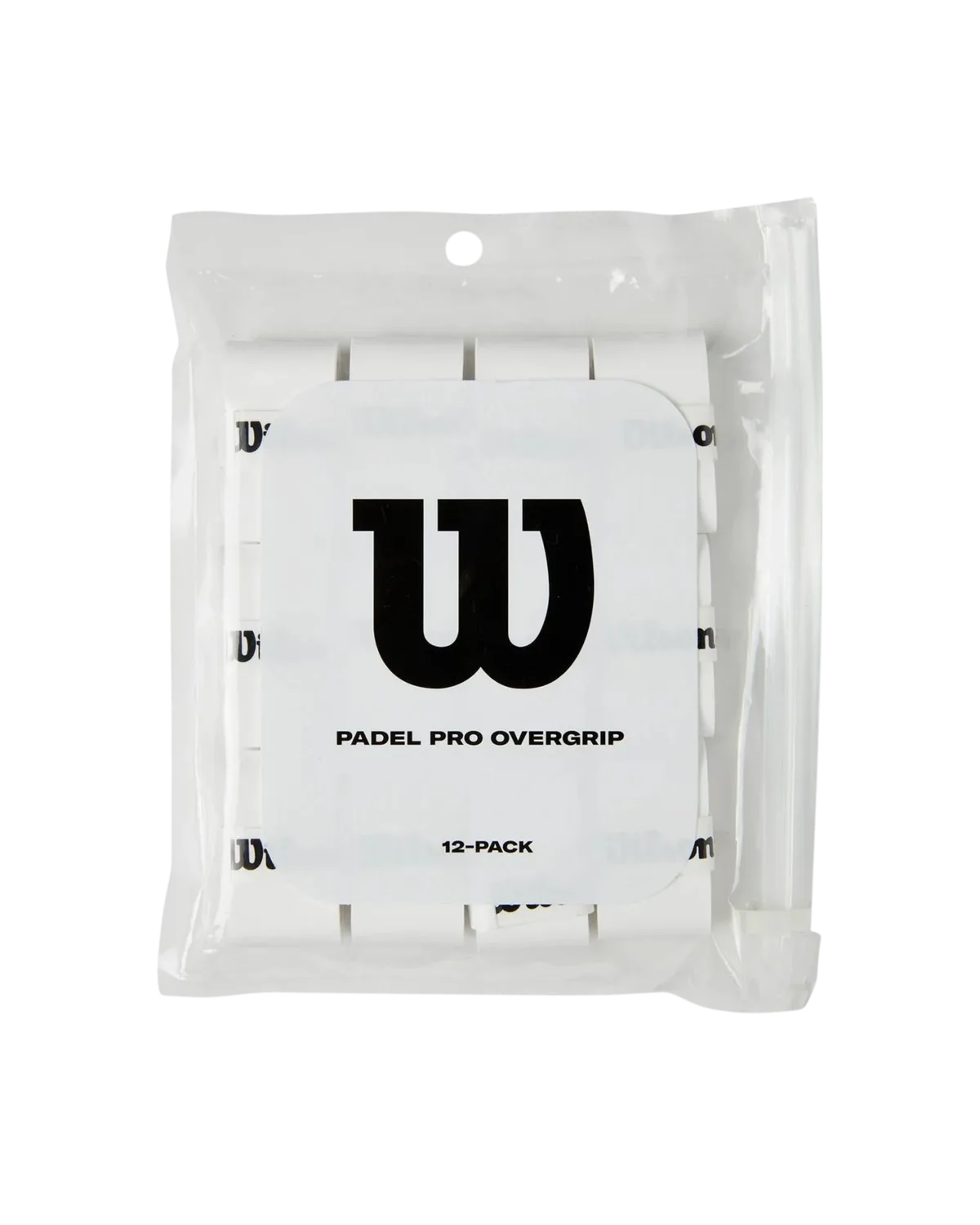
Wilson Pro Padel Overgrip White - 12 pack
A bulk overgrip option for players who expect to play often.
- Review
- 8.2/10
- Price
- $27.00
- Best for
- A bulk overgrip option for players who expect to play often.
Tool-tested setup accessory pick
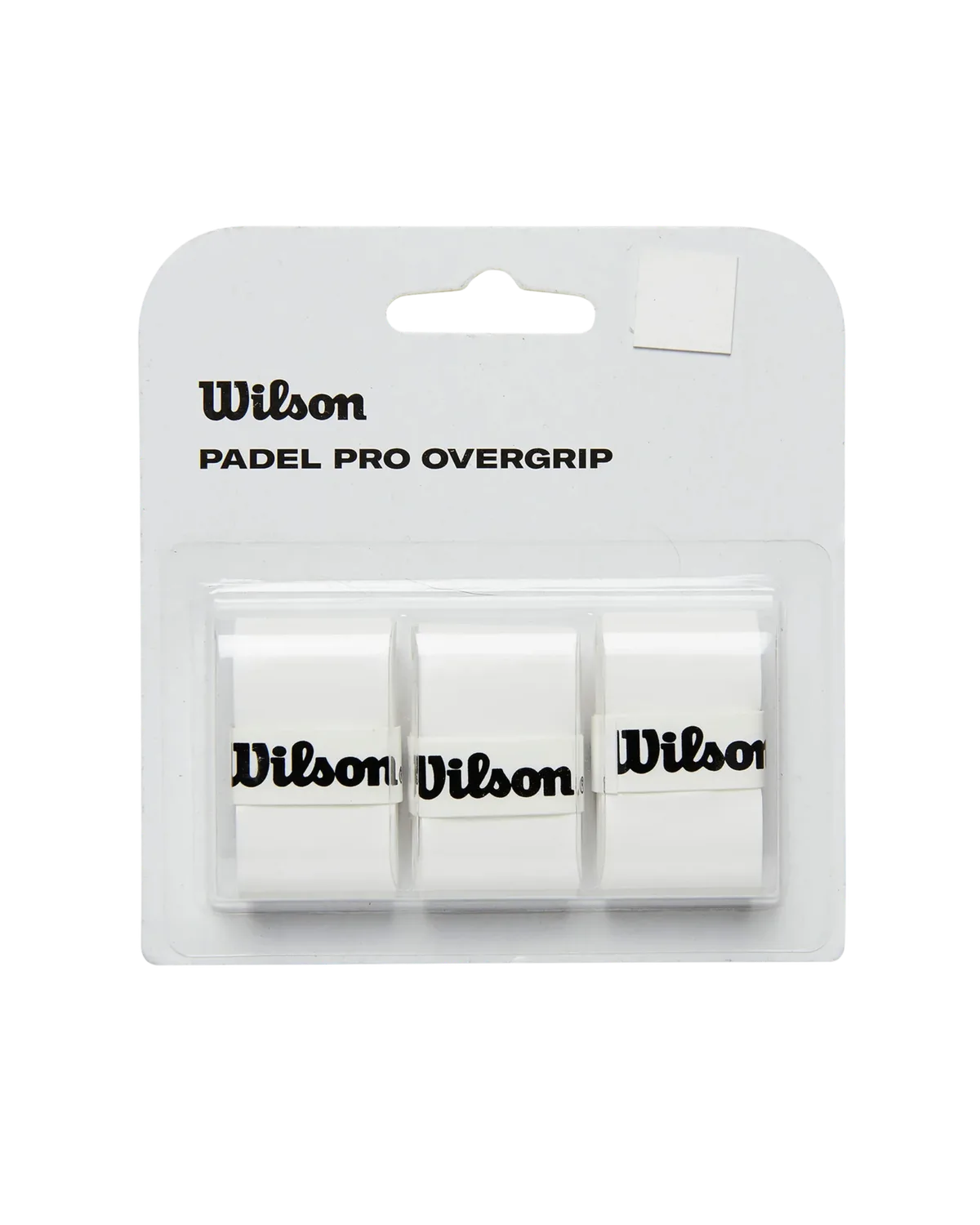
Wilson Pro Overgrip 3pcs Pack WH
A beginner-friendly spare overgrip pack for better tack and a cleaner handle feel.
- Review
- 8.2/10
- Price
- $9.00
- Best for
- A beginner-friendly spare overgrip pack for better tack and a cleaner handle feel.
Tool-tested setup accessory pick
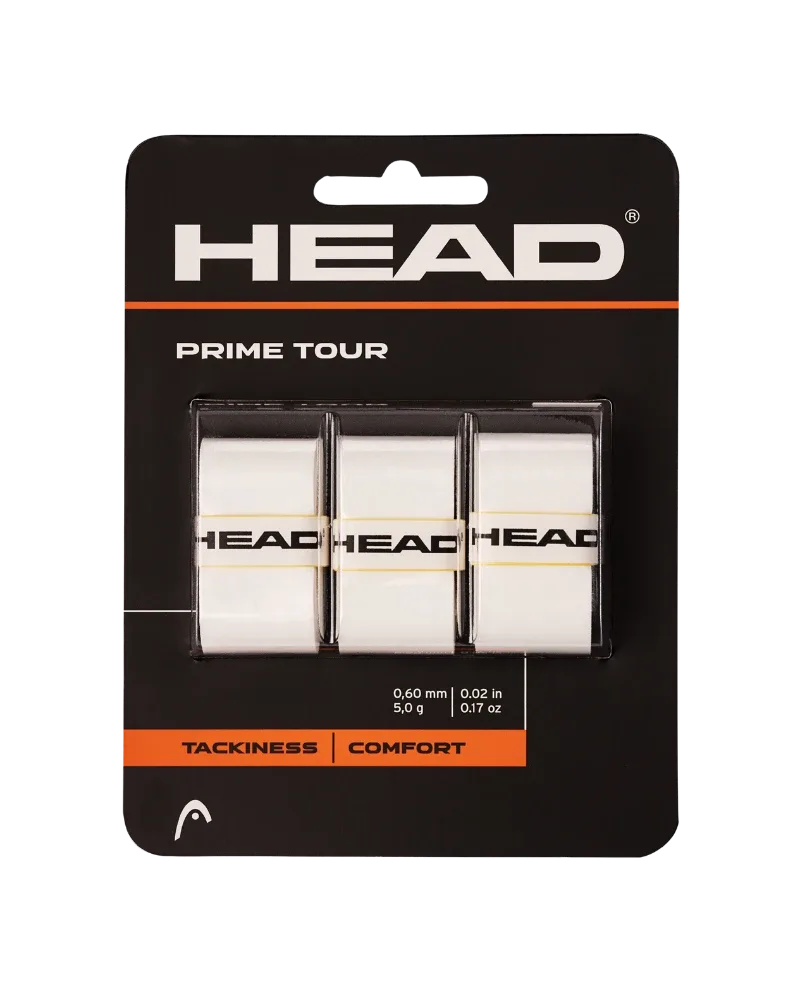
Head Prime Tour 3 pcs Pack
A small spare-overgrip pack for fresh feel without buying a bulk roll.
- Review
- 8.3/10
- Price
- $8.50
- Best for
- A small spare-overgrip pack for fresh feel without buying a bulk roll.
Related Guides and Tools
Next step
Best padel overgrips
Use this next if you want to turn the guide into a shortlist or a direct product decision.
Next step
Sweaty hands grip guide
Use this next if you want to turn the guide into a shortlist or a direct product decision.
Next step
Grip comfort guide
Use this next if you want to turn the guide into a shortlist or a direct product decision.
Next step
Best tacky padel overgrips
Use this next if you want to turn the guide into a shortlist or a direct product decision.
Next step
Best comfort padel overgrips
Use this next if you want to turn the guide into a shortlist or a direct product decision.
Next step
Tennis elbow gear guide
Use this next if you want to turn the guide into a shortlist or a direct product decision.
Next step
Best padel accessories
Use this next if you want to turn the guide into a shortlist or a direct product decision.
Padel overgrip guide FAQ
What overgrip is best for padel?
The best padel overgrip is the one that keeps your hand secure without making you squeeze. Tacky grips suit many players and dry hands, while absorbent grips help sweaty hands and hot outdoor courts. Try both before buying a bulk pack.
How often should I replace a padel overgrip?
It depends on how much you sweat. Low-sweat players who play once a week can get 3–5 weeks from a grip, average players 1–2 weeks, and heavy sweaters as little as one to three sessions. Replace it once it feels shiny, slick, or twists in your hand.
How many overgrips should I put on a padel racket?
Most players use one overgrip over the stock base grip. Add a second layer if the handle feels too thin or you have larger hands, but avoid stacking more than two, since extra bulk reduces feel and wrist snap.
What is the difference between an undergrip and an overgrip?
The undergrip (base grip) is the thicker cushioned wrap the racket ships with and sets the core feel. The overgrip is the thin, cheap, replaceable layer you wrap on top and change often. Keep the base grip unless it is worn out.
Do tacky or absorbent overgrips last longer?
Neither lasts dramatically longer; they fail differently. Tacky grips lose their sticky surface first, while absorbent grips stop pulling moisture and start feeling slick. Both should be replaced when they can no longer keep the handle secure.
Can overgrips help arm comfort?
A better grip setup can reduce slipping and over-squeezing for some players, and building the handle up slightly can calm grip pressure. But it cannot diagnose or cure arm pain, and persistent pain needs qualified help.