Padel racket shapes at a glance
| Shape | Typical strength | Best for | Main trade-off |
|---|---|---|---|
| Round | Control and forgiveness | Beginners, defenders, right-side players | Less free overhead power |
| Teardrop | Balanced all-court play | Improving intermediates | Can feel vague if the foam is too soft |
| Diamond | High-balance attacking power | Advanced left-side attackers | Smaller margin on late contact |
| Hybrid | Power with more practical control | Versatile attackers | Less specialized than pure shapes |
How shape changes the sweet spot
A round racket usually places the sweet spot closer to the hand, roughly in the lower-middle of the face. That makes blocks, lobs, and late defensive balls easier because the racket does not punish every contact mistake. For more on how that forgiving zone works, see our sweet spot guide.
A diamond racket usually moves the sweet spot higher, toward the top third of the face. That gives more leverage overhead, but it also asks you to meet the ball earlier and cleaner. Teardrop sits in the middle, which is why it works as a do-everything shape for players who are still finding their game.
The size of that forgiving zone matters as much as its location. Round faces spread the effective sweet spot over a wider area, so an off-center hit still travels. On a diamond, the same off-center hit dies or sprays because the mass and stiffness are concentrated up top.
- Choose round if your misses happen late or low.
- Choose teardrop if you want one racket for defense, volleys, and finishing chances.
- Choose diamond if you already create overhead chances and want more weight behind them.
Sweet spot location by shape
Here is how I describe the trade-off to players demoing three rackets side by side. The higher the sweet spot climbs, the more power is on offer and the smaller your margin becomes on rushed contact.
| Shape | Sweet spot location | Forgiveness zone | Overhead power potential |
|---|---|---|---|
| Round | Low-center, near the throat | Largest | Modest |
| Teardrop | Center of the face | Medium-large | Medium-high |
| Diamond | Upper third of the face | Smallest | Highest |
| Hybrid | Center to upper-center | Medium | High |
Shape and balance are a package deal
Shape and balance almost always travel together. Round rackets are usually built low-balance (around 255-265 mm from the butt), which is why they feel quick and arm-friendly. Diamonds are usually high-balance (around 270-280 mm), which stacks head weight on top of an already tip-heavy sweet spot and makes the racket feel much more demanding than the scale number suggests. Read our balance guide for how to measure and tune that spec yourself.
This is why two 365 g rackets can feel a world apart. A round low-balance 365 arrives on time at net; a diamond high-balance 365 lags on fast volleys but crushes the overhead you set up properly. Read shape and balance as one decision, not two.
Foam and face material sit underneath both. A soft-EVA round racket is the most beginner-friendly combination on the market, while a hard-EVA diamond with a stiff carbon face is the most punishing. Most of the market lives sensibly in between. See our soft vs hard foam guide for how that spec fits into the picture.
- Round + low balance + soft foam = maximum forgiveness and comfort.
- Teardrop + medium balance + medium foam = the safest all-court starting point.
- Diamond + high balance + hard foam = maximum power, smallest margin.
Match shape to court side and role
In doubles, your side of the court nudges your shape choice. Right-side (deuce) players handle more defense, first balls, and controlled setups, so round and teardrop shapes reward them. Left-side (advantage) players finish more points off the smash, which is where a teardrop or diamond earns its keep.
None of this is a rule you must obey. A left-side player who defends beautifully but frames overheads should not force a diamond just because of position. Pick the shape that makes your most common ball easier, then let your role fine-tune the choice.
| Player profile | Suggested shape | Why |
|---|---|---|
| New player, any side | Round or soft teardrop | Biggest sweet spot while grooving contact |
| Right-side intermediate | Round or teardrop | Control and reliable blocks matter most |
| Left-side intermediate | Teardrop or hybrid | Some overhead pop without losing control |
| Advanced attacker | Diamond or hybrid | Leverage overhead once timing is clean |
Common shape-buying mistakes
The mistake I see most is buying the shape a favorite pro uses. Pros play high-balance diamonds because their footwork puts them under the ball early every time. Copy the racket without the footwork and you inherit all the downside and none of the upside.
The second mistake is judging shape in a two-minute warmup. Diamonds feel powerful and exciting on the first few smashes in the shop. The trade-off only appears in the second set, on a late block from the glass, when the head lags and the small sweet spot bites.
- Do not buy a shape because a pro uses it; match it to your own timing.
- Test defense and late volleys, not just the first warmup smash.
- Do not assume soft foam cancels a demanding diamond shape.
- Ignore looks; a plain round racket can outplay a flashy diamond for you.
How to pick a shape in 5 minutes
When a player is stuck at the wall of rackets, I walk them through a quick self-check. It gets most people to the right two-shape shortlist fast, and the racket finder can settle the rest.
Ask yourself three things: where do my misses happen, how organized is my overhead, and which side do I usually play? Late-and-low misses point round. Clean, early overheads point diamond. Everything in between points teardrop or hybrid.
Then sanity-check with a demo rather than a spec sheet. Borrow a club racket or use a demo program, play a full set, and pay attention to the second-set feel on defense from the glass, not the first exciting smash. If the racket still lets you block, lob, and volley on time when you are tired, the shape fits; if it starts spraying late balls, drop down toward teardrop or round.
Related Reviews
These are the reviews I would open next if this guide describes the decision you are trying to make.
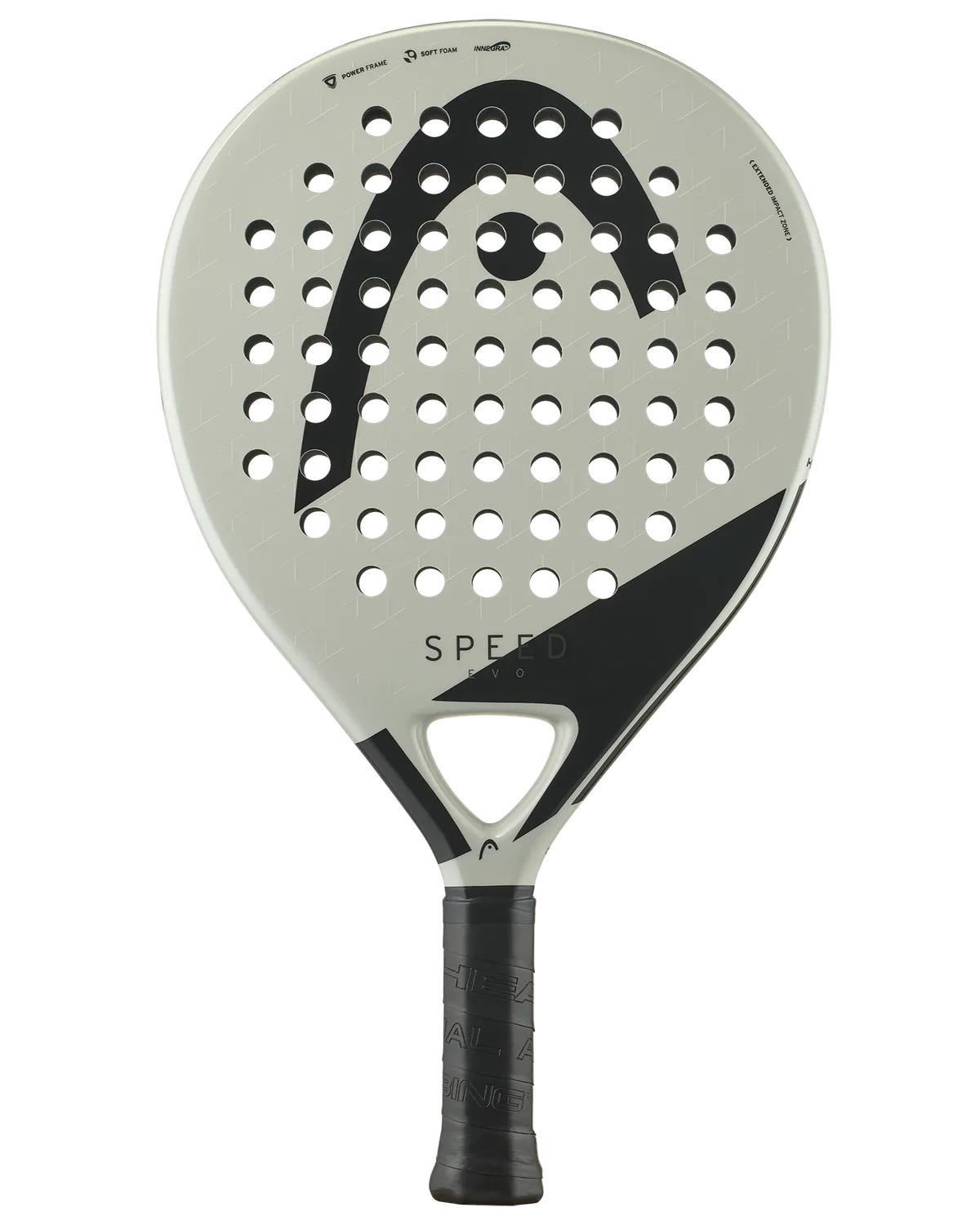
Best beginner value
Head Evo Speed
An affordable, easy-launching racket that helps new players learn padel patterns without punishing every late contact.
- Review
- 8.6/10
- Price
- $99.95
- Best for
- First racket buyers who want a real padel frame under $150
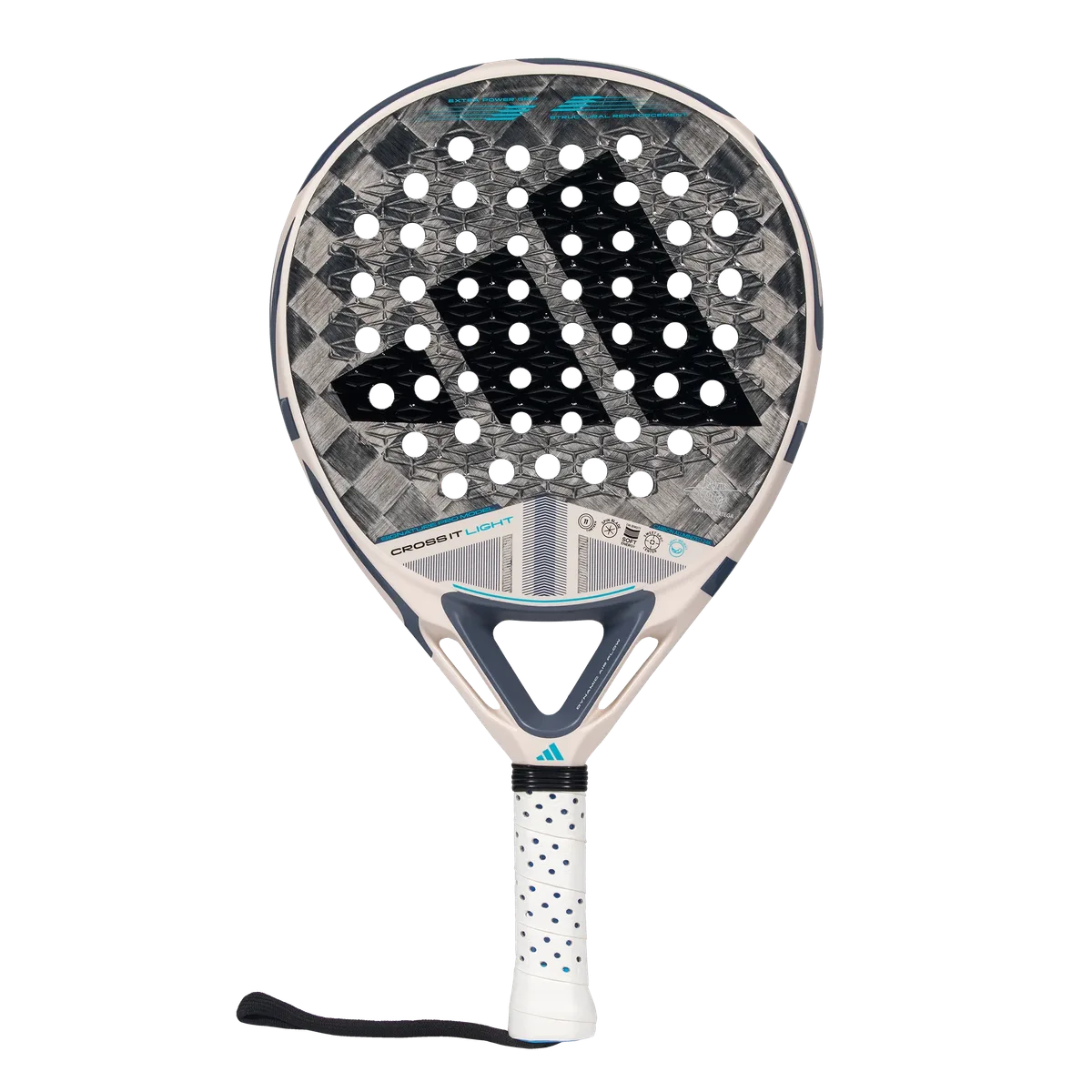
Best lightweight control racket
Adidas Cross It Light 3.4 2025
A fast, precise round racket for players who want advanced touch without fighting the head weight.
- Review
- 9.1/10
- Price
- $288.75
- Best for
- Control players who defend with the glass and reset rallies
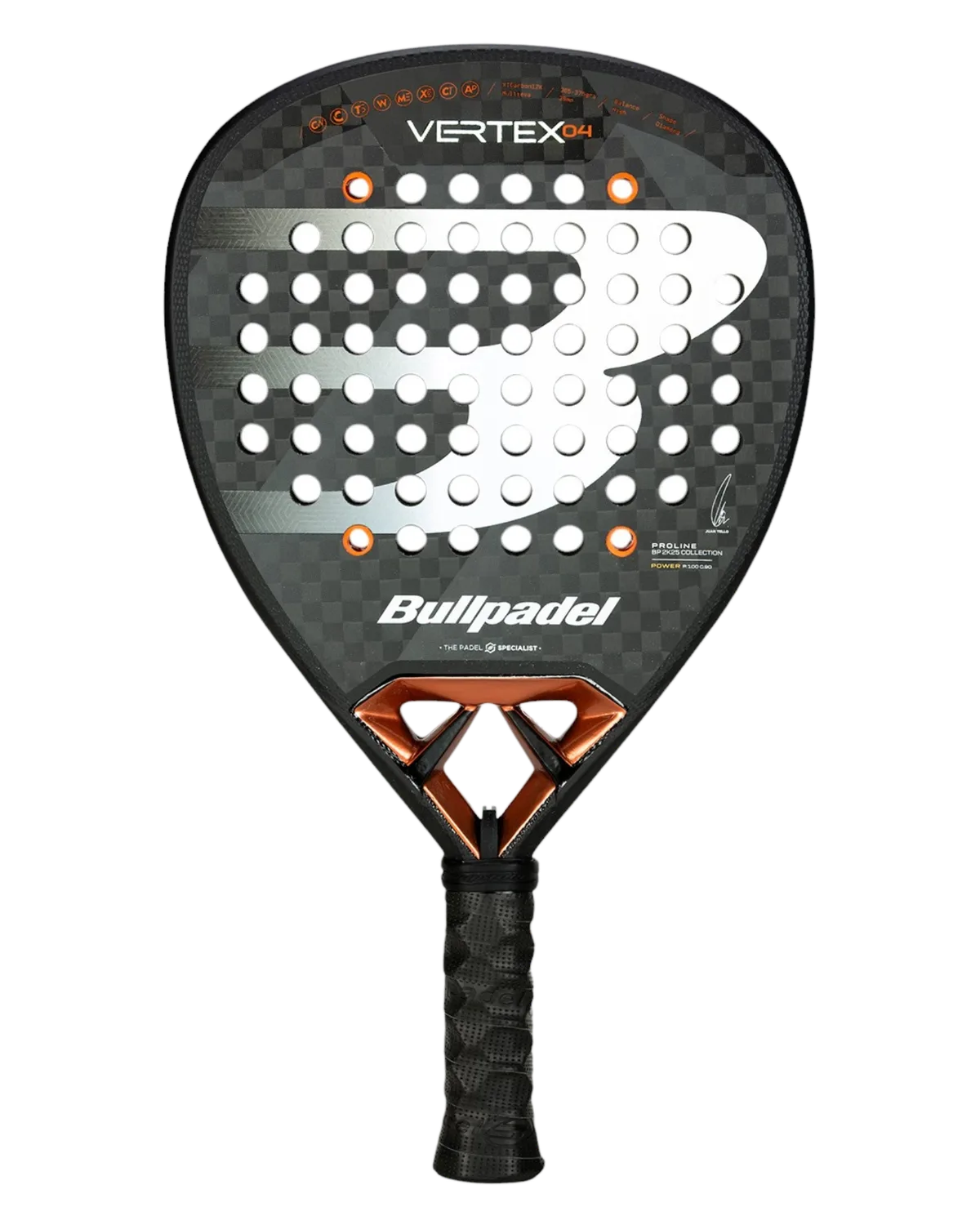
Best attacking racket deal
Bullpadel Vertex 04 Juan Tello
A diamond racket that gives advanced players heavy overheads without feeling as punishing as the raw power label suggests.
- Review
- 9.2/10
- Price
- $239.00
- Best for
- Left-side players who win points with bandejas, viboras, and overhead pressure
Related Guides and Tools
Next step
best padel racket for control
Use this next if you want to turn the guide into a shortlist or a direct product decision.
Next step
Best beginner padel rackets
Use this next if you want to turn the guide into a shortlist or a direct product decision.
Next step
Best power padel rackets
Use this next if you want to turn the guide into a shortlist or a direct product decision.
Next step
Racket finder quiz
Use this next if you want to turn the guide into a shortlist or a direct product decision.
Padel racket shapes explained FAQ
What padel racket shape is best for beginners?
Most beginners should start with a round or forgiving teardrop racket because those shapes place the sweet spot low and central, which makes it easier to find. That larger forgiving zone keeps off-center hits in play while you groove your contact point.
Are diamond padel rackets only for advanced players?
Not strictly, but diamond rackets are more demanding because the balance and sweet spot sit high on the face. They reward players who already get under the ball early with organized footwork, and they punish late or rushed contact, so beginners should compare them carefully first.
Does a teardrop racket give both control and power?
Yes, that balance is the whole point of a teardrop. It sits between round control and diamond power, with a central sweet spot that handles defense, volleys, and finishing chances reasonably well. It is the safest single-racket choice for improving intermediates.
Can soft foam make a diamond racket beginner-friendly?
Soft foam softens the impact feel, but it does not move the high sweet spot or reduce the head-heavy balance. A soft diamond is more comfortable than a hard one, yet it still demands early, clean contact, so it is not a true substitute for a round racket.
What shape should a left-side attacker use?
Left-side players finish more points off the smash, so a teardrop, hybrid, or diamond usually suits them. If your overhead footwork is clean, a diamond gives the most leverage; if it is still developing, a teardrop or hybrid keeps power without sacrificing all your control.
How is a hybrid padel racket shape different?
A hybrid blends teardrop and diamond traits, placing the sweet spot in the center-to-upper area for power with more practical control than a pure diamond. It suits versatile attackers who want overhead pop but still need forgiveness on defense and quick net exchanges.