Padel ball lifespan by use
| Use case | Typical useful life | Open fresh when |
|---|---|---|
| League or tournament match | One match | Points matter or pace needs to be honest |
| Weekly casual group | One to three sessions | Bounce or sound turns dull |
| Drilling basket | Several practice sessions | Rebound becomes inconsistent |
| Beginner hit-around | Until bounce feels flat | Players start swinging harder for normal depth |
The simple dead-ball test
Serve a few normal balls, play a lob, and watch the rebound off the glass. If everything lands short, sounds dull, and comes off the wall weakly, the ball is probably past its best use.
A ball can still be fine for warmup or casual drills after it stops being ideal for a serious match.
- Use fresh balls when comparing rackets.
- Do not judge power with old balls.
- Keep opened balls out of extreme heat when possible.
- Carry a sealed can if you play weekly.
Why ball age changes your racket opinion
Old balls can make a racket feel weak, make lobs die, and make defensive rebounds harder to read. That is why I do not like evaluating a new racket with a tired can.
Fresh balls are a cheap quality-control tool. They make the court, racket, and player feedback much easier to trust.
| Symptom | What it means | Best action |
|---|---|---|
| Dull sound | Pressure and felt response are fading | Open a fresh can for matches |
| Low wall rebound | Ball is no longer giving honest pace | Use old balls for warmup only |
| Inconsistent bounce | Can is no longer reliable | Replace for drills |
| Players overswing | Ball feedback is hiding technique | Use fresher balls |
What actually kills a padel ball
A padel ball dies in two ways at once: the internal pressure slowly leaks out, and the felt wears down against abrasive court sand and glass. Pressure loss is the bigger factor for casual players, because a ball leaks air even sitting in an opened can on a shelf. Hard hitters and heavy topspin players wear the felt faster, and rough outdoor courts sand the surface down quicker than clean indoor turf.
This is why two players can open the same can and get very different mileage. The ball is aging on a clock the moment the can hisses open.
- Pressure leak: happens to every opened ball over days, played or not.
- Felt wear: faster with heavy topspin, hard hitting, and gritty courts.
- Heat cycling: hot trunks and cold garages both shorten life.
- Court sand: outdoor sanded turf scuffs felt faster than indoor courts.
Match balls vs practice balls vs warmup balls
I think of ball life in three stages, not one. A ball is match-fresh for the first session or match, then it becomes a solid practice ball for drills where consistency matters more than premium pace, and finally it becomes a warmup-only ball. Retiring balls down this ladder instead of throwing them out gets the most value from a can.
The mistake is skipping the ladder and playing serious points with a ball that belongs in the warmup bucket.
| Stage | Best use | How it feels |
|---|---|---|
| Match-fresh | League, tournaments, racket testing | Firm, crisp, lively wall rebound |
| Practice-grade | Drills and casual weekly play | Slightly softer but still consistent |
| Warmup-only | Pre-match hitting and rallies | Soft, dull, dies on the glass |
| Retired | Recycle or toss | No spring, flat sound |
How storage stretches ball life
You cannot stop a pressurized ball from aging, but storage slows it. Keep balls at room temperature and out of direct sun, and never leave a can baking in a hot car trunk, which is the fastest way to kill balls before you play them. If you buy in bulk, a ball pressurizer tube re-pressurizes opened balls and keeps them lively for weeks.
For most weekly players the simplest rule wins: buy cans close to when you will use them instead of stockpiling opened ones.
How many cans to keep on hand
Match your supply to your play frequency. A once-a-week player needs one fresh can plus a few warmup balls. A two-to-three-times-a-week player is better with a small rotation so no single can gets overstretched. Competitive players open fresh per match, and coaches run a basket of value practice balls.
Buying for your real routine keeps every session honest without wasting money on cans that go flat on a shelf.
- Once a week: one fresh can plus warmup balls.
- Two to three times a week: two to three cans on rotation.
- Competitive: fresh can per match.
- Coaching or drills: a basket of value practice balls.
Related Reviews
These are the reviews I would open next if this guide describes the decision you are trying to make.
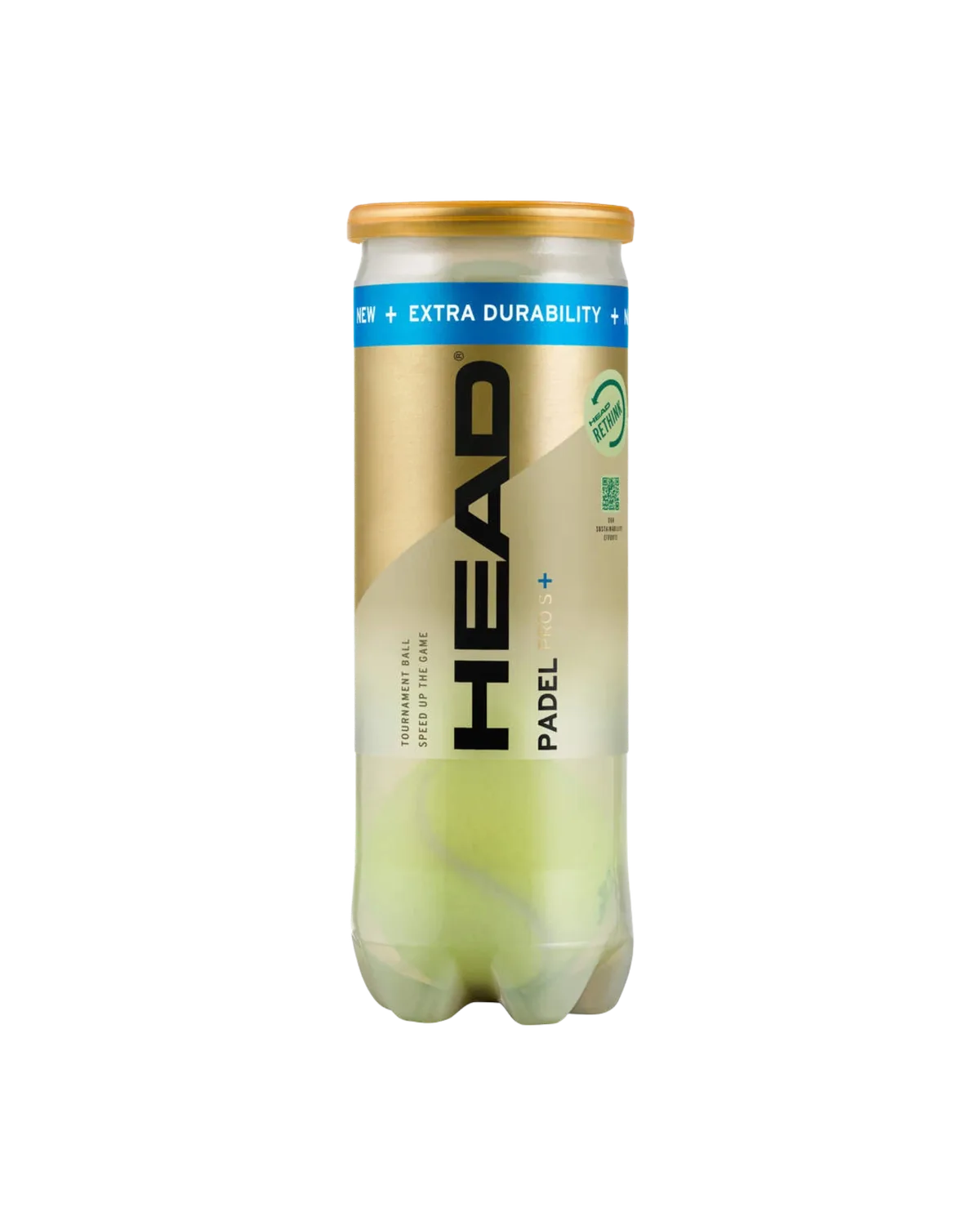
Tool-tested padel ball pick
Head Padel Pro S+ Balls
A livelier ball pick for regular beginner sessions.
- Review
- 8.5/10
- Price
- $7.49
- Best for
- A livelier ball pick for regular beginner sessions.
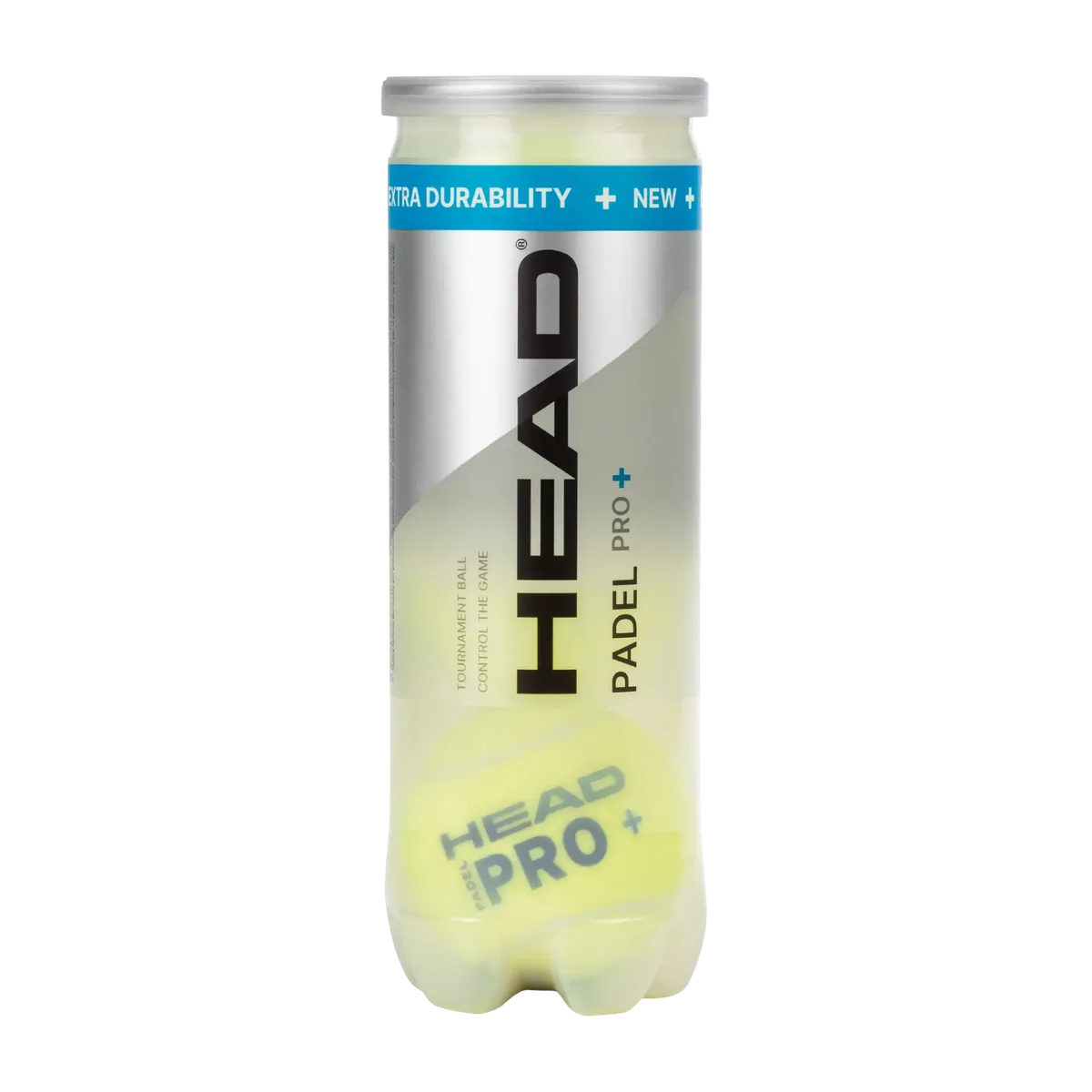
Tool-tested padel ball pick
Head Padel Pro+ Balls
A strong all-around ball choice for practice, clinics, and match play.
- Review
- 8.4/10
- Price
- $7.49
- Best for
- A strong all-around ball choice for practice, clinics, and match play.
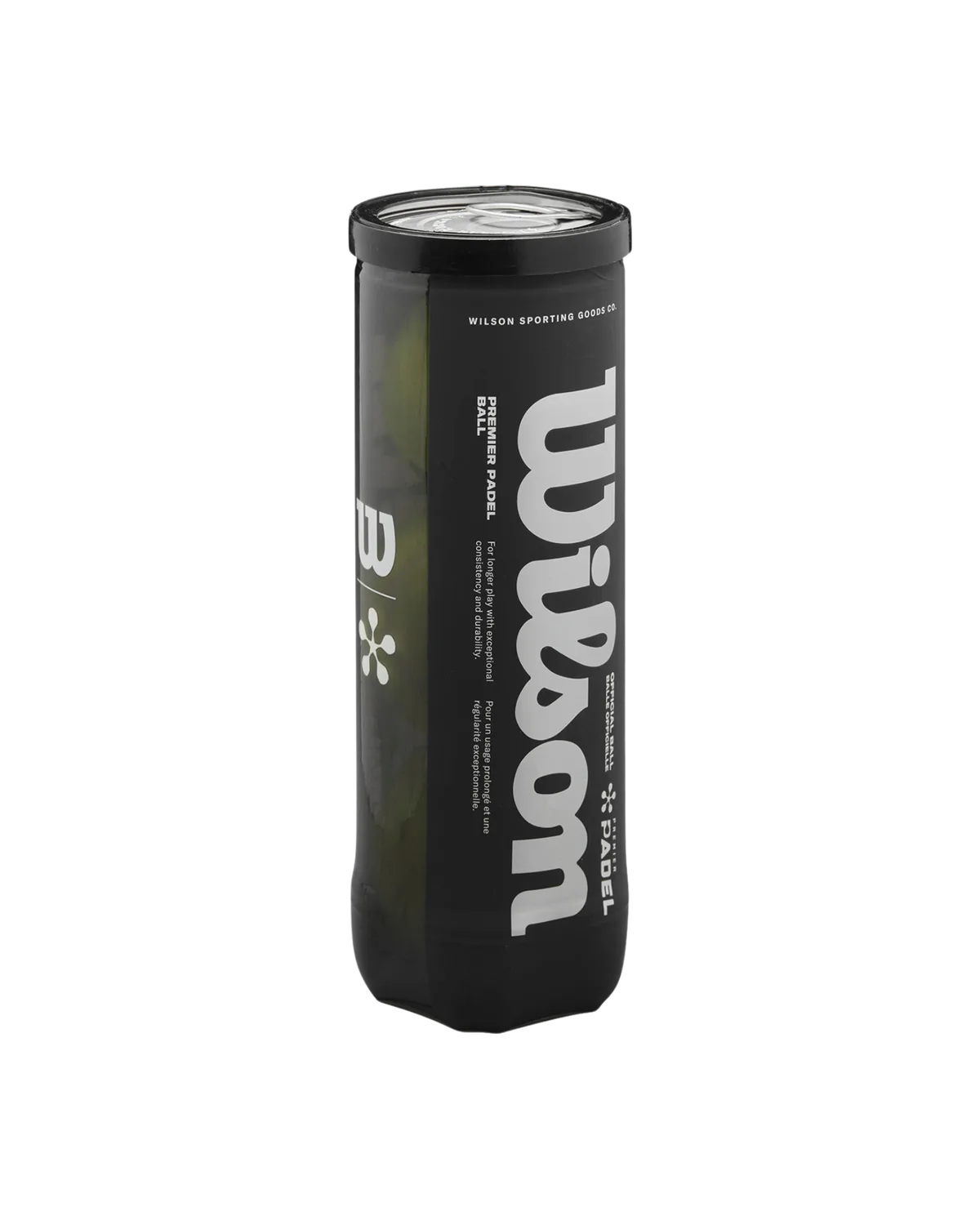
Tool-tested padel ball pick
Wilson Premier Padel Balls
A low-cost can of padel balls for first sessions and casual games.
- Review
- 8.3/10
- Price
- $7.00
- Best for
- A low-cost can of padel balls for first sessions and casual games.
Related Guides and Tools
Next step
Best padel balls
Use this next if you want to turn the guide into a shortlist or a direct product decision.
Next step
Padel balls guide
Use this next if you want to turn the guide into a shortlist or a direct product decision.
Next step
Complete gear checklist
Use this next if you want to turn the guide into a shortlist or a direct product decision.
How long do padel balls last? FAQ
How many matches do padel balls last?
For serious play, padel balls are best for one match. For casual play, one can may last one to three sessions if the bounce and wall rebound still feel consistent.
How do I know when padel balls are dead?
Padel balls are dead when they sound dull, rebound weakly off the glass, bounce inconsistently, or make normal depth require extra force.
Should beginners use fresh padel balls?
Yes. Beginners do not need the most expensive balls, but fresh balls give better feedback and make rallies easier to learn.
Do padel balls go bad in the can?
Sealed cans are pressurized and last for a long time, often a couple of years. Once you crack the can, the balls slowly lose pressure over days and weeks even if you do not play with them.
Does heat ruin padel balls?
Yes. Leaving a can in a hot car trunk or direct sun ages the balls faster and can leave them soft before you ever play. Store balls at room temperature and out of direct sun for the longest useful life.
Can I reuse old padel balls?
Absolutely. Balls that are past match-fresh still work well for warmups, casual rallies, and drills where consistency matters less. Retire them down from matches to practice to warmup instead of throwing them out early.